
Last updated August 27, 2026
Free in-home measure and quote - PGT, CGI and CWS impact lines compared on your actual openings, style by style
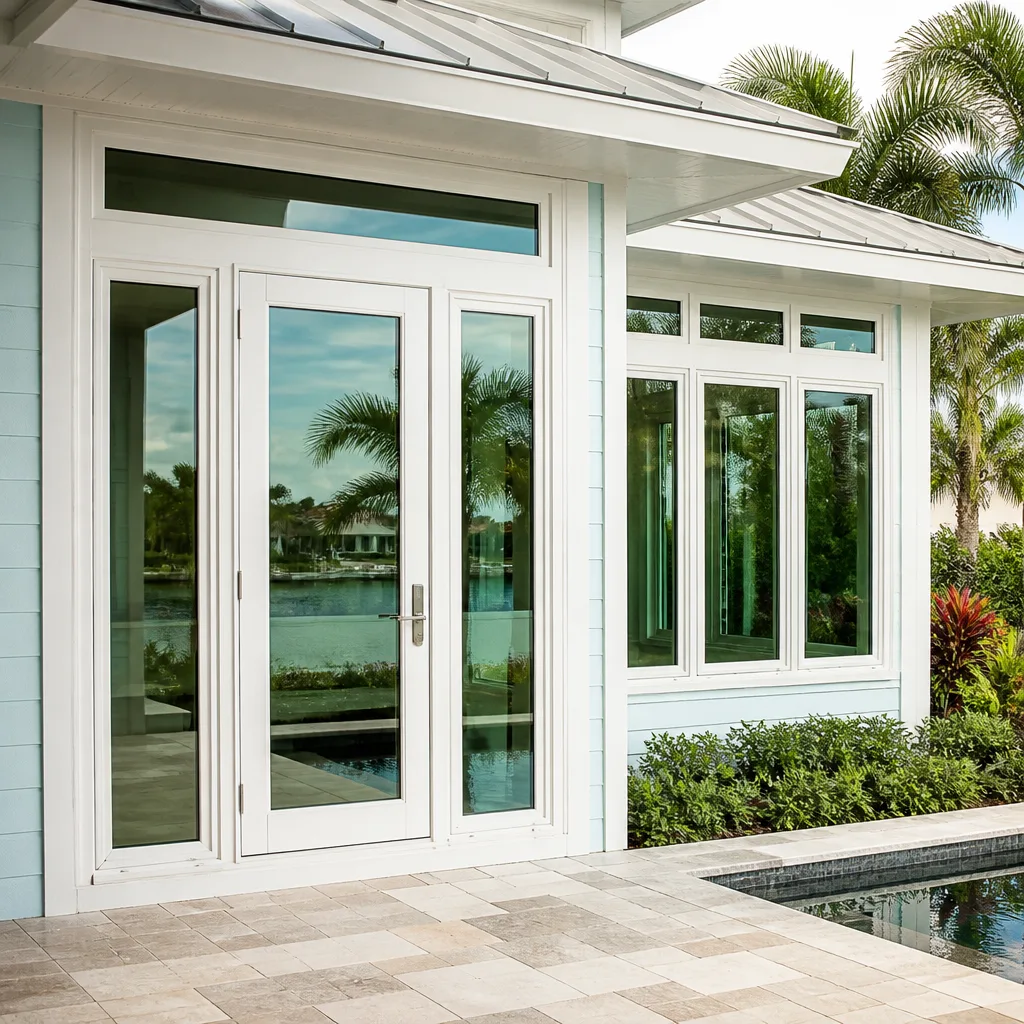
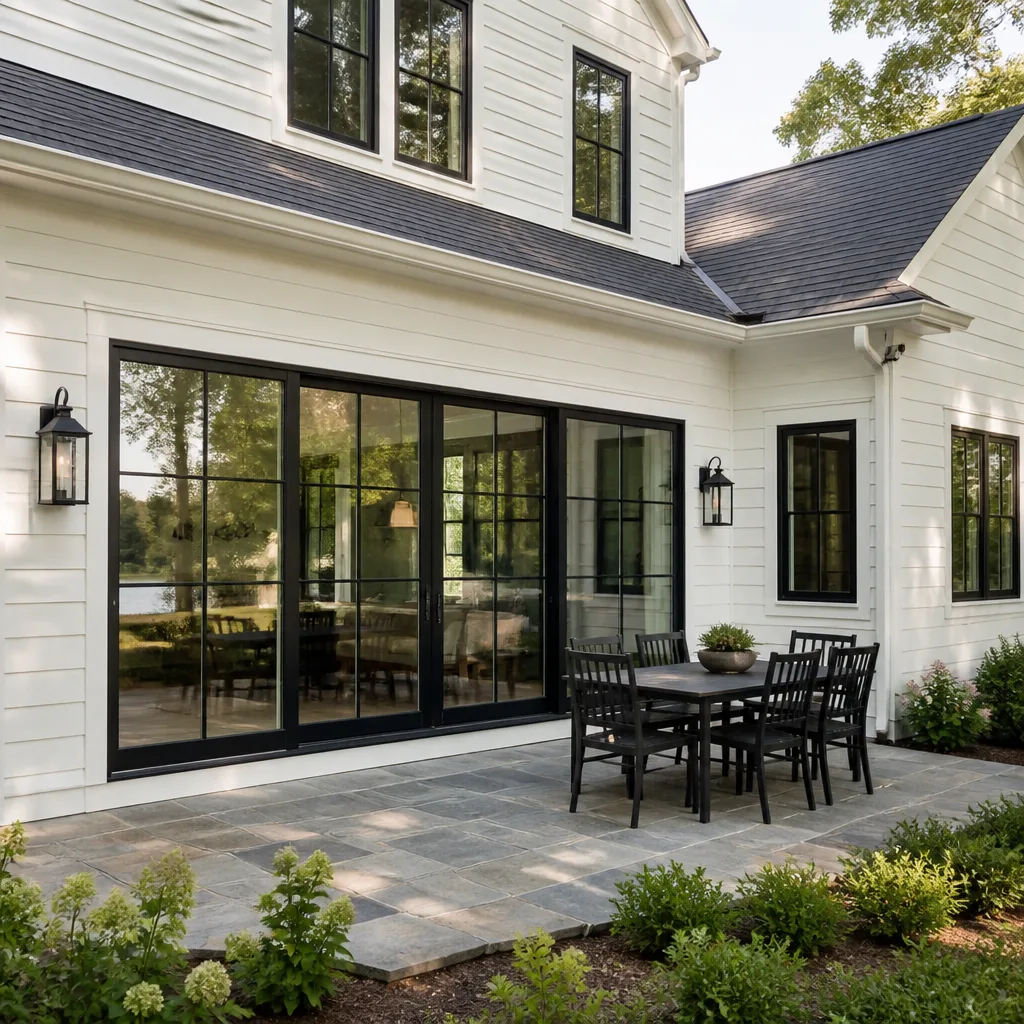
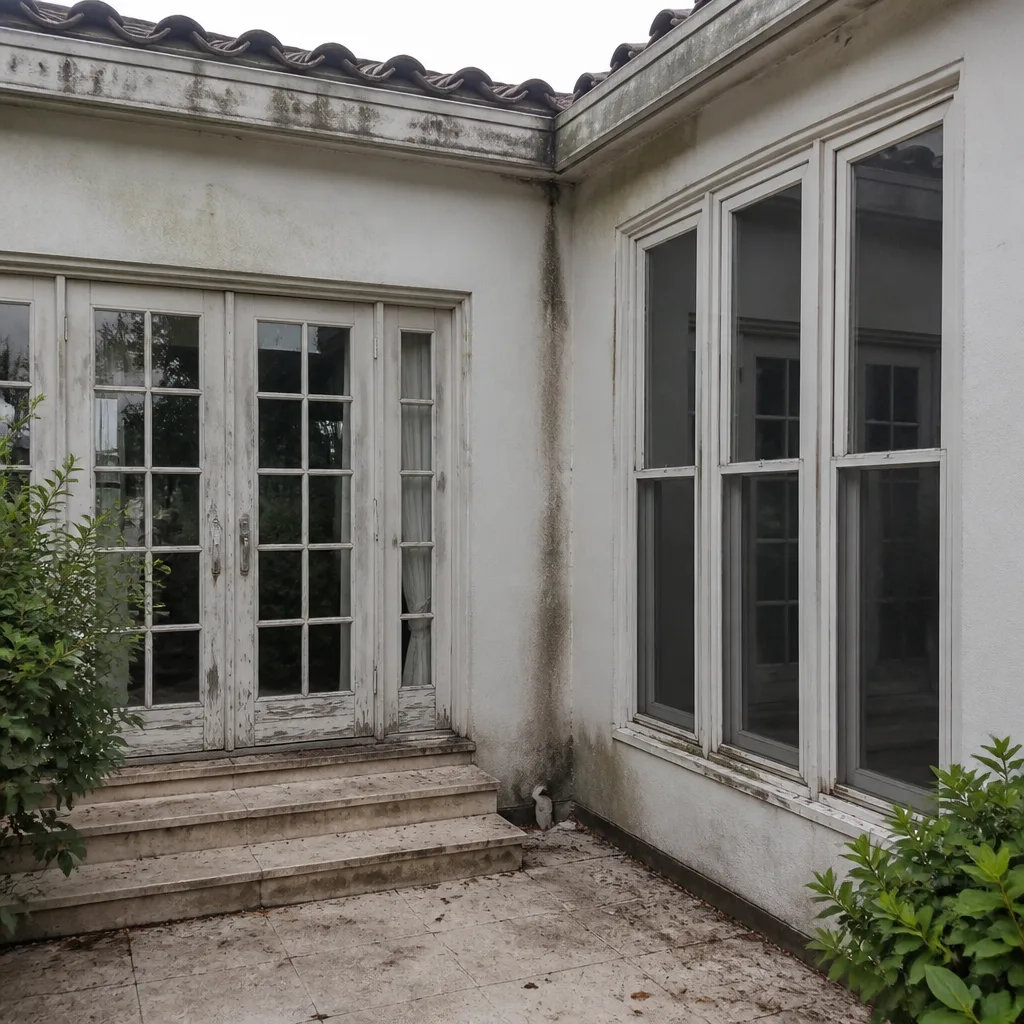 Before
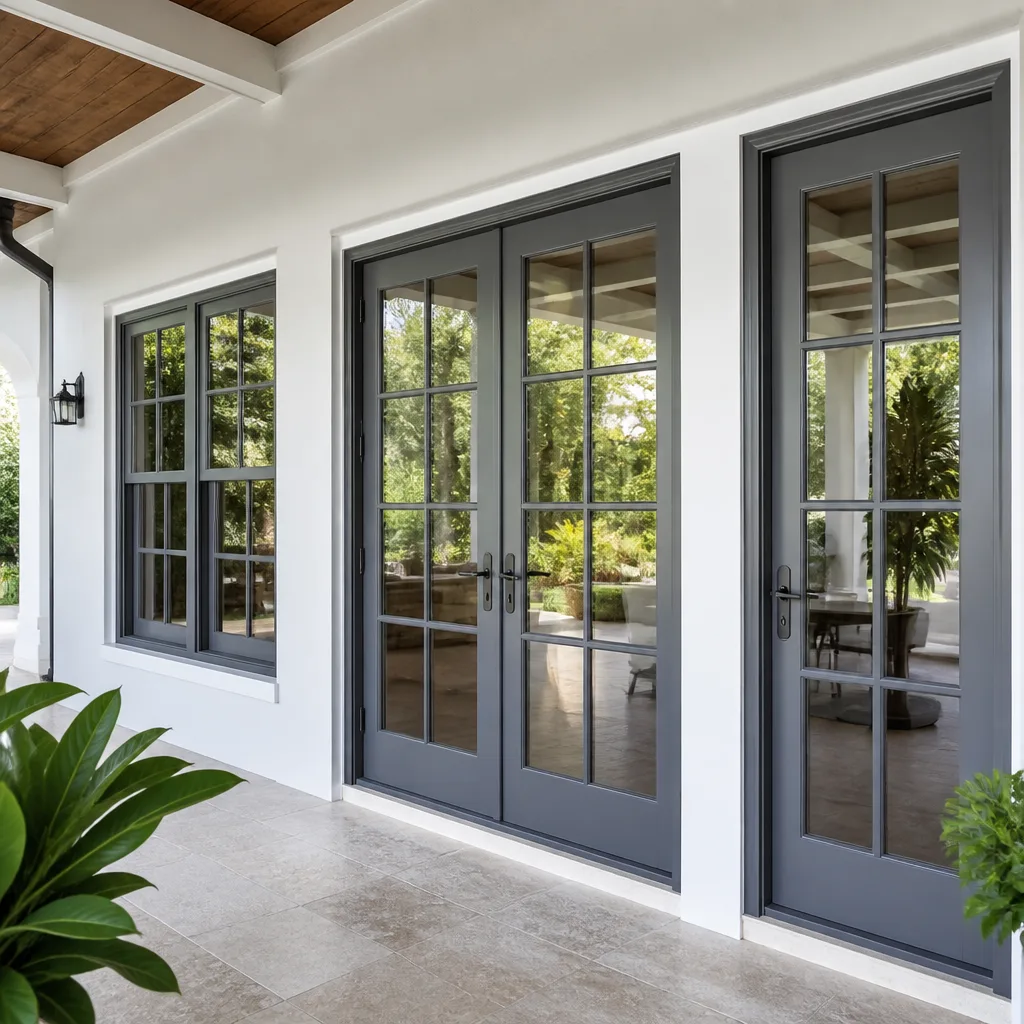 After
After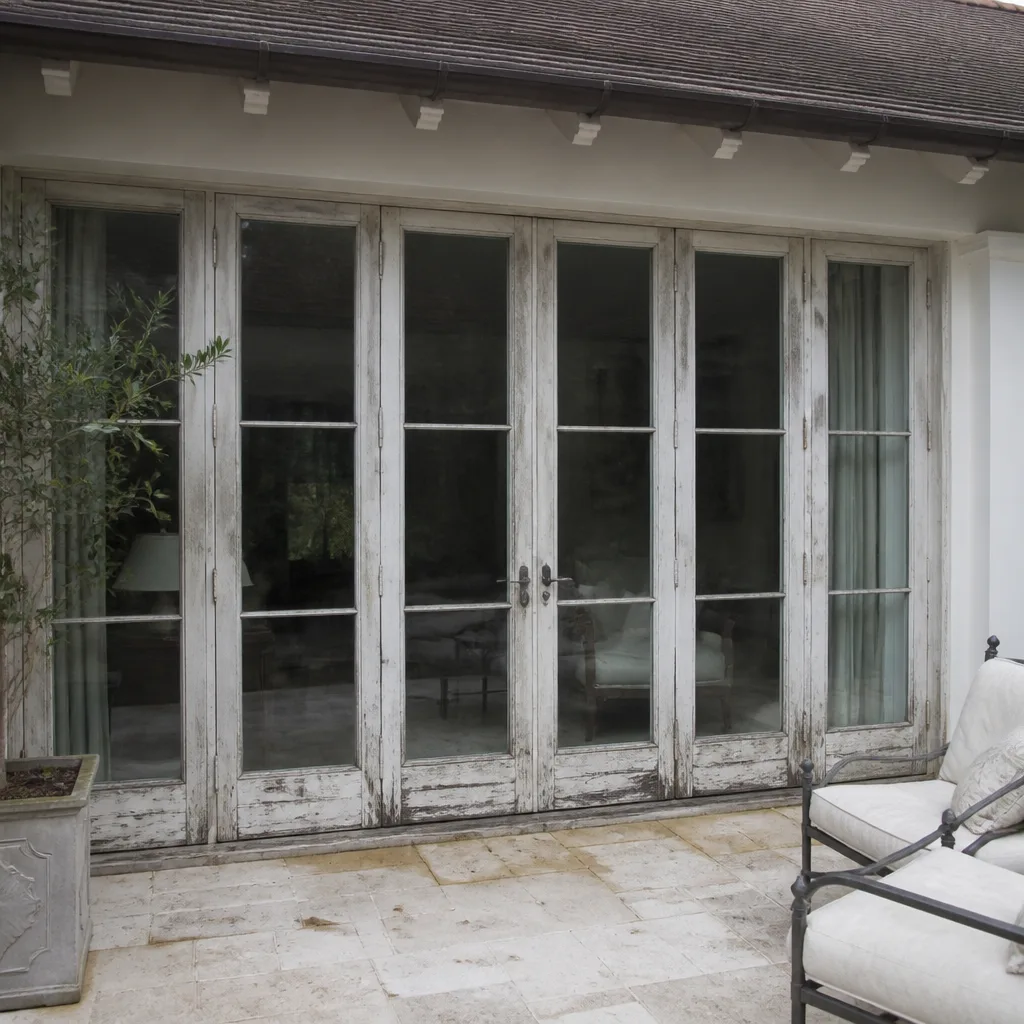 Before
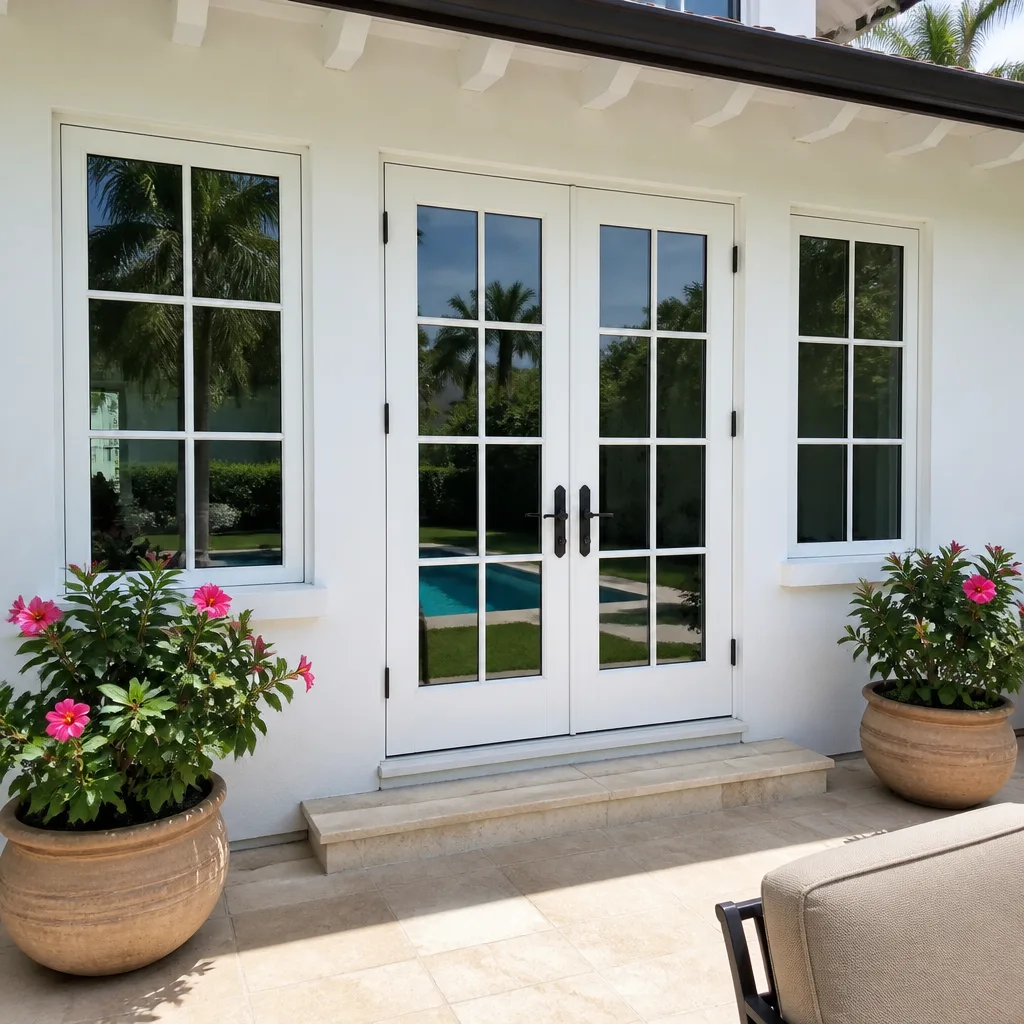 After
After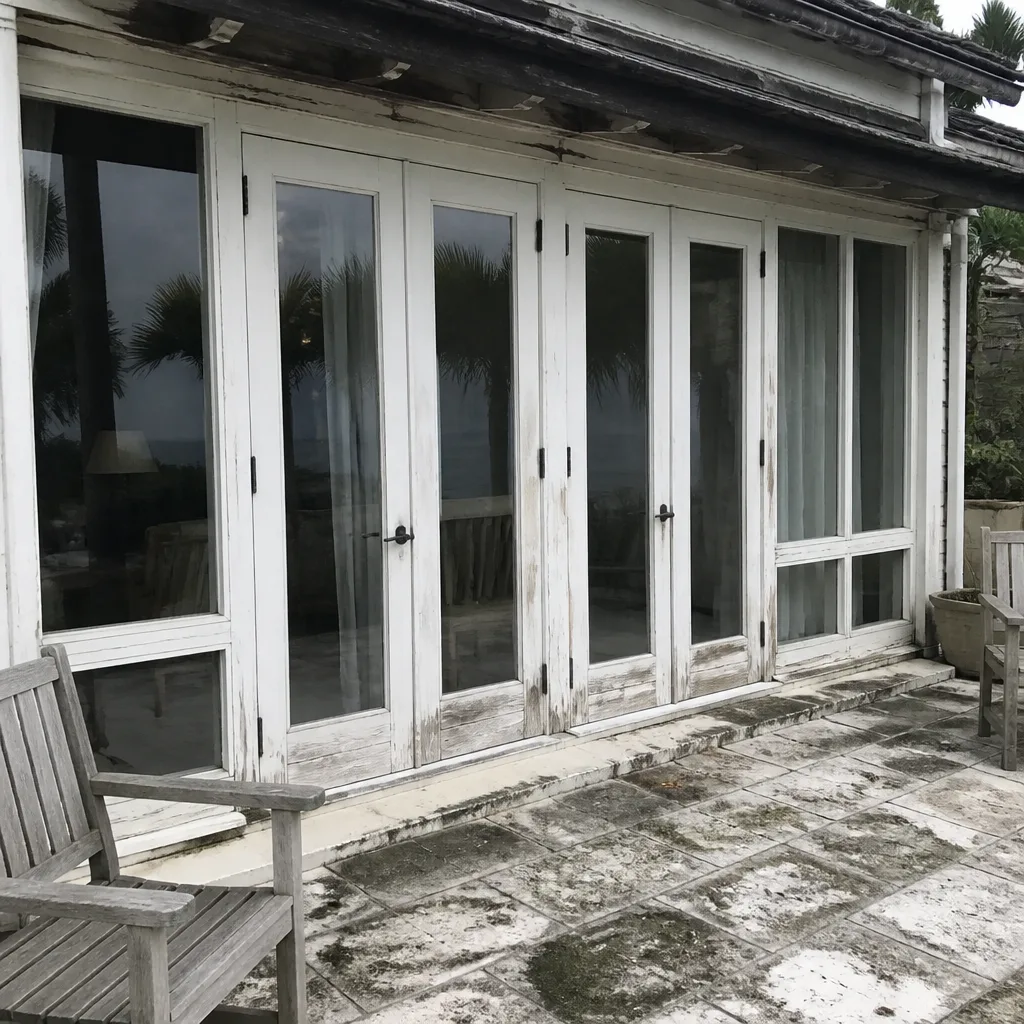 Before
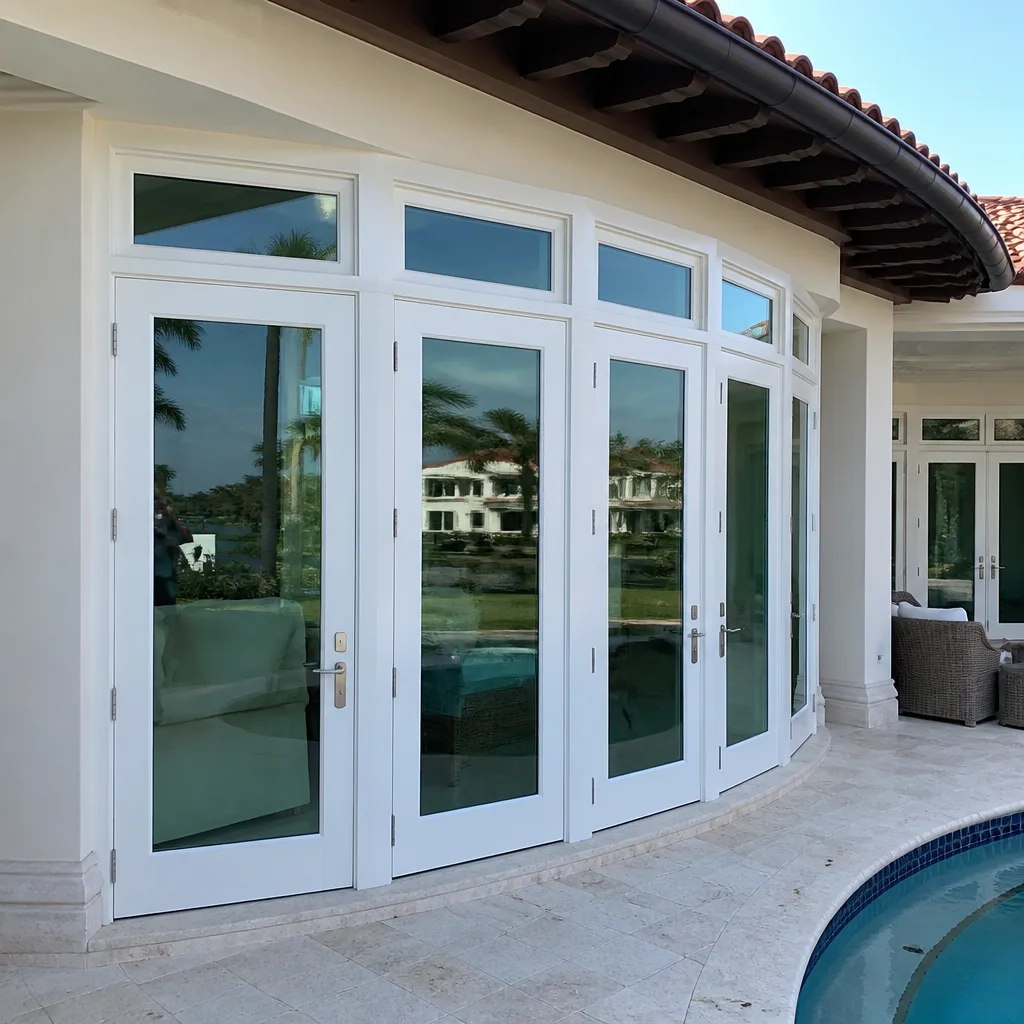 After
AfterWindows & Doors Permits, Codes & Inspections in FL: What You Need to Know
Florida’s building code for windows and doors is among the strictest in the country, written in direct response to Hurricane Andrew’s devastation in 1992 and refined after every major storm since. Yet the permit process itself varies so widely between Palm Beach County, the Town of Palm Beach, and individual municipalities that the same replacement window job can require completely different documentation depending on which side of a street you live on. A homeowner in the Town of Palm Beach who pulls a standard county permit may still face a stop-work order because the Town layers its own Landmarks and zoning review on top of what the county already approved. This guide maps those jurisdictional differences, walks through Product Approval numbers and Notice of Acceptance documentation, and explains what happens to your insurance claim if unpermitted work fails during the next storm. For a deeper look at choosing the right solutions for your home, see our Complete Guide to Windows & Doors in Palm Beach.
Quick Answer
Window and door replacement in Florida requires a permit when the opening size changes, structural headers are modified, or the product does not meet current wind-load requirements for your specific wind zone. In Palm Beach County, like-for-like replacements often qualify for an expedited permit, but the Town of Palm Beach adds an Architectural Commission review layer for any windows or doors visible from public rights-of-way. Before any contractor shows up, verify the product carries a valid Florida Product Approval with a Notice of Acceptance (NOA) number matching your county’s wind zone.
Table of Contents
- Why Florida’s Window and Door Code Exists (and What It Actually Requires)
- Like-for-Like vs. New-Opening Permits: The Difference That Triggers Structural Review
- Florida Product Approval and NOA Numbers: How to Verify Before Signing Anything
- Palm Beach County Permit Process: Steps, Timelines, and Inspection Bottlenecks
- Town of Palm Beach Architectural Commission Review: The Extra Layer County Permits Miss
- Unpermitted Work and Your Homeowner’s Insurance: What Happens After the Storm
- What Window and Door Permits Cost in Palm Beach County
- Common Mistakes to Avoid
- When to Call a Professional
- Frequently Asked Questions
- The Bottom Line
Why Florida’s Window and Door Code Exists (and What It Actually Requires)
The Florida Building Code (FBC) is not a suggestion. It is state law, and the window and door sections exist for one reason: hurricanes. After Andrew flattened Homestead in 1992, the state realized that flying debris and wind-driven rain entering through windows and doors caused more structural failures than the wind itself. Once a window breaks, internal pressure builds, the roof tries to lift off, and the house comes apart. So the code mandates that every exterior opening in a home must resist specific wind pressures and, in most of Palm Beach County, flying debris impacts.
Here is what the FBC actually requires for replacement windows and doors in coastal Florida:
- Wind-load ratings: Every window and door must be rated for the design pressure of your specific wind zone. Palm Beach County coastal areas sit in the High Velocity Hurricane Zone (HVHZ), which demands the highest impact ratings in the state. Products tested for Miami-Dade HVHZ typically satisfy Palm Beach requirements, but you must confirm your product’s certification matches your address.
- Impact protection: In the HVHZ, windows and doors must either be impact-resistant (laminated glass that holds together when struck) or protected by shutters or panels that meet code. Many homeowners choose impact-rated windows because they eliminate the need for separate shutter systems and provide permanent protection without pre-storm preparation.
- Water infiltration standards: The code sets maximum allowable water penetration during wind-driven rain testing. A window that passes impact testing but leaks under pressure will fail inspection.
- Energy compliance: Replacement windows must meet minimum energy performance standards. In Florida’s climate, this means low solar heat gain coefficient (SHGC) values that block radiant heat while still allowing natural light.
We have installed impact windows in Palm Beach since 2011, and the most common code misunderstanding we hear from homeowners is this: “My current windows are fine, so shouldn’t the new ones be fine too?” No. Code requirements apply to the new product at the time of installation, not the old product’s original approval date. A window installed in 1985 never met today’s impact standard, and its replacement must meet the current standard. That is not a contractor upselling you; that is the law.
Like-for-Like vs. New-Opening Permits: The Difference That Triggers Structural Review
Not all window and door permits are created equal. The single biggest fork in the road is whether your project is a like-for-like replacement or a new-opening alteration, and the distinction determines how much engineering review your permit requires. If you are unsure which path applies to your situation, our Windows & Doors Warning Signs: A Palm Beach Homeowner’s Reference Guide can help you spot the red flags early.
A like-for-like replacement means the new window or door fits exactly into the existing opening with the same dimensions, the same rough opening, and no modification to the header, sill plate, or surrounding framing. The product being installed is newer and code-compliant, but the hole in the wall does not change. Palm Beach County offers an expedited permit path for these projects in many cases, particularly for single-family residential replacements.
A new-opening permit is required when any of the following apply:
- The rough opening width or height changes by even a few inches.
- You are converting a single door to a double door (common in Palm Beach renovations), which doubles the header span and requires structural review.
- You are adding a window or door where one did not exist before.
- You are relocating an existing opening along a wall plane.
- The existing header shows signs of sagging, termite damage, or water intrusion and must be replaced.
Why does upgrading from a single door to a double door trigger structural review? Because the header above the opening, that horizontal beam carrying the weight of the wall and roof above, must span a much longer distance. A single 36-inch door might have a header rated for a 4-foot span. A 6-foot double door needs a header rated for a 72-inch clear span, often requiring a larger engineered member or a different material altogether. The county reviewer will ask for a structural analysis or an engineer’s letter. That is not bureaucracy; that is preventing your ceiling from sagging over the next decade.
For window replacement in Palm Beach, most single-opening swaps of the exact same size fall into the like-for-like category, which keeps permit timelines shorter and fees lower. But never assume. We have seen homeowners proceed with a “simple same-size replacement” only to discover the existing rough opening was framed with non-standard spacing that required reframing, at which point the like-for-like permit was no longer valid. An experienced installer catches this during the estimate, not during the job.
Florida Product Approval and NOA Numbers: How to Verify Before Signing Anything
Florida is the only state with a centralized Product Approval system that pre-approves specific window and door models for use in specific wind zones. When a manufacturer like CGI or ES Windows wants to sell a product in Florida, they submit it for independent testing: impact cycling, wind-pressure loading, water infiltration, and forced entry resistance. Once the product passes, the state issues a Notice of Acceptance, commonly called an NOA number.
Here is what you need to know about NOA numbers:
- Every approved product in Florida has one. The NOA number looks like “FL12345.1” and is specific to the manufacturer, product series, sizes tested, and the approval category (impact vs. non-impact, HVHZ vs. non-HVHZ).
- You can look it up yourself. The Florida Department of Business and Professional Regulation maintains a searchable Product Approval database online. Enter the NOA number or the manufacturer name, and you can see exactly which wind zones, installation methods, and panel sizes are covered.
- The NOA must match your address. A product approved for Broward County’s non-HVHZ zones may not be approved for coastal Palm Beach County’s HVHZ zones. Contractors who install products outside their approved zones expose you to both inspection failures and insurance denials.
- Installation methods are part of the approval. An NOA specifies how the product must be anchored to the structure. Deviating from the approved installation method invalidates the product approval and can trigger a failed inspection. This is why we use factory-trained installation crews for products like CWS and ECO Window Systems: the anchoring method is inseparable from the product’s certification.
Before any contractor shows up at your Palm Beach home, ask for the product’s NOA number and verify it against the state database. If the contractor cannot provide one, or provides a number that does not match the product being quoted, find another contractor. This is a five-minute check that protects you from an unpermitted, uninspectable, and potentially uninsurable installation.
Palm Beach County Permit Process: Steps, Timelines, and Inspection Bottlenecks
Palm Beach County processes permits through its Building Division, and the process for residential window and door replacement follows a predictable path. Understanding it before you start prevents surprises.
Here are the steps for a standard like-for-like window or door permit in unincorporated Palm Beach County:
- Prepare the application. Your contractor submits the permit application with product specifications, including NOA numbers for every window and door being installed, a site plan or elevation drawing showing which openings are being replaced, and a floor plan identifying wind zones.
- Pay the permit fee. Fees are based on project valuation. Window and door replacement permits in the county typically run from $75 to $400 depending on the number of openings and the total project value.
- Plan review. For like-for-like replacements, the county review is often completed in 3 to 7 business days. New-opening permits with structural changes take longer, typically 1 to 3 weeks, depending on current volume.
- Permit issuance. Once the reviewer approves the application, the permit is issued and the contractor may begin work.
- Inspection scheduling. The county inspection depends on the scope: for like-for-like replacements, a single final inspection is common. For new openings, you may need a framing inspection before the opening is closed in, followed by a final inspection after installation.
- Final approval. Once the inspector signs off, the permit is closed and the work is recorded as code-compliant.
Here is the bottleneck nobody warns you about. Palm Beach County’s inspection calendar fills quickly during peak seasons, particularly October through December when snowbirds return and everyone schedules improvements before the holidays. If you apply for a permit in November, your inspection may be scheduled two to three weeks out. That is two to three weeks of an open hole in your wall if you removed the old window before the rough inspection. Reputable local contractors sequence the work to minimize exposure, but you should ask about inspection timing before you sign.
For window installation in Palm Beach, the permitting process is typically handled end-to-end by the contractor, but as the homeowner you are legally responsible for ensuring the permit exists. Never let a contractor tell you “we’ll handle the permit later.” The permit must be pulled before work begins.
Town of Palm Beach Architectural Commission Review: The Extra Layer County Permits Miss
If you live within the incorporated Town of Palm Beach, you have an extra layer that county permits do not satisfy: the Architectural Commission, often referred to as ARCOM. The Town reviews exterior modifications for aesthetic compatibility with the community’s character, and windows and doors are high on their list because they are visible from public rights-of-way.
Here is what the Town requires:
- Architectural Commission review applies to exterior changes visible from the street or public access points. Replacement windows and doors that change the style, color, muntin pattern, or material of the original openings require ARCOM review. Even a product change from clear glass to low-E glass with a visible tint can trigger review if the color shift is noticeable from the street.
- Like-for-like in-kind replacements may obtain a Certificate of Appropriateness through staff-level review. If the new windows match the old ones in every significant detail, the review is simpler and often approved administratively without a full commission hearing.
- Historic districts have stricter standards. If your home is in a designated historic district or individually listed, the review standards are more exacting, and certain materials may be prohibited or required to match the home’s original construction.
- The full commission meets on a public calendar. Projects requiring full ARCOM review must be submitted by the agenda deadline, typically weeks before the meeting. If you miss the deadline, your project waits for the next cycle. This regularly adds 30 to 60 days to a project that would have taken two weeks in unincorporated county territory.
The opening hook of this guide is a real scenario we have seen more than once. A homeowner in the Town of Palm Beach pulls a standard county permit, the work begins, and mid-installation the Town notices the exterior changes and issues a stop-work order for lack of ARCOM approval. The county permit is valid, but it is not sufficient within Town limits. The project stops, the windows sit half-installed, and the review clock starts from zero. Ask about ARCOM before you pull permits, not after the first window goes in.
Unpermitted Work and Your Homeowner’s Insurance: What Happens After the Storm
This is the section most guides skip, and it is the one that matters most when the next hurricane makes landfall. Florida Statute 627.4133 protects homeowners from having a claim denied solely because of unpermitted work performed by a licensed contractor. But the statute has limits, and the practical realities of insurance claims are messier than the law suggests.
Here is what actually happens when unpermitted window or door work is involved in a storm claim:
- The insurer investigates. After a claim, the insurance company sends an adjuster who examines the damage and requests documentation. If windows or doors show signs of recent replacement without a permit on record, the adjuster may question whether the installation was code-compliant.
- Claim delays become common. Even when the claim is ultimately paid, the investigation into unpermitted work can add months to the resolution timeline. Meanwhile, your home sits damaged.
- Coverage disputes arise when the unpermitted work caused or contributed to the damage. If a window installed without a permit blew out during the storm and the resulting pressure differential destroyed your roof, the insurer may argue the unpermitted installation directly caused the loss. This is a harder claim to win than a simple denial.
- Selling the home later becomes complicated. Florida law requires sellers to disclose known unpermitted improvements. Buyers get nervous, lenders get cautious, and the unpermitted window that saved you $200 on a permit five years ago could cost you a sale.
The 2021 collapse of the Champlain Towers South condominium in Surfside changed how insurers view unpermitted renovations. Underwriting standards tightened, and insurers are more likely than ever to request permit records before renewing policies. A properly permitted window installation is a documented, verifiable asset. Unpermitted work is a liability you carry quietly until someone asks.
What Window and Door Permits Cost in Palm Beach County
Permit fees in Palm Beach County are based on project valuation, which means the cost depends on the scope of your replacement. Here is what you should expect to pay in 2025:
- Like-for-like single window replacement: $75 to $150 in permit fees
- Whole-home like-for-like window replacement (10-15 openings): $250 to $500
- Single door replacement, same size: $85 to $180
- New-opening window or enlarged opening: $150 to $400 plus any structural review fees
- Single-to-double door conversion: $200 to $450 plus engineering review
- Town of Palm Beach ARCOM application: Varies by scope; staff-level reviews are typically $150 to $500, full commission reviews run higher
These are permit fees only. The replacement products themselves range widely depending on brand, impact rating, glass package, and installation complexity. An impact-rated CGI or ES Windows product will cost more than a non-impact budget option, but it also eliminates future shutter costs and may qualify for insurance premium discounts. Ask your carrier about mitigation credits before you choose a product line; the premium savings can offset the upgrade cost within a few years.
Common Mistakes to Avoid
- Assuming the county permit covers Town of Palm Beach requirements. It does not. If you live within incorporated Town limits, ARCOM review is a separate process with its own timeline and fees. Start both applications in parallel.
- Skipping the NOA verification step. A contractor quotes “impact windows” but the product’s NOA number does not match your address’s wind zone. Five minutes on the state’s Product Approval database prevents an uninsurable installation.
- Installing a larger door without structural review. The header span is the issue. A double door in a single-door opening without an engineered header is a sagging ceiling and a failed inspection waiting to happen.
- Removing old windows before the rough inspection is scheduled. In Palm Beach County’s busy season, inspections can be two to three weeks out. Coordinate the removal with the inspection calendar, not the other way around.
- Hiring an unlicensed contractor to save money. Florida requires a licensed contractor for permit-pulling window and door work. An unlicensed installer cannot legally pull a permit, which means your work is automatically unpermitted, regardless of quality.
- Believing “energy-efficient” claims without certification. Florida requires replacement windows to meet energy code. Ask for the product’s NFRC label or Florida energy code compliance certificate, not a salesperson’s promise.
- Waiting until after the work is done to ask about the permit. The permit must be in place before work begins. If the windows are already in and there is no permit on file, you are in remediation mode, not prevention mode.
When to Call a Professional
If your project involves a new opening, a door widening, structural header work, or a home in the Town of Palm Beach with exterior visibility, call a licensed contractor with local permitting experience before you make any decisions. These projects involve structural engineering, wind-load calculations, and jurisdictional coordination that occasionally trip up even experienced out-of-county contractors. If your current windows are original to a pre-1992 home, the upgrade path involves code requirements most homeowners never encounter. Winslow Windows & Doors offers free estimates in Palm Beach. We handle the permit applications, NOA verification, inspection scheduling, and ARCOM coordination as part of the installation. Call (561) 831-7863 to schedule your free estimate.
Frequently Asked Questions
Yes, most window replacements in Florida require a permit, especially when the opening size changes or the product does not meet current wind-load requirements for your zone. Like-for-like replacements of the same size often qualify for expedited permit paths in Palm Beach County, but the permit is still required. Call (561) 831-7863 to confirm what your specific project needs.
Window replacement permit fees in Palm Beach County typically run between $75 and $500 depending on the number of openings and total project valuation. Town of Palm Beach residents may pay additional ARCOM review fees on top of the county permit. For an exact quote on your project, call Winslow Windows & Doors at (561) 831-7863 for a free estimate.
A Notice of Acceptance (NOA) number is a Florida-specific product certification that verifies a specific window or door model has passed state-mandated impact, wind-load, and water-infiltration testing for use in your wind zone. You can verify any product’s NOA number on the state’s Product Approval database before signing a contract.
You can, but you should not. Unpermitted window work creates insurance complications, inspection failures, and resale disclosure problems. Florida law requires permits for most window and door replacements, and the downstream costs of unpermitted work typically exceed the permit fee many times over.
Like-for-like replacement permits in Palm Beach County are typically issued in 3 to 7 business days after application submission. New-opening permits with structural changes take 1 to 3 weeks. Town of Palm Beach ARCOM review adds 30 to 60 days or more if full commission review is required.
Yes. The Town of Palm Beach requires Architectural Commission (ARCOM) review for exterior changes visible from public rights-of-way, including window and door replacements that alter materials, colors, muntin patterns, or opening configurations. The county permit does not satisfy this requirement, and work can be stopped mid-project without it.
The Bottom Line
Florida’s window and door code exists because hurricanes are a matter of when, not if. The permitting process in Palm Beach County is predictable but layered, and the Town of Palm Beach adds review requirements that even experienced contractors sometimes forget. Verify your product’s NOA number before you sign. Pull permits before work begins, never after. And if your project changes opening sizes or triggers structural review, hire a licensed contractor who has navigated these processes hundreds of times in your specific municipality. Ed Winslow has been doing exactly that since 2011. When you work with Winslow Windows & Doors, the permits, inspections, and code compliance are handled by people who know Palm Beach’s requirements cold. Call (561) 831-7863 for a free estimate, or visit our impact windows in Palm Beach page to learn more about the products we install.
Written by Ed Winslow, Owner at Winslow Windows & Doors, serving Palm Beach since 2011. Browse our more guides & resources for additional homeowner tips.
Six Reasons Homeowners Choose Winslow Windows & Doors
Impact systems engineered to design pressures up to +/-100, matched to your wind zone - your openings hold when the storm arrives.
Low-E insulated impact glass from our manufacturer lines commonly cuts monthly cooling bills 20-30%.
Laminated impact glass shuts out up to 40% of outside noise - traffic, neighbors, weather.
Monitoring services run $30-90 a month. Laminated impact glass resists forced entry around the clock, with no subscription.
Florida homeowners average around 25% savings on the windstorm portion of their policy after protecting every opening - some homes qualify for more.
A full impact package upgrades curb appeal, buyer confidence and appraised value in one project.