
Last updated August 27, 2026
Free in-home measure and quote - PGT, CGI and CWS impact lines compared on your actual openings, style by style
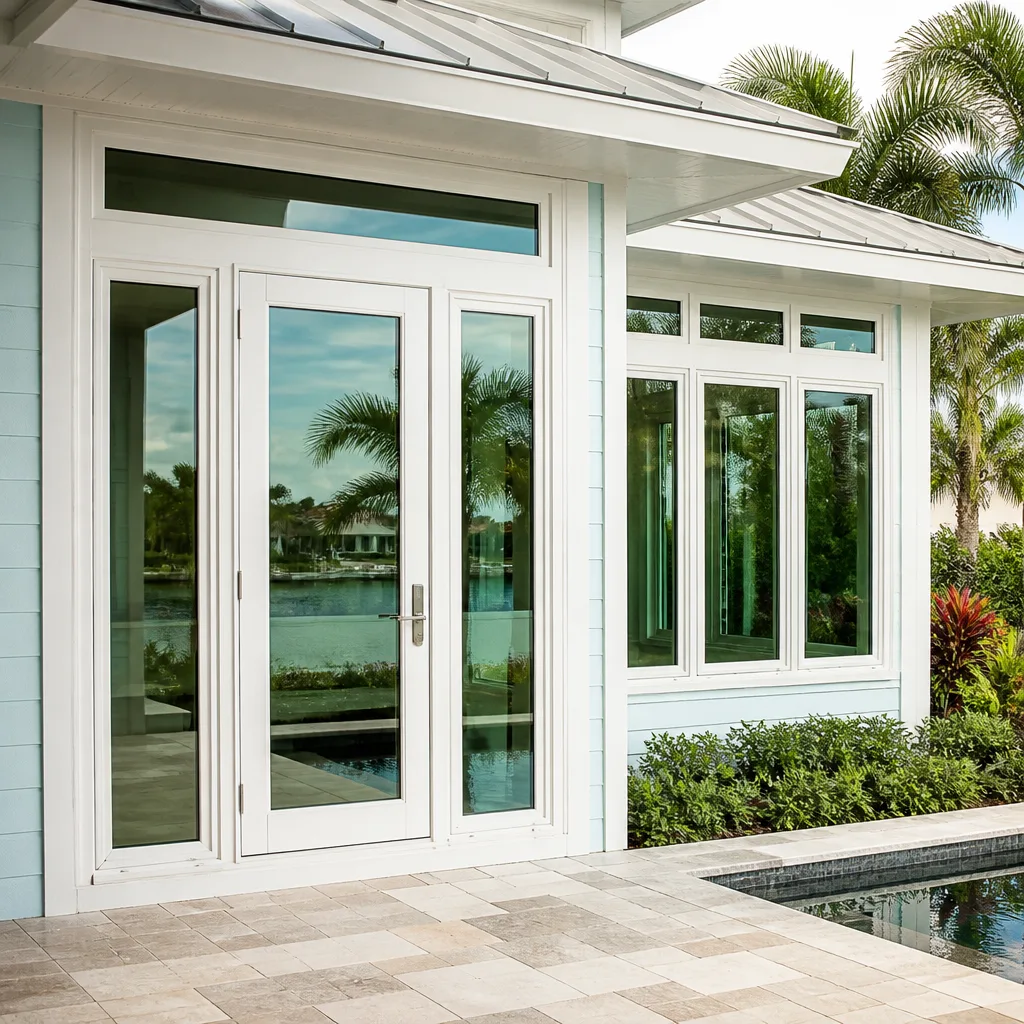
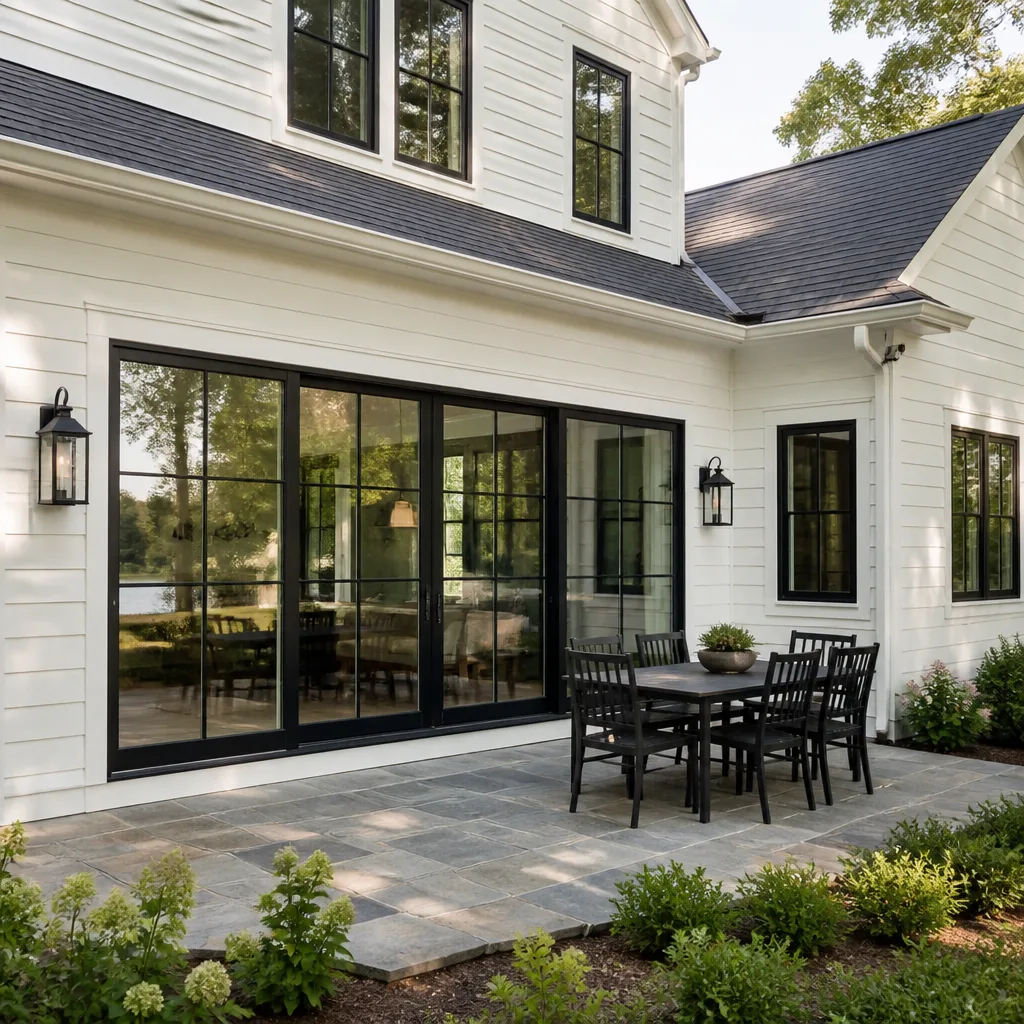
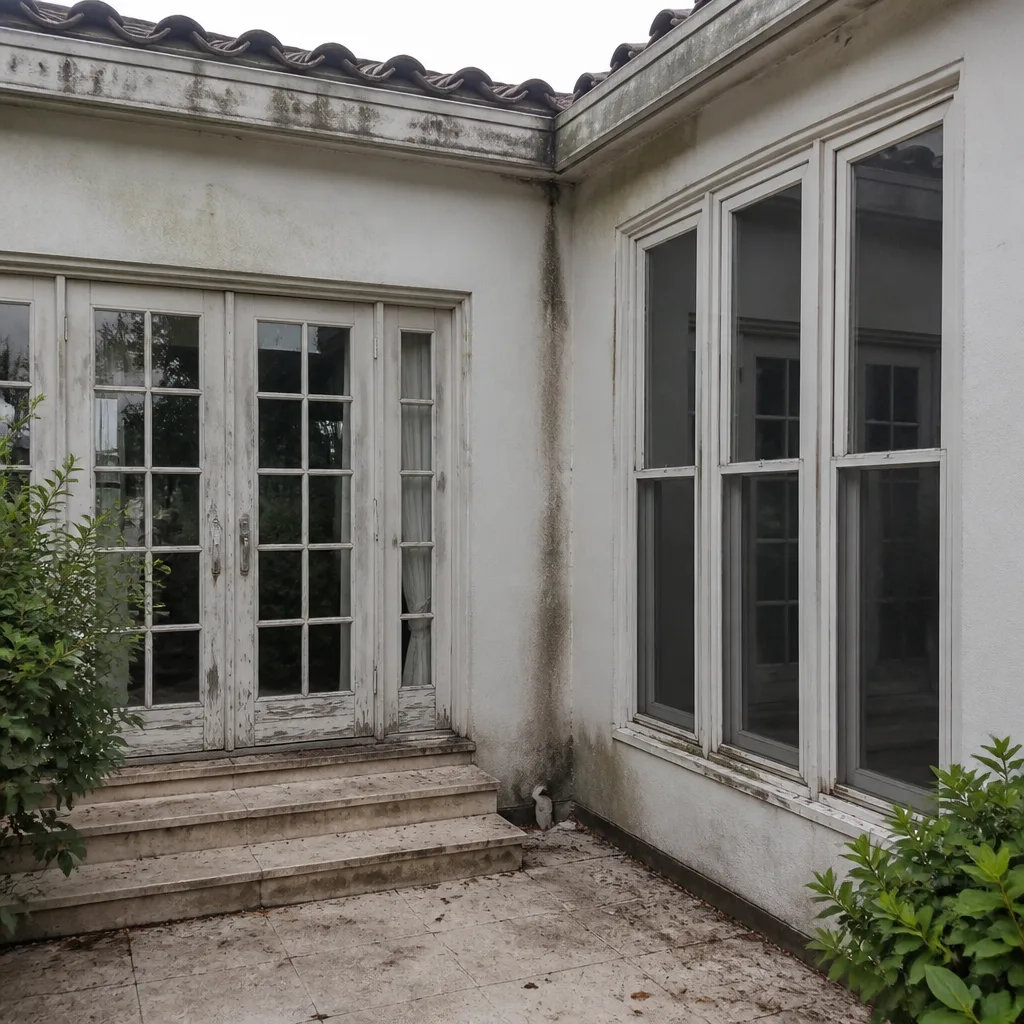 Before
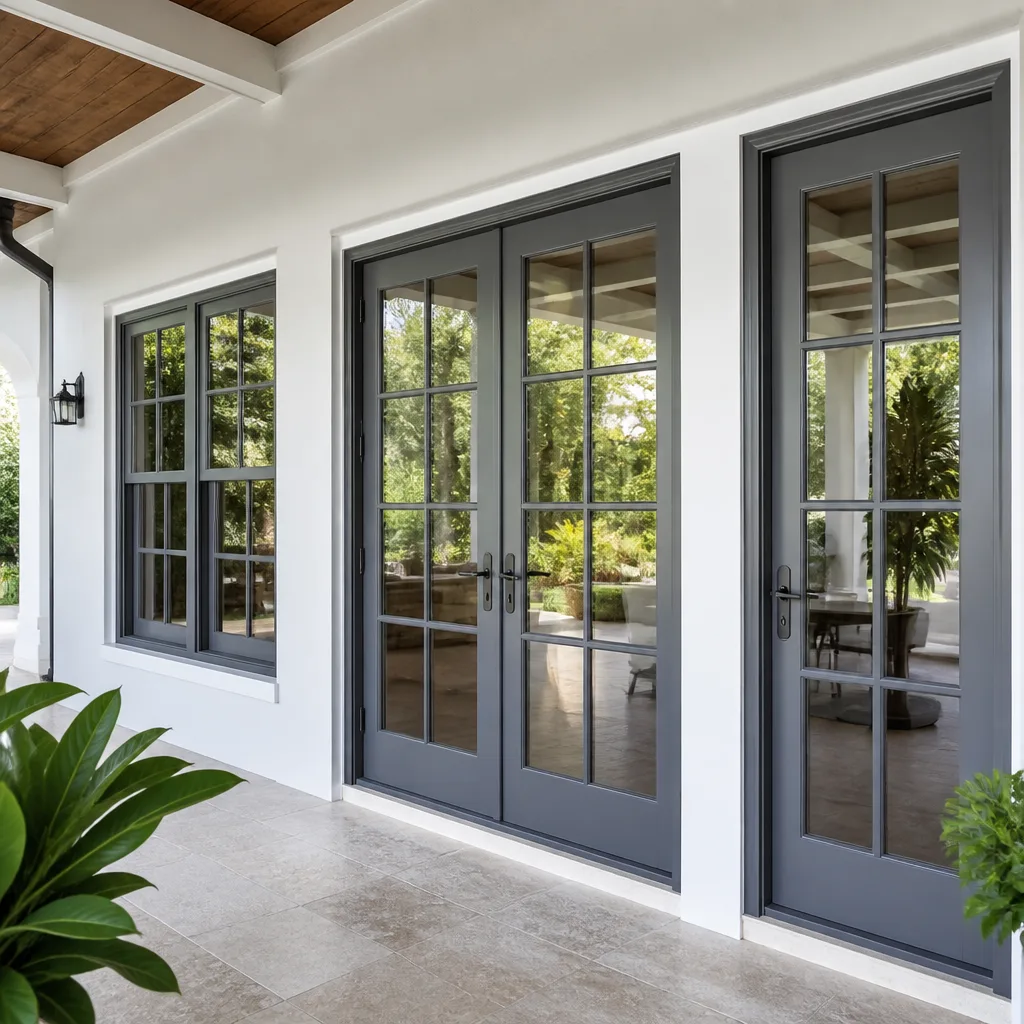 After
After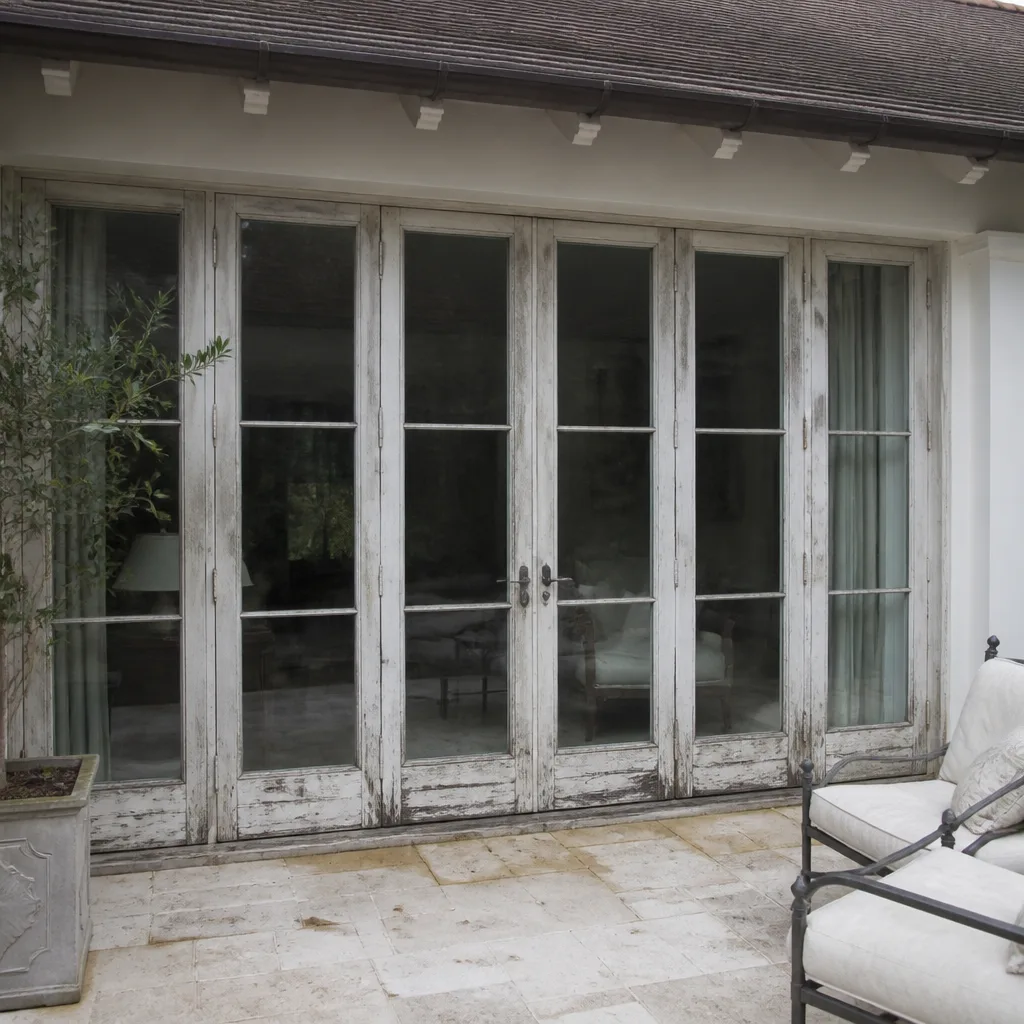 Before
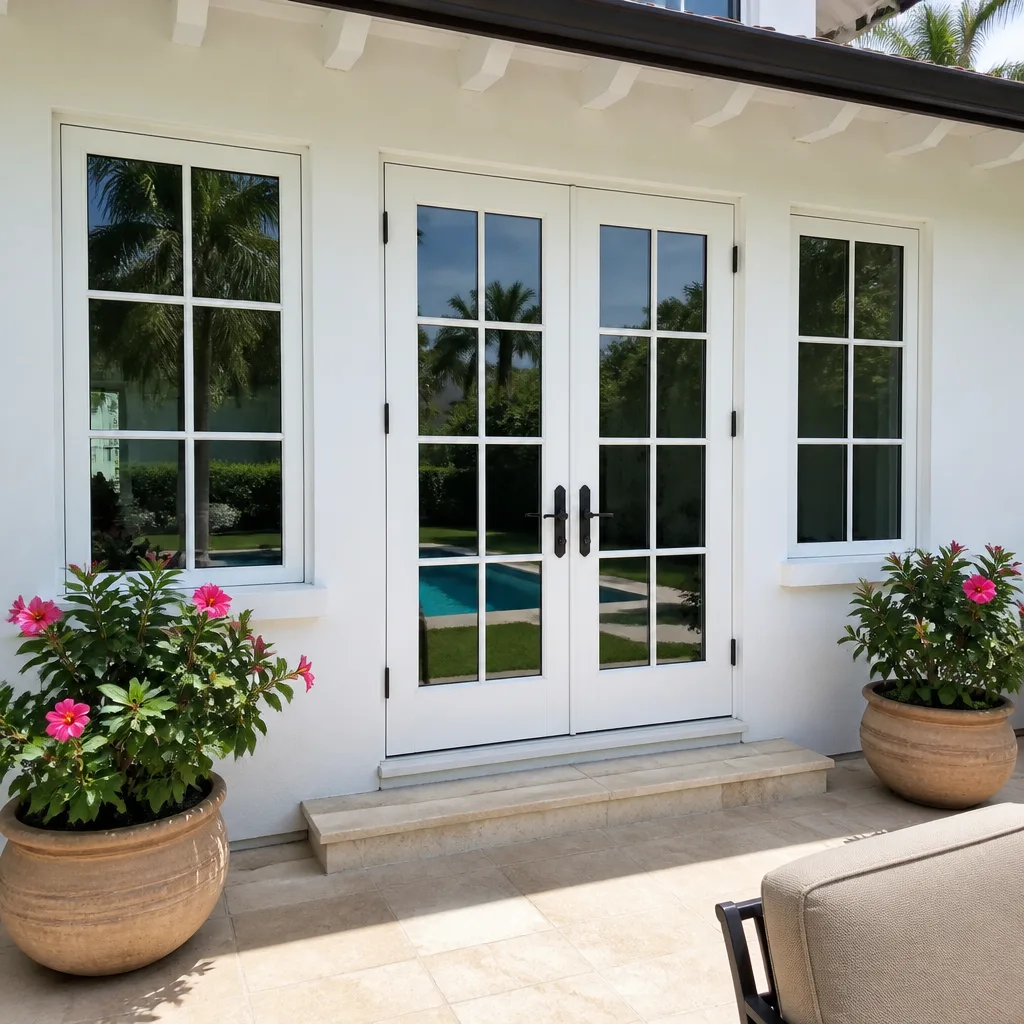 After
After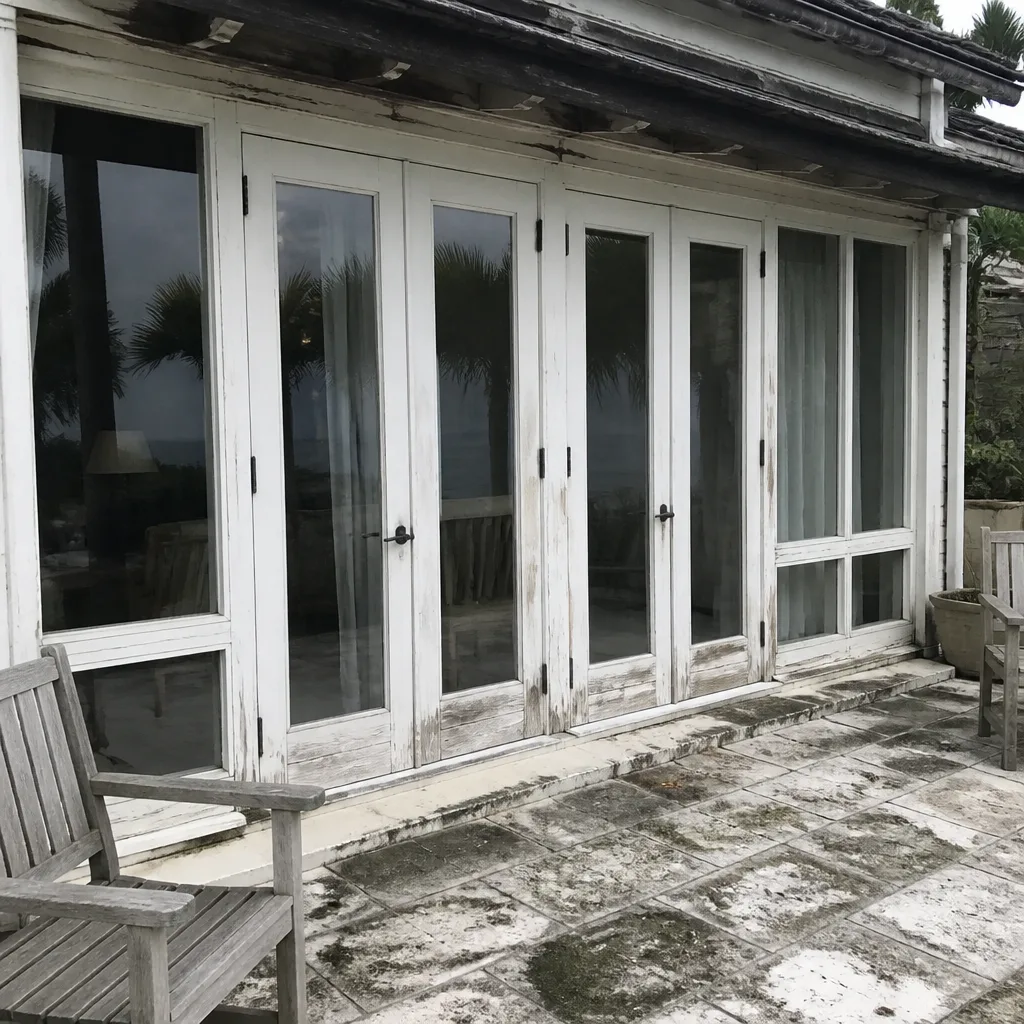 Before
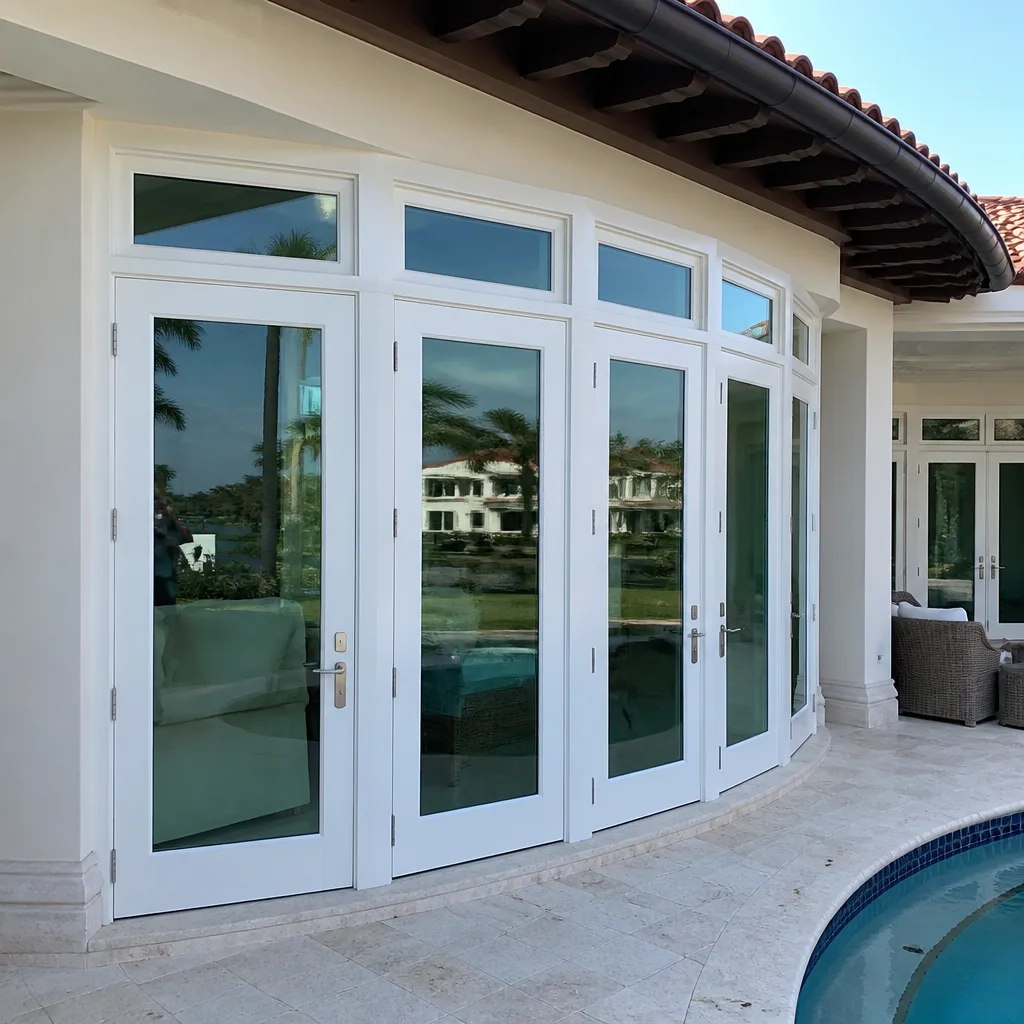 After
AfterWindows & Doors Warning Signs: A Palm Beach Homeowner’s Reference Guide
A thin white haze appearing at the corner of your insulated glass unit isn’t a cleaning problem. It’s the first visible sign that your IGU seal has failed and argon gas has escaped, which means you’re losing the thermal and acoustic performance you paid for, and moisture infiltration is next. Most Palm Beach homeowners live with it for two years before they understand what they’re looking at. This guide teaches you to read your windows and doors the way a contractor does, so you’re fixing a $200 seal problem instead of a $12,000 frame replacement. For a deeper dive, see The Complete Guide to Windows & Doors in Palm Beach.
Quick Answer
The earliest warning signs of window and door failure in Palm Beach are failed IGU seals (visible as interior haze that won’t wipe off), salt-air pitting on hardware, frame corrosion where aluminum meets stucco, and doors that stick seasonally. In a coastal climate, these signs typically appear 12 to 36 months before full failure. Catching them early means a repair that costs hundreds instead of a replacement that costs thousands.
Table of Contents
- IGU Seal Failure: The Haze You Shouldn’t Ignore
- Frame Corrosion: Cosmetic Oxidation vs. Structural Damage
- Why Your Door Sticks: Adjusting vs. Foundation Movement
- Salt-Air Hardware Pitting: When Locks and Hinges Are About to Fail
- Interior Warning Signs: Baseboards, Paint, and What They Reveal
- How to Test for Air Infiltration Yourself
- Hurricane Season Readiness: Impact Windows and What to Check
- Common Mistakes to Avoid
- When to Call a Professional
- Frequently Asked Questions
- The Bottom Line
IGU Seal Failure: The Haze You Shouldn’t Ignore
Insulated glass units, or IGUs, are the double-pane assemblies inside most modern windows. They work because the space between the two panes is sealed and filled with argon gas, which slows heat transfer and keeps your electric bill in check. When that seal fails, the argon escapes and ordinary air takes its place. The first thing you’ll notice is a faint white film or haze on the inside surface of the glass, often starting at a corner and spreading. You can’t wipe it off because it’s on the interior face of the glass, inside the sealed unit.
In Palm Beach, IGU seals fail faster than they do inland. The combination of intense UV exposure, salt-laden air, and daily temperature swings from hot afternoons to air-conditioned interiors puts constant stress on the sealant. We’ve replaced units in Palm Beach homes that were less than eight years old, while the same window in a drier climate might go twenty years before showing haze.
Here’s the progression you should expect once you spot the haze:
- Months 1-6: Haze appears in corners and along edges. The window still insulates somewhat but has lost 30-50% of its original thermal performance. Your AC runs a little harder.
- Months 6-18: Haze spreads across the entire unit. You may notice condensation between the panes on humid mornings. The window now insulates about as well as a single pane.
- Months 18-36: Mineral deposits build up on the interior glass surfaces. The view is visibly fogged. The frame absorbs moisture it was never designed to handle, which accelerates wood rot or aluminum corrosion around the sash.
The fix at stage one is often a simple IGU replacement, sometimes called a glass-only replacement, which preserves your existing frame. Wait until stage three and you’re likely looking at full window replacement in Palm Beach, because the frame has been compromised by moisture it was never meant to hold. We can’t stress enough how often this gets dismissed as hard-water staining. If it’s between the panes, it’s a seal failure, and it only gets more expensive from there.
Frame Corrosion: Cosmetic Oxidation vs. Structural Damage
Aluminum window frames don’t rust the way steel does. They oxidize, forming a white or gray powdery film that can look alarming but is often harmless. The skill is knowing when that oxidation is doing real work underneath. In our experience across Palm Beach, we see both on the same street, sometimes on the same house. Palm Beach’s salt air is relentless, and the difference between a frame that needs cleaning and a frame that can’t hold glass under wind load comes down to where the corrosion is and what it’s doing.
Here’s how to tell them apart:
- Surface oxidation sits on top of the aluminum like chalk dust. It wipes away with a rag (though it will return). The metal underneath is smooth and solid. This is cosmetic and, while you should clean it and consider anodizing or painting, it does not threaten the window’s structural integrity.
- Structural corrosion appears as pitting, flaking, or bubbling under the paint. The aluminum has begun to lose actual material. You may see white crystalline growth pushing paint off the frame. Tap it with a screwdriver handle: if it crumbles or sounds hollow, the frame has lost material. This frame cannot reliably hold glass when a hurricane pushes 150 mph wind against it.
The meeting point where aluminum meets stucco or concrete is where structural corrosion starts in Palm Beach. Salt spray settles there, humidity wicks into the joint, and the aluminum’s protective oxide layer can’t regenerate because the surface is constantly wet. If you see corrosion creeping out from under a window flange where it meets the wall, treat it as structural until proven otherwise. The same rule applies to doors with aluminum thresholds:
We looked at a home in West Palm Beach earlier this year where the homeowner had painted over corroded window frames three times in five years. The paint kept failing because the frame underneath kept degrading. When we removed the window, the bottom track crumbled in our hands. That window had been holding glass in a wind-load situation with less than half its original metal. The homeowner was lucky. Storm season in Palm Beach is not the time to find out.
Why Your Door Sticks: Adjusting vs. Foundation Movement
A door that sticks is one of the most common complaints we hear from Palm Beach homeowners. The question that matters is whether the door has moved or the house has moved. They look the same at first, and they need very different solutions.
Doors that just need adjusting have identifiable mechanical causes:
- Hinges have loosened over years of use, letting the door sag a fraction of an inch
- The strike plate has shifted slightly, so the latch no longer lines up
- Weatherstripping has compressed or hardened, making the door feel tight even when the frame is square
- Humidity has swollen the door slab itself, a common issue in Palm Beach summers
These problems are fixable in under an hour by someone who knows what they’re doing. The tell is that the door sticks at a specific point, usually the top corner on the latch side or just at the strike plate, and the gap between the door and frame is inconsistent: wider at the bottom, tighter at the top.
Doors that indicate foundation movement tell a different story. The door and frame shift together. You’ll see:
- The gap around the door is even on all sides, but the door now rubs along the entire top or bottom edge
- Cracks in the drywall radiating from the door frame corners, often at 45 degrees
- The door locks fine in the morning and won’t latch by mid-afternoon
- You can see light through the top of the door when it’s fully seated
Palm Beach’s sandy soil expands and contracts with seasonal groundwater changes. Homes built on slabs here can shift millimeters per year, and doors are the first place that movement shows up. If your door problems come and go with the seasons or the weather, that’s a sign the slab is moving, not the door. At that point, you need a professional who can assess whether the door can be re-shimmed and re-hung or whether the opening itself has moved enough that the rough framing needs correction. Not sure who to call? Read How to Hire a Windows & Doors Contractor in Palm Beach: A Step-by-Step Guide first.
We tell homeowners the same thing every time: one sticky season is a nuisance. Two sticky seasons in the same spot is a pattern worth investigating. And if you’re in an older Palm Beach neighborhood with mature trees, root movement is a real factor, root systems can lift a slab edge and throw every door on that side of the house out of square.
Salt-Air Hardware Pitting: When Locks and Hinges Are About to Fail
Door and window hardware in Palm Beach lives in a constant salt bath. Stainless steel, brass, and coated zinc all respond differently. Knowing what the pitting pattern is telling you can prevent a lock that jams shut at the worst possible moment or a hinge that snaps when someone leans on the door.
Surface rust on steel hardware looks alarming but is often treatable. It appears as orange staining that sits on the surface. It will scrub off with a brass brush or fine steel wool, and the hardware will function fine afterward. This is years from being a structural problem if you clean it and keep it lubricated.
Pitting on zinc or pot metal hardware is the one to watch. Pitting appears as tiny craters, not surface staining. Once pitting starts on a lock cylinder or hinge barrel, the metal is losing material. The internal components are usually worse than what you can see, because salt water wicks into the mechanism and corrodes from the inside. A lock with visible pitting on the exterior will often fail internally within 12 months.
Here’s the practical rule, based on what we see across Palm Beach:
- Inspect handles, hinges, and lock cylinders on the windward side of your home (east and southeast facing) twice a year. That’s where salt spray concentrates.
- If rust wipes away and the metal underneath is smooth, clean it, lubricate with a dry silicone spray, and carry on.
- If the surface has any pitting, cratering, or flaking, plan to replace that hardware. Do not wait for it to fail.
- Load-bearing hinges on doors should be stainless steel or solid brass in coastal Palm Beach. Plated steel will corrode under the plate and fail from within.
- Close all windows and doors in the house. Turn on every exhaust fan you have, bathroom fans and range hood included. This creates negative pressure inside, pulling outside air through any gap that exists.
- Light the incense and hold it near each window seam, one at a time. Move slowly along the perimeter: top, bottom, both sides. Watch the smoke stream.
- If the smoke wavers, bends, or gets sucked toward the seam, air is moving through. The stronger the pull, the bigger the gap.
- Test every window in the house, not just the ones that feel drafty. The worst leaks are often on the side of the house you never sit near.
- Repeat the test at every exterior door, paying attention to the bottom corners and the threshold.
- Assuming haze is a cleaning problem. If the haze is between the glass panes, no amount of Windex will touch it. Every month you wait, the unit degrades further and the eventual repair gets more expensive.
- Painting over corroded frames without addressing the corrosion. Paint seals moisture in, which accelerates the corrosion underneath. You’ll get one season of it looking better and two years of it getting worse.
- Ignoring a sticking door because it only happens in summer. In Palm Beach, seasonal sticking is often slab movement, not humidity. The longer you wait, the more the opening shifts and the harder it is to square up.
- Testing for leaks on a windy day. Natural wind pressure will make every seam look like a leak. You’ll convince yourself the house is falling apart when it’s actually fine, or miss real leaks masked by general air movement.
- Waiting until a lock fails before replacing pitted hardware. Pitting is the failure. By the time the lock jams, the internal corrosion is usually severe enough that the entire mechanism needs replacement, not just a cylinder swap.
- Treating all window condensation as a seal failure. Interior condensation can be an AC sizing problem. Between-pane condensation is a seal failure. They look similar through a sleepy morning haze, but the fixes are very different.
- Deferring hurricane prep until August. Palm Beach contractors book out months in advance. The homeowners who scramble in late summer are the ones who pay emergency premiums or go without repairs.
One more Palm Beach specific point: sliding glass door rollers. They’re sealed units, but the salt here finds a way in. A sliding door that used to glide and now requires shoulder pressure is telling you the rollers are corroding. Replacement is usually under $200 per door. Wait until the roller seizes and scores the track, and you’re replacing the entire door panel. We install Mr-Glass and Therma-Tru doors with marine-grade hardware for exactly this reason. It’s not a luxury. It’s what coastal Palm Beach demands.
Interior Warning Signs: Baseboards, Paint, and What They Reveal
Most homeowners look at their windows and doors from the outside. The earlier warning shows are often inside, on surfaces that seem unrelated. Here’s what we’ve learned to read inside Palm Beach homes, and what each sign is actually telling you.
Baseboard swelling near a window sill. If the baseboard under a window is swollen, discolored, or showing a waterline, water is getting in somewhere. It’s not always the window. It could be the exterior flashing above the window, a failed seal letting condensation run down the interior wall, or a crack in the stucco that’s channeling rainwater into the wall cavity. The baseboard is the lowest point, so it’s where the water pools. What matters is that moisture inside your wall cavity in Palm Beach becomes mold within weeks, not months. The humidity here does the work for you.
Paint bubbling or peeling at door jambs. When paint lifts at a door jamb from the inside, especially at the bottom corners, water is wicking up through the threshold or in around the jamb. Exterior exposure is the usual culprit: a threshold that’s lost its seal, weatherstripping that’s no longer making contact, or a jamb that’s been absorbing water from splash-back for years. On wood jambs in particular, this is rot in progress. If the paint feels soft even when the weather has been dry, the wood behind it is already compromised.
Drywall cracks radiating from window corners. We touched on this with doors, and it applies to windows too. A diagonal crack from the top corner of a window opening, especially if it reappears after patching, means the opening is moving. In Palm Beach, that’s usually slab movement, thermal cycling of the wall assembly, or both. One crack that patches and stays gone is ordinary settling. A crack that returns within a year is the house telling you something.
Unexplained condensation on interior window surfaces. Morning condensation that appears on the inside face of single-pane windows is normal in a humid climate. Condensation that appears between the panes of double-pane windows is a failed seal, full stop. But condensation that appears on the interior face of a double-pane window when the AC is running normally indicates the window is conducting heat too well, which usually means the low-E coating has failed or the gas fill is gone, even if you haven’t seen haze yet.
One thing that surprises homeowners: in Palm Beach, we sometimes see interior condensation as a sign of an oversized AC unit, not a window problem. When the AC cools the air too fast without removing humidity, the dew point stays high and water condenses on the coldest surfaces, which is almost always the windows. Before you replace glass, rule out the AC. It’s a two-minute diagnosis, and it has saved our customers real money.
How to Test for Air Infiltration Yourself
Air leaking around windows and doors costs you money every month. In Palm Beach, where AC runs most of the year, a leaky window is a direct line from your electric bill to the outdoors. You can test for it yourself in under ten minutes, and the results will tell you whether you need a contractor or just a tube of caulk.
We recommend a stick of incense over a lighter. It’s steadier, safer, and the smoke stream is easier to read. Here’s the method:
What the results mean: if the smoke barely moves at most windows but blows hard at one or two, you have isolated seal failures. Replacing the weatherstripping or re-caulking those specific windows is often all it takes. If the smoke moves at every window and door, you have systemic envelope failure, and it’s probably time to think about window installation in Palm Beach rather than patch repairs. A house that leaks everywhere hasn’t had a bad day; it’s had twenty years of deferred maintenance.
One caution: don’t test on a windy day. Palm Beach gets enough breeze that natural wind pressure will make every seam look like a leak. Test on a calm day, ideally late morning when the temperature difference between inside and outside is smallest.
Hurricane Season Readiness: Impact Windows and What to Check
If you live in Palm Beach, hurricane season is not a hypothetical. It’s a calendar event. The windows and doors that protect your home from wind and water intrusion are the same ones that have been quietly degrading all year. Here’s what we recommend checking every spring, before the season starts on June 1.
Check impact glass for seal failure. Impact windows in Palm Beach are engineered as a system: the laminated glass, the heavy-duty frame, and the anchoring hardware all work together. A failed IGU seal doesn’t automatically void your impact rating, but it does weaken the unit, and moisture between the panes can eventually compromise the laminate. If you have impact-rated PGT or CGI windows showing interior haze, get them evaluated before a storm is bearing down on you.
Check anchoring. Impact windows and doors are only as strong as the bolts that hold them to the structure. Walk around the exterior and look for exposed fasteners, rusted screw heads, or caulk that’s pulled away from the frame. If you can see the anchor, water has probably reached it. On aluminum frames, look for the telltale white corrosion powder around anchor points.
Check door hardware under load. During a hurricane, your entry door becomes a pressure boundary. If the lock doesn’t seat fully, if the deadbolt drags, or if the door flexes when you press on the center, the hardware is not going to hold that door closed at 120 mph. This is not a cosmetic fix.
Check sliding glass doors. The roller condition matters more than you think. A sliding door that can’t be lifted out of its track cleanly is a door that can’t be serviced. And if the interlocks are corroded, the wind can separate the panels. If your slider takes real muscle to move, get it looked at before June.
The frustrating thing we see every year is homeowners calling in late August, trying to get work done while a storm churns in the Atlantic. The time to inspect and repair is spring. Contractors in Palm Beach book out months ahead during peak season. Call early, and if you need a second opinion on an estimate you already have, bring it to us. We’ll give it to you straight. Still weighing your options? Our DIY vs Professional Windows & Doors: The Palm Beach Homeowner’s Decision Guide can help.
Common Mistakes to Avoid
When to Call a Professional
Some of this guide is DIY-friendly: reading the signs, testing for air leaks, cleaning surface rust. But there are times when calling a professional is the only responsible move. If you see structural corrosion that’s visibly consuming the frame metal, call someone. That frame is holding glass under wind load, and guessing wrong has real consequences. If your door problems are accompanied by wall cracks or seasonal shifting, you need an experienced contractor who can separate frame movement from foundation movement. If your impact windows show any sign of seal failure or frame degradation before hurricane season, get them evaluated by a company that installs impact-rated products every day, not once a year. Winslow Windows & Doors offers free estimates throughout Palm Beach. Call (561) 831-7863 and we’ll come look. No trip charge inside the county, and if you already have a written estimate, we’ll give you a free second opinion on it.
Frequently Asked Questions
Replacing a single failed insulated glass unit in Palm Beach typically runs $150 to $400 depending on size, glass type, and whether the sash needs to be removed for the job. Impact-rated IGU replacements run higher, usually $400 to $900, because the laminated glass costs more and the work has to be done to code. These are glass-only repairs. Full window replacement runs much higher, which is why catching seal failure early matters. Call (561) 831-7863 for an exact quote on your specific windows. Estimates are free.
Impact windows that are still intact are usually still functional, but the anchoring and seals degrade over time. Check for haze between the panes, visible corrosion at the anchor points, and any frame movement when you push on the glass. If all three are clean, your windows are likely still doing their job. If any one of them shows a problem, have an impact window specialist in Palm Beach evaluate the installation before storm season.
In Palm Beach, a door that only sticks in summer can be swelling from humidity or the slab can be shifting with seasonal groundwater changes. If the door returns to normal every winter and the gaps around it look even, it’s usually humidity swelling. If the stick gradually worsens year over year, or if cracks appear at the door corners, the slab is moving and the issue will not resolve on its own. Either way, a professional can tell you in one visit which problem you have.
Yes. A failed IGU seal allows argon to escape and ordinary air to take its place, which means the window insulates significantly less than it should. Palm Beach homeowners with multiple failed seals often see cooling costs climb by 10 to 20 percent during summer months. Replacing failed IGUs usually pays for itself within two to four years through lower AC costs, especially if the failed windows face west or south.
An impact window is engineered as a complete system: laminated glass, reinforced frames, and heavy-duty anchoring that together resist wind pressure and flying debris. Hurricane film is a retrofit applied to existing glass. It may hold shattered glass in place, but it does not reinforce the frame or the anchors, and it doesn’t meet Palm Beach County’s strictest impact standards. If you’re replacing windows anyway, true impact-rated products from manufacturers like PGT or CGI are the permanent solution, and they also improve energy efficiency and noise reduction.
You can absolutely replace a single window or door. There’s no requirement to match existing windows unless a homeowners association has design rules. We do single-unit replacements all the time, matching the existing style as closely as possible. The only time we recommend doing more at once is when the frames are the same age and show the same warning signs, because replacing them together typically costs less per unit than spreading the work out over several years. Call (561) 831-7863 and we’ll walk you through the tradeoffs honestly.
The Bottom Line
Every window and door in your Palm Beach home is sending you signals. Haze between the panes, pitting on hardware, doors that stick in summer, baseboards that swell near window sills: these are not cosmetic annoyances. They are early warnings, and they show up 12 to 36 months before full failure. Learn to read them and you’ll spend hundreds on targeted repairs instead of thousands on full replacements. Ignore them and the house will eventually get your attention the expensive way, probably at the worst possible time. The message of this guide is simple: look at your windows and doors once a season, know what the signs mean, and when you’re not sure, call someone who does this work every day. For more guides & resources, visit our blog. The estimate is free. The knowledge will serve you for as long as you own the home.
Written by Ed Winslow, Owner at Winslow Windows & Doors, serving Palm Beach since 2011.
Six Reasons Homeowners Choose Winslow Windows & Doors
Impact systems engineered to design pressures up to +/-100, matched to your wind zone - your openings hold when the storm arrives.
Low-E insulated impact glass from our manufacturer lines commonly cuts monthly cooling bills 20-30%.
Laminated impact glass shuts out up to 40% of outside noise - traffic, neighbors, weather.
Monitoring services run $30-90 a month. Laminated impact glass resists forced entry around the clock, with no subscription.
Florida homeowners average around 25% savings on the windstorm portion of their policy after protecting every opening - some homes qualify for more.
A full impact package upgrades curb appeal, buyer confidence and appraised value in one project.