
Last updated August 27, 2026
Free in-home measure and quote - PGT, CGI and CWS impact lines compared on your actual openings, style by style
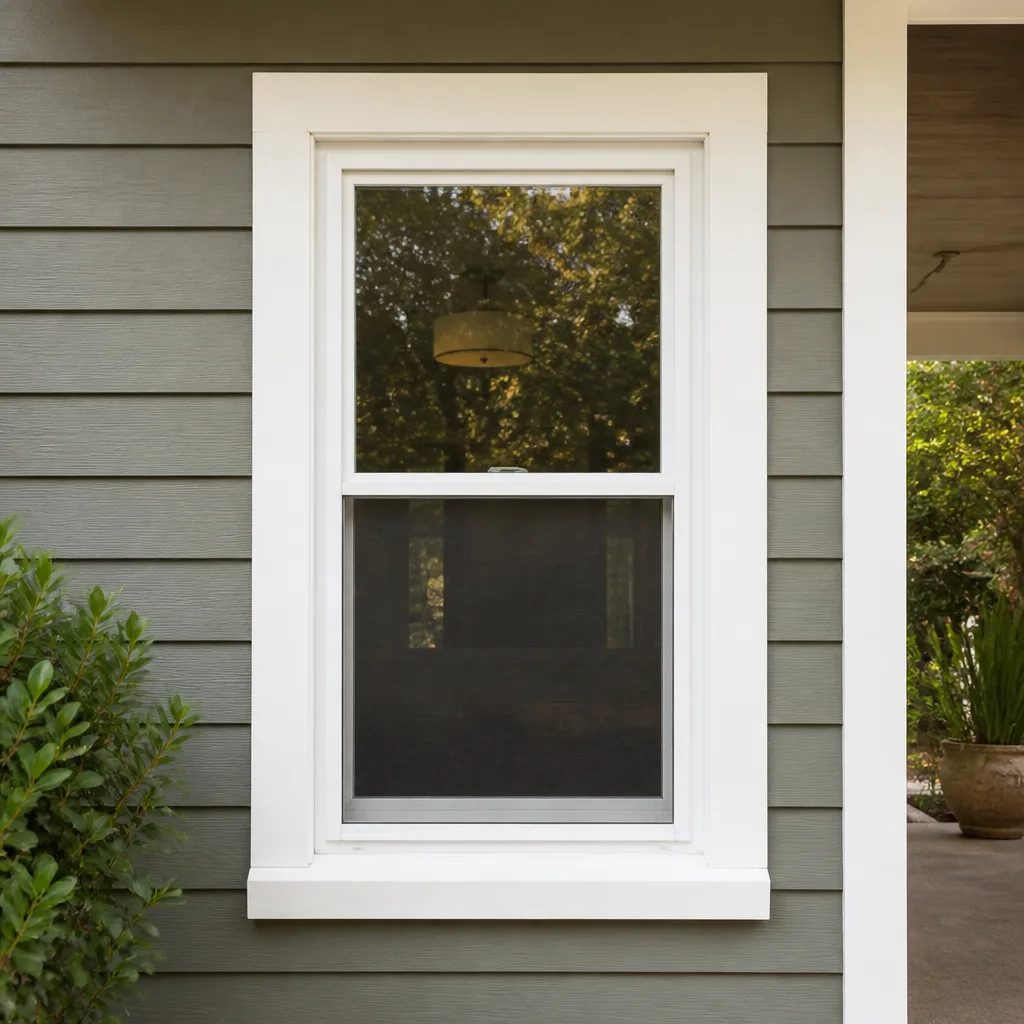
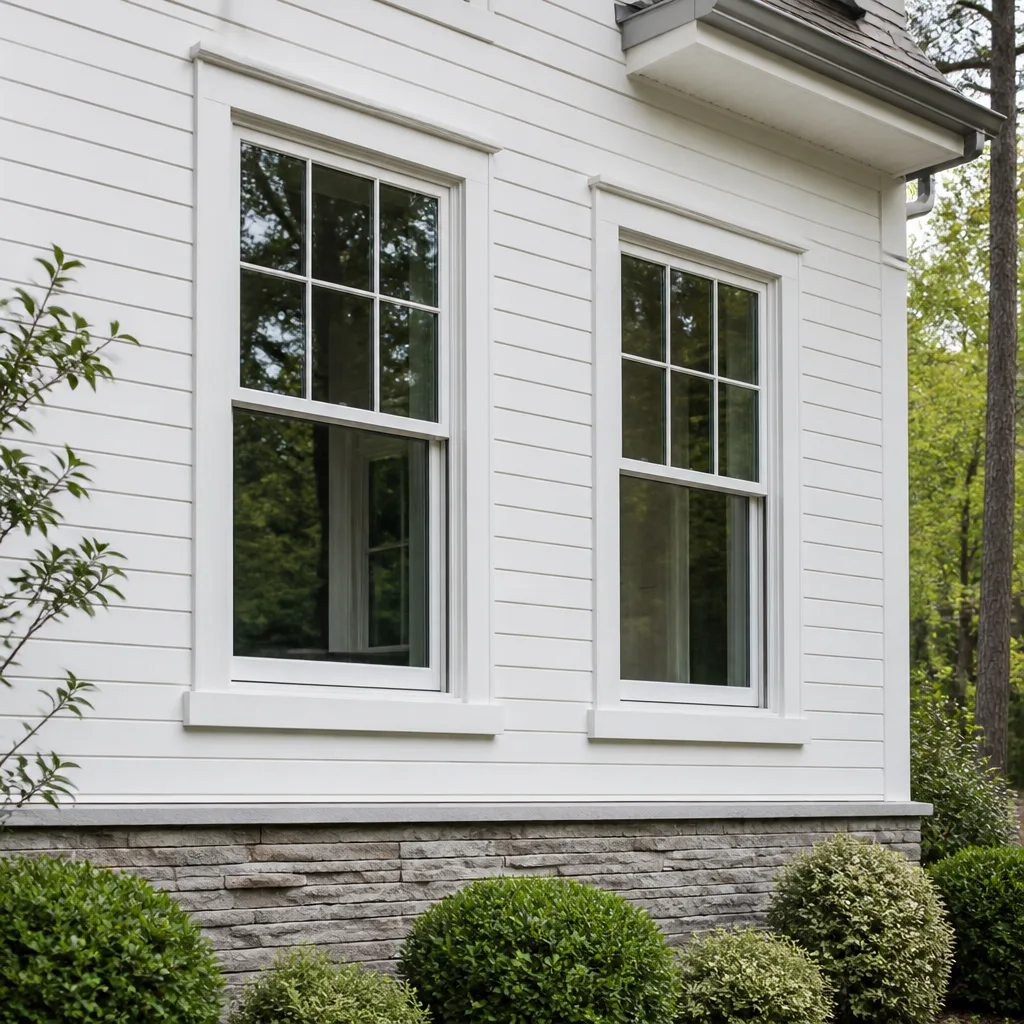
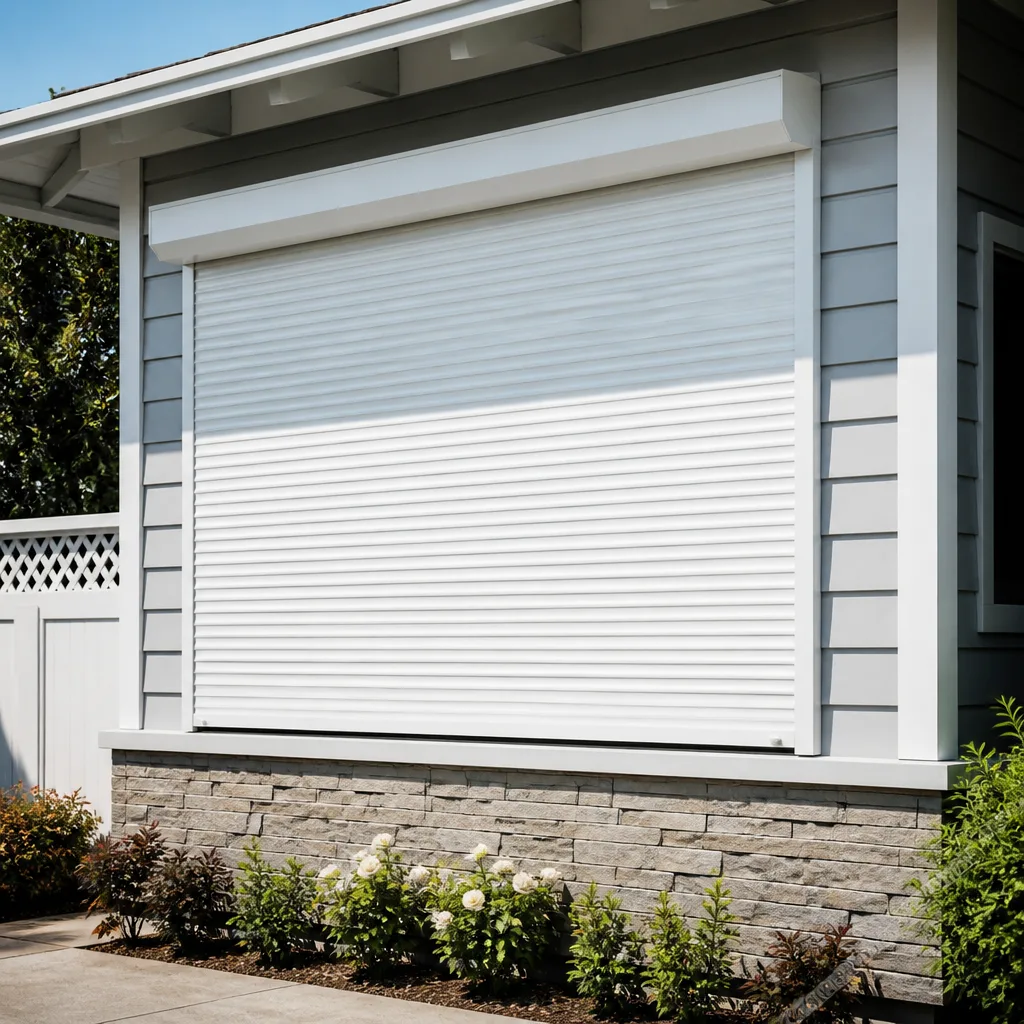
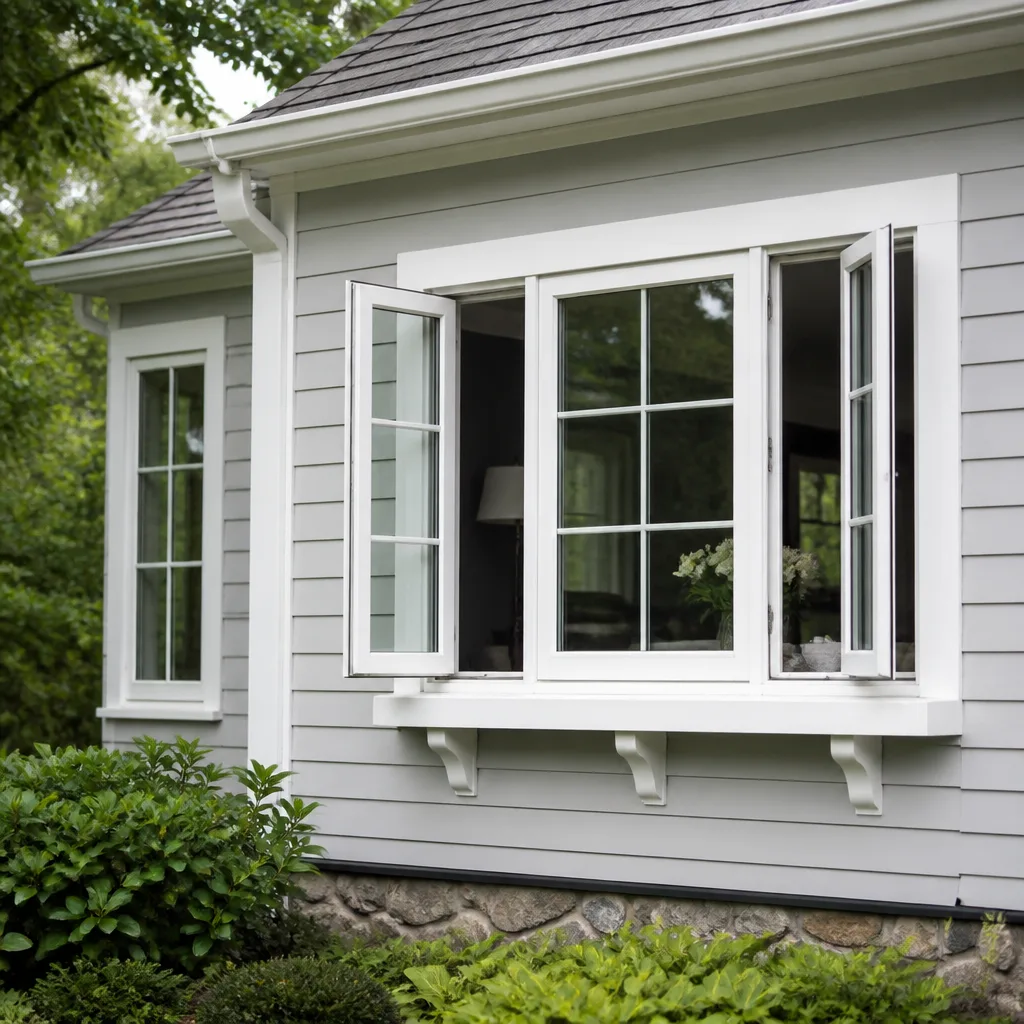
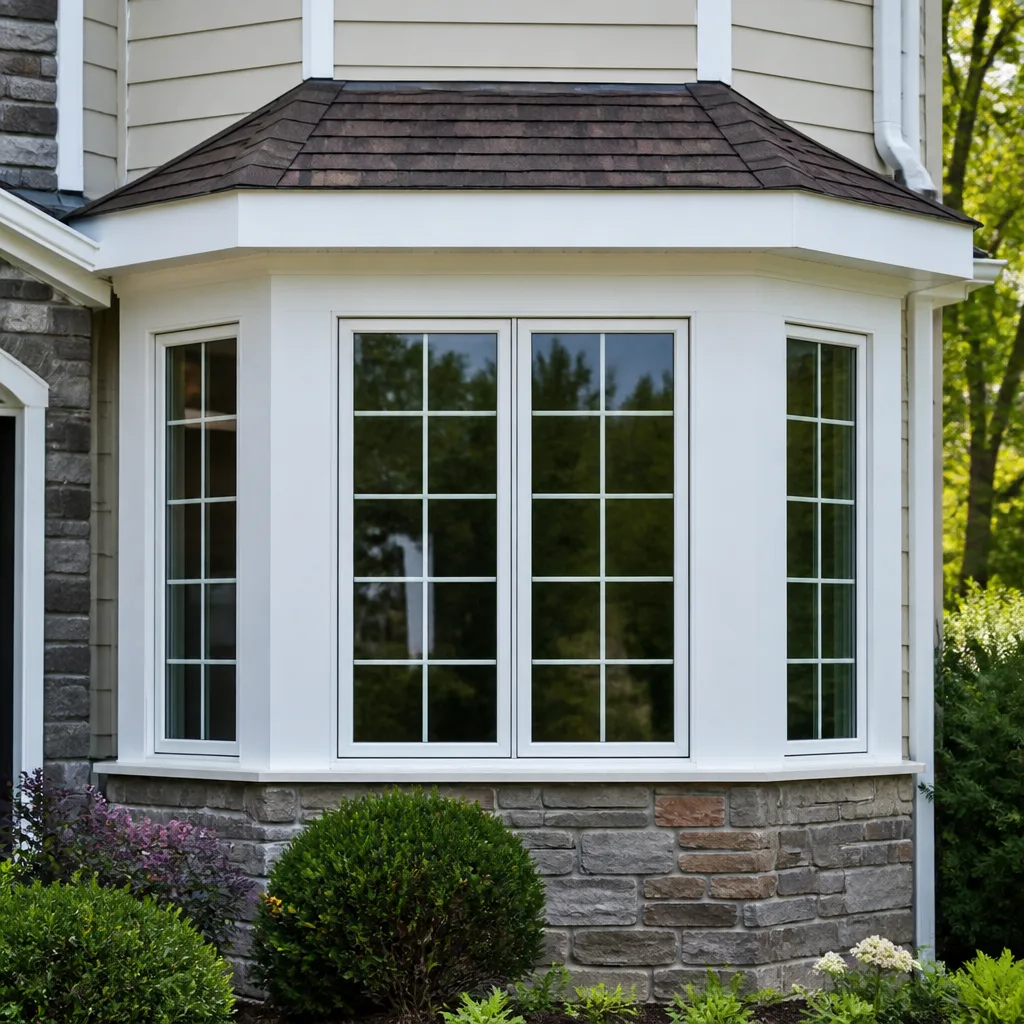
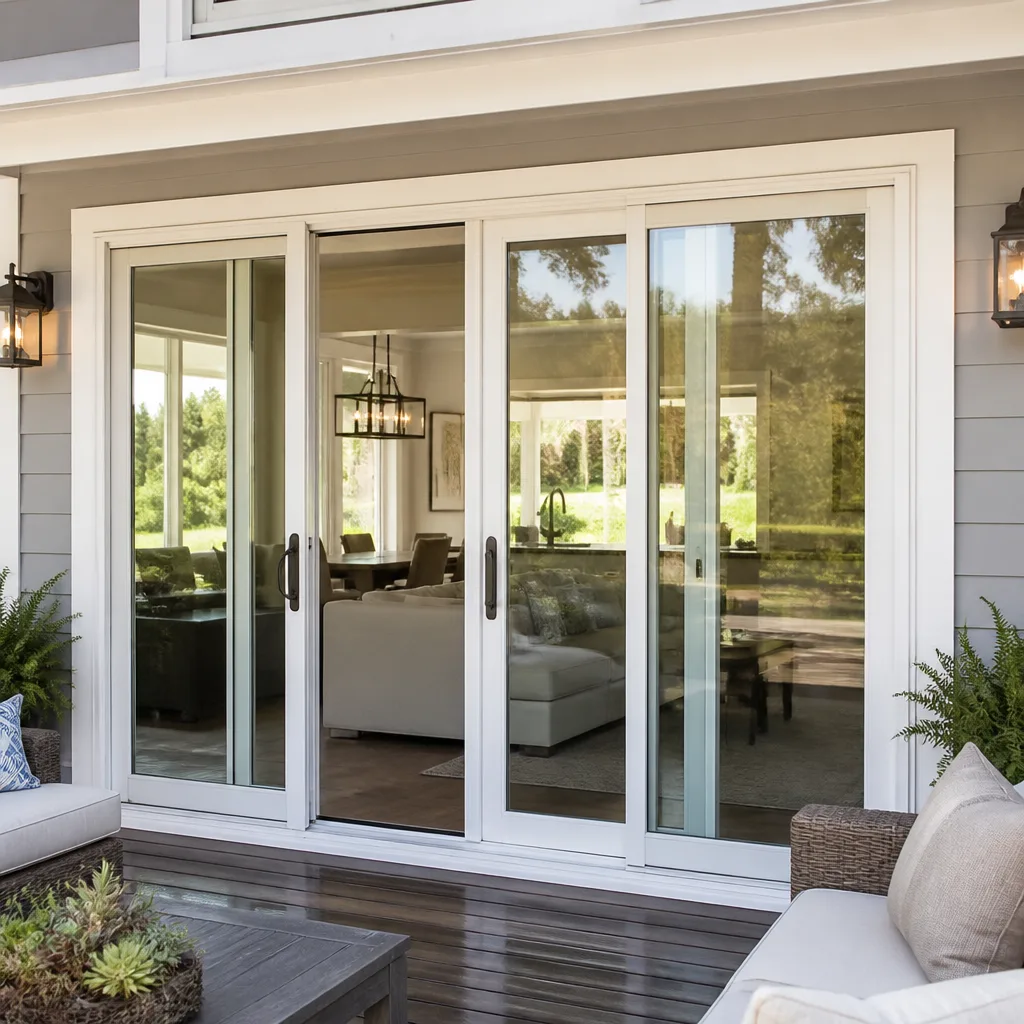
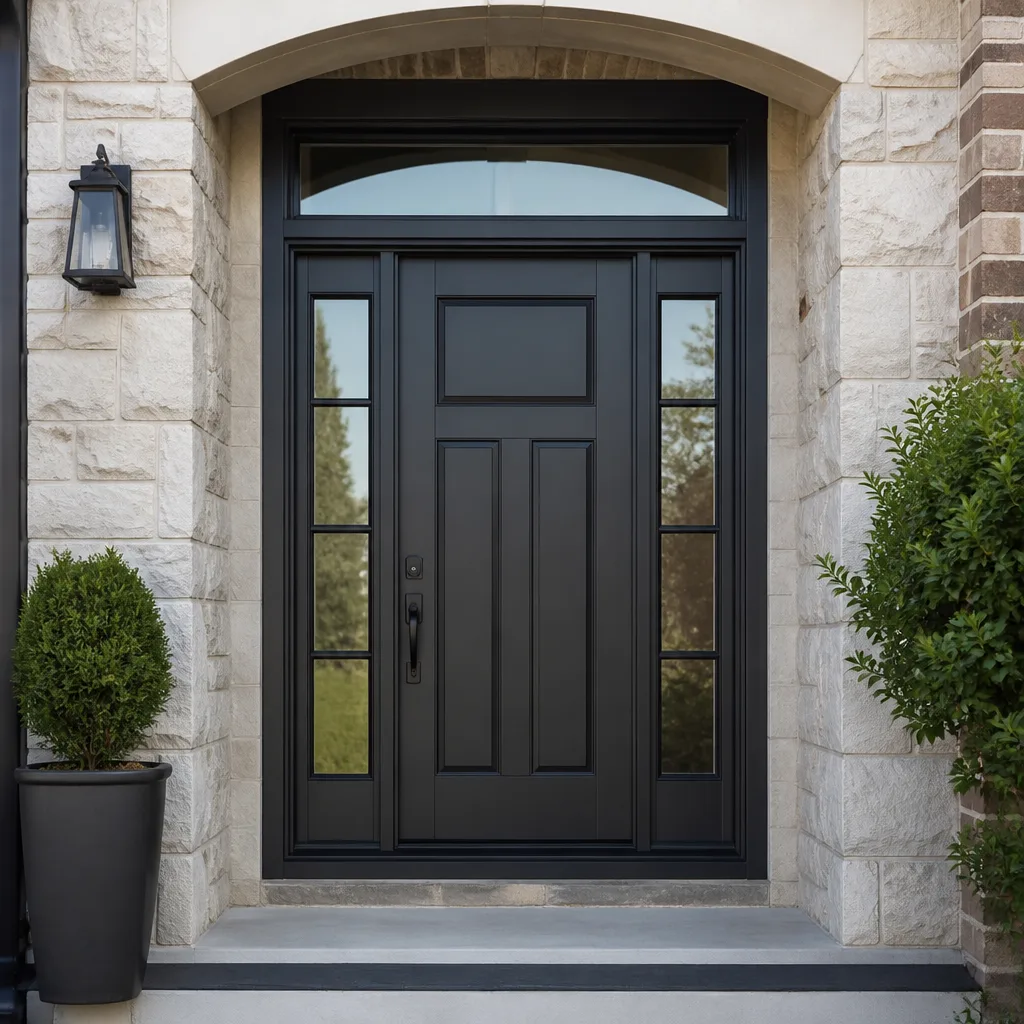
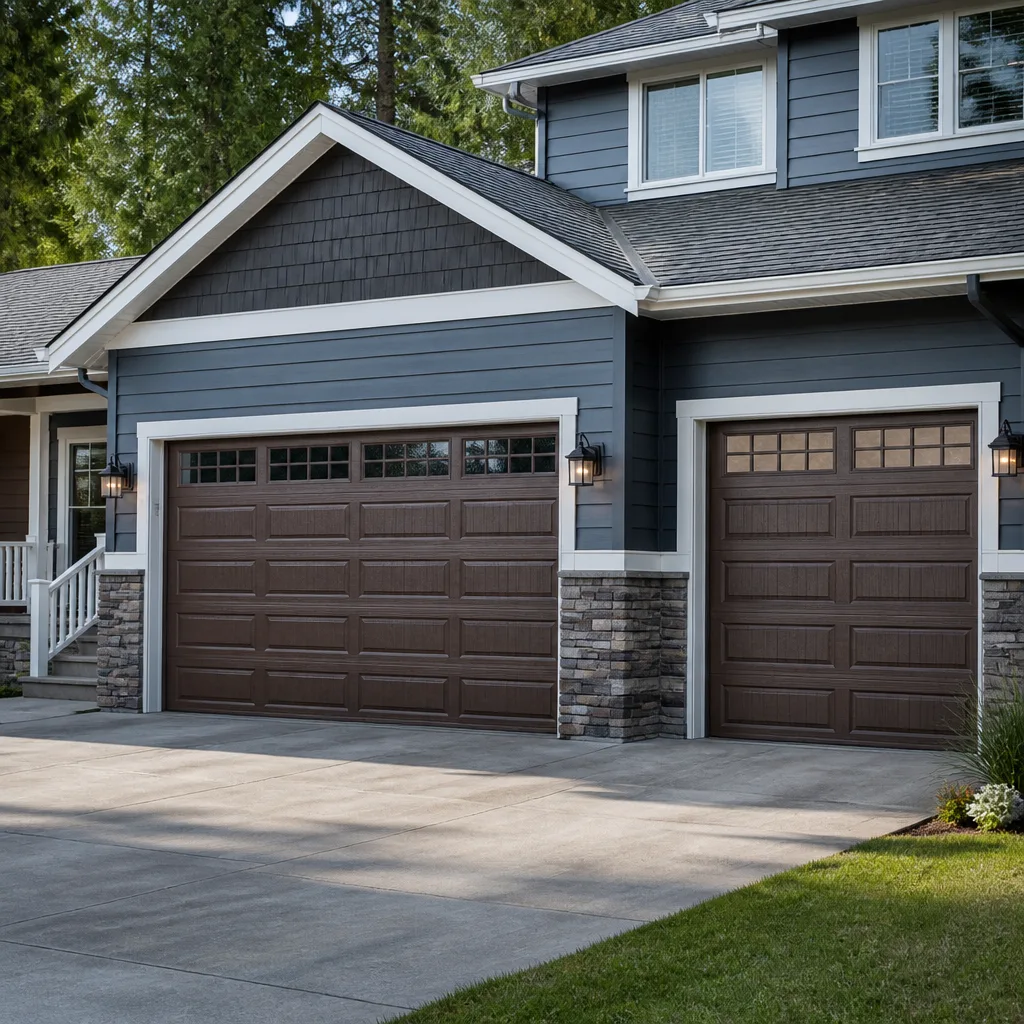
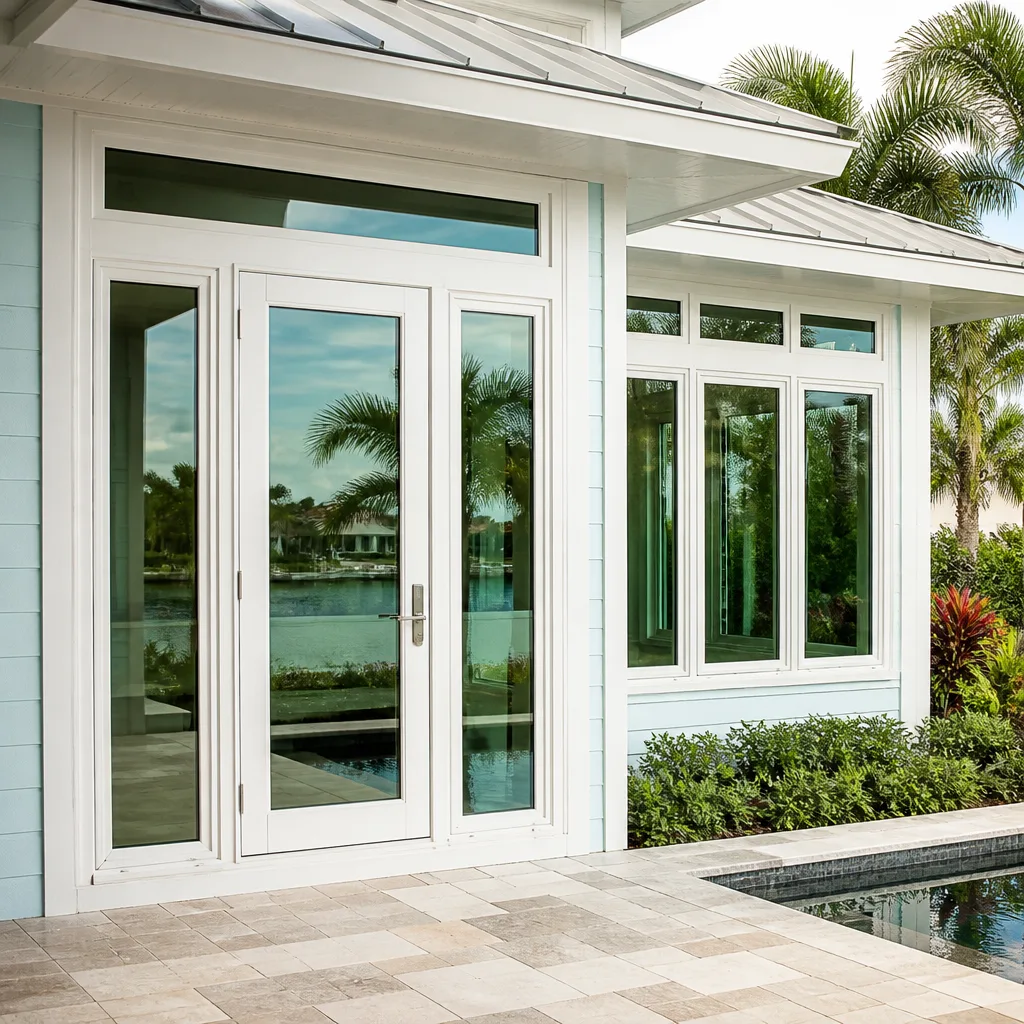
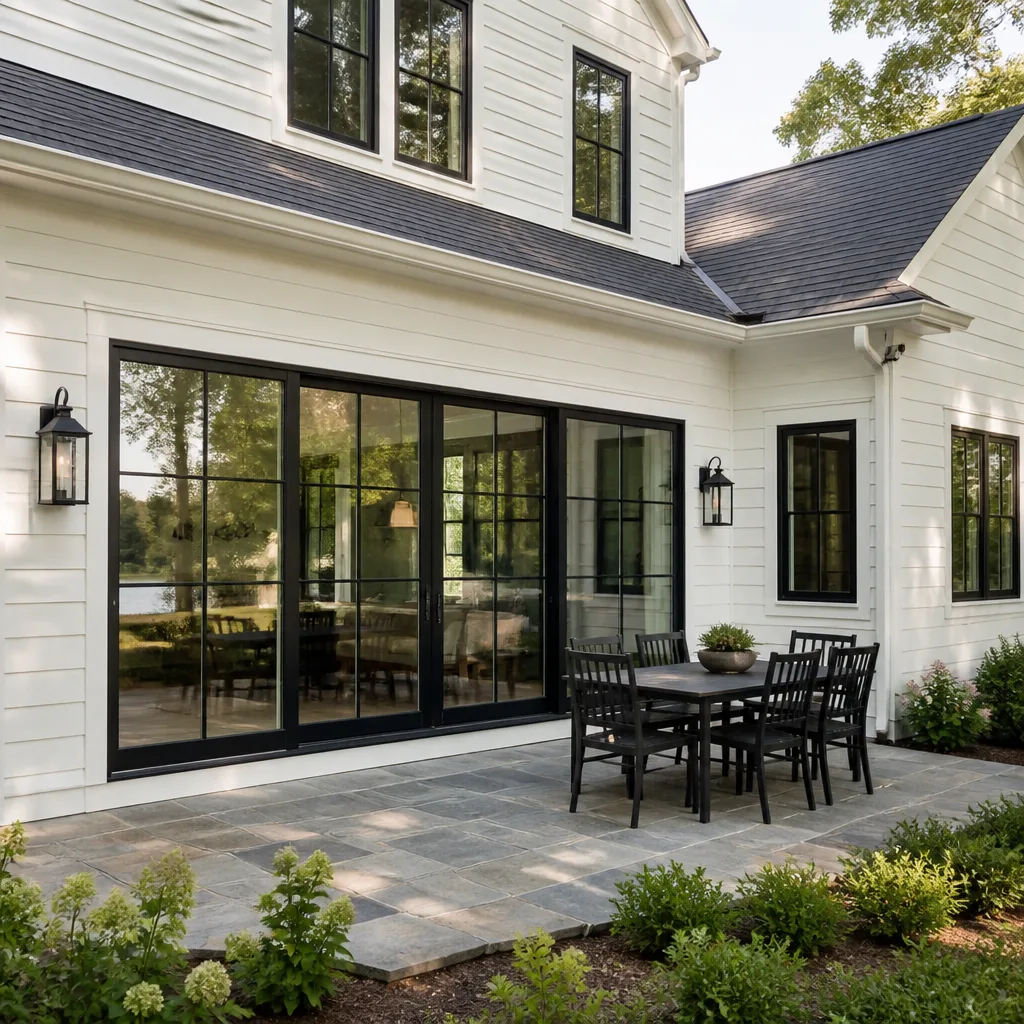
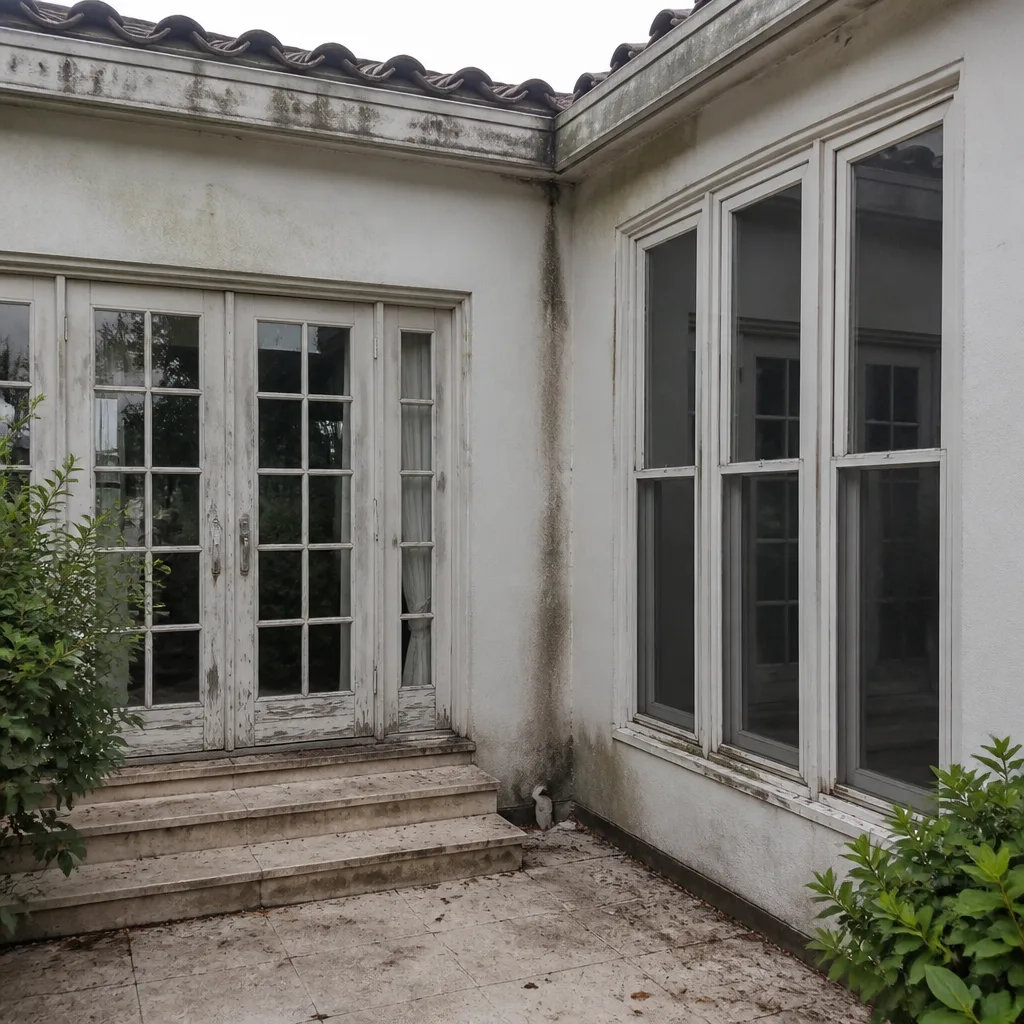 Before
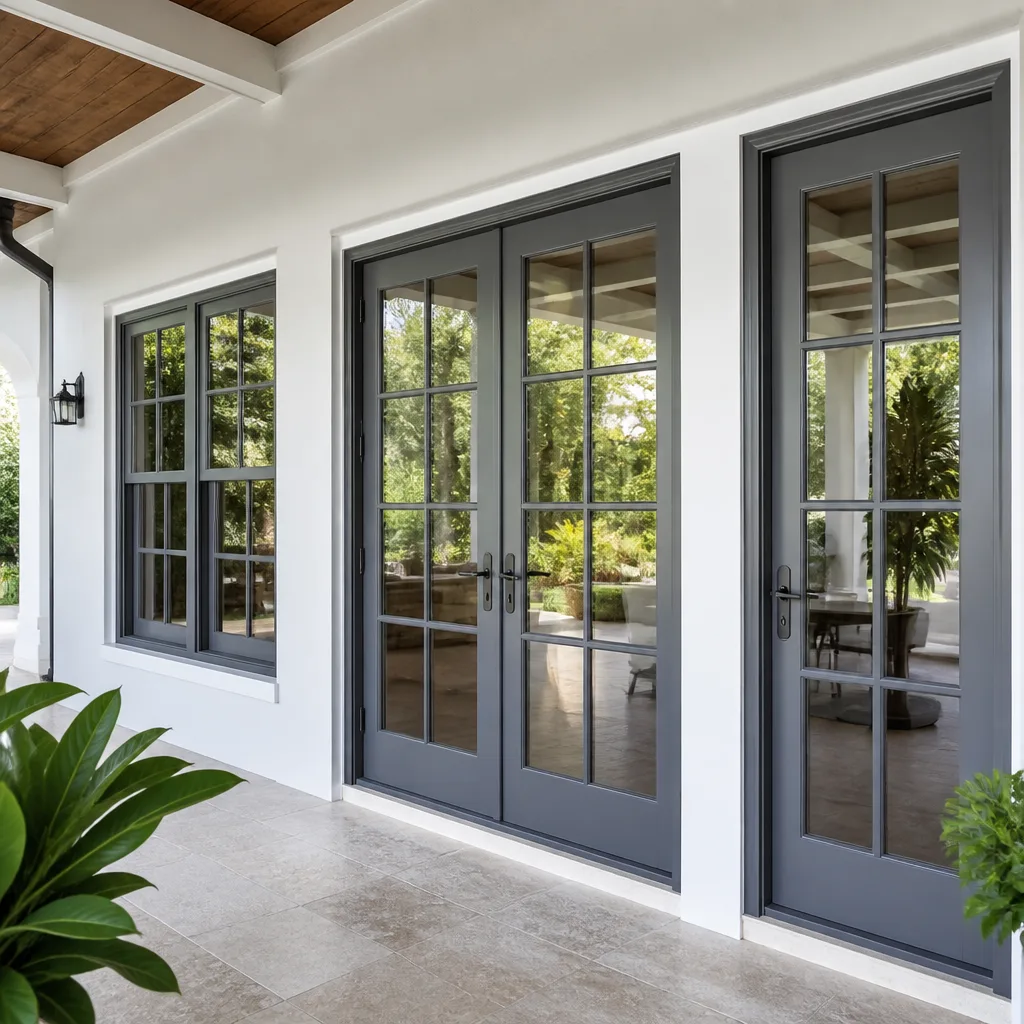 After
After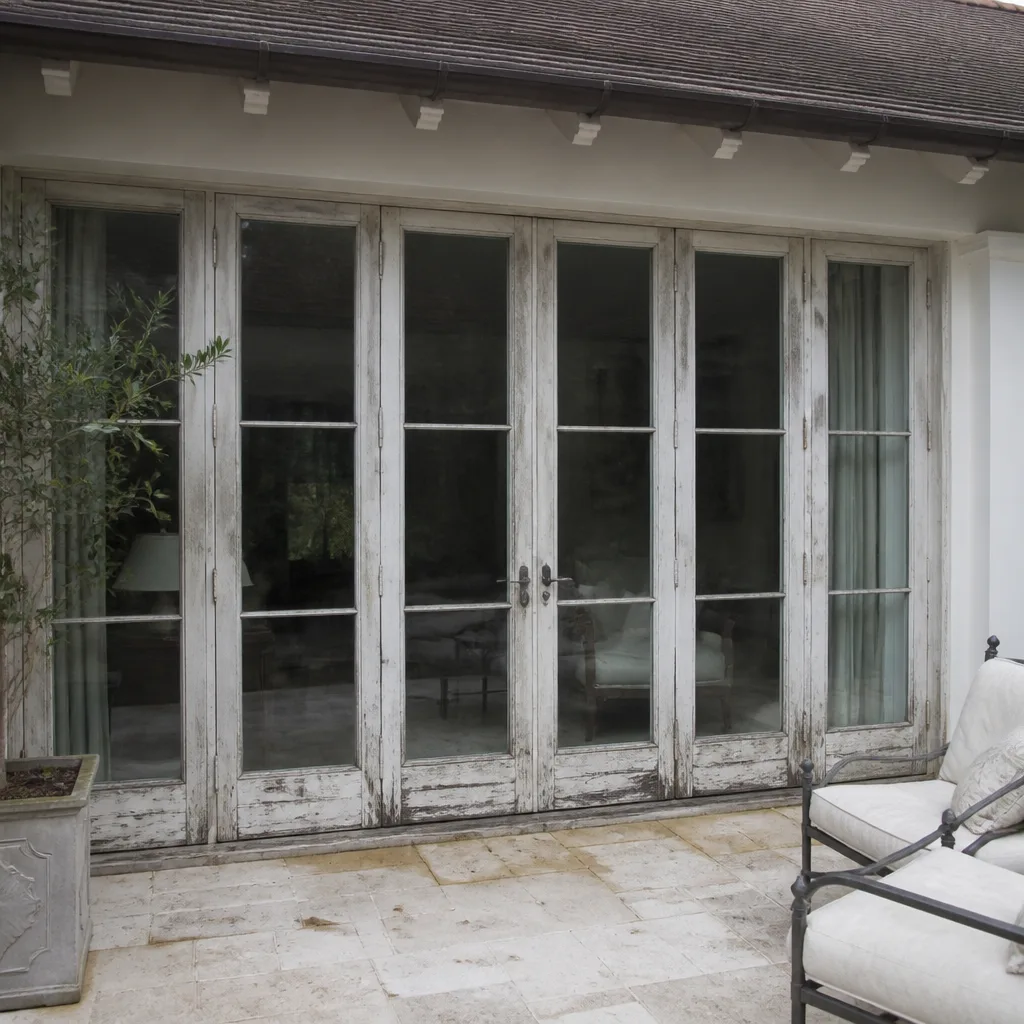 Before
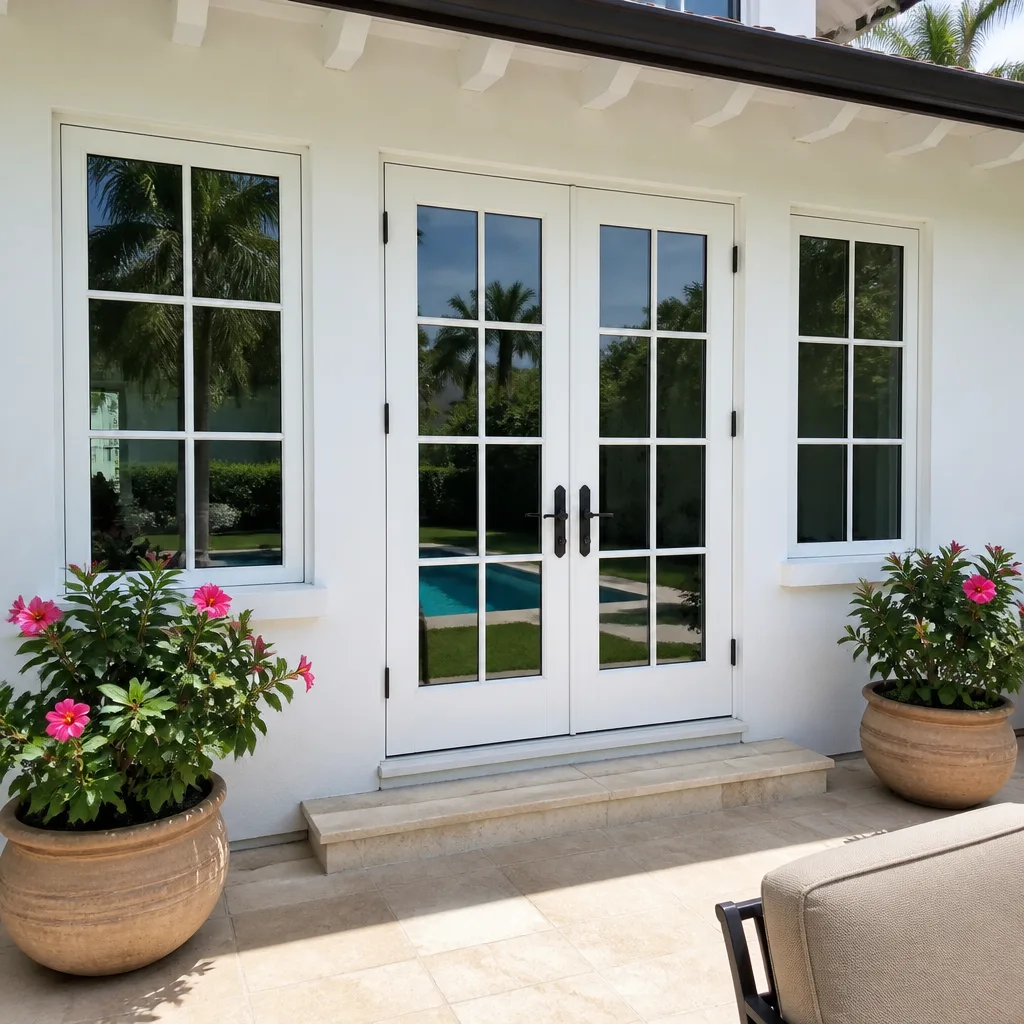 After
After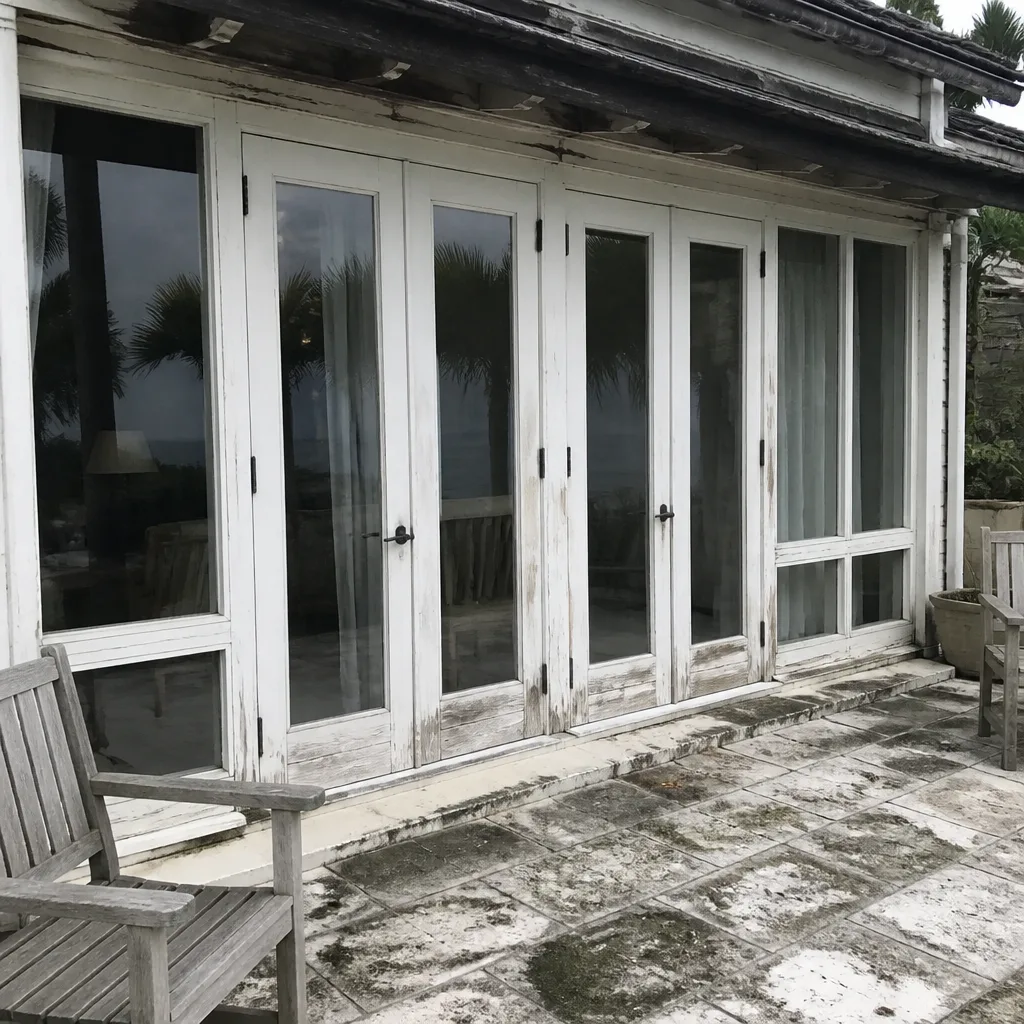 Before
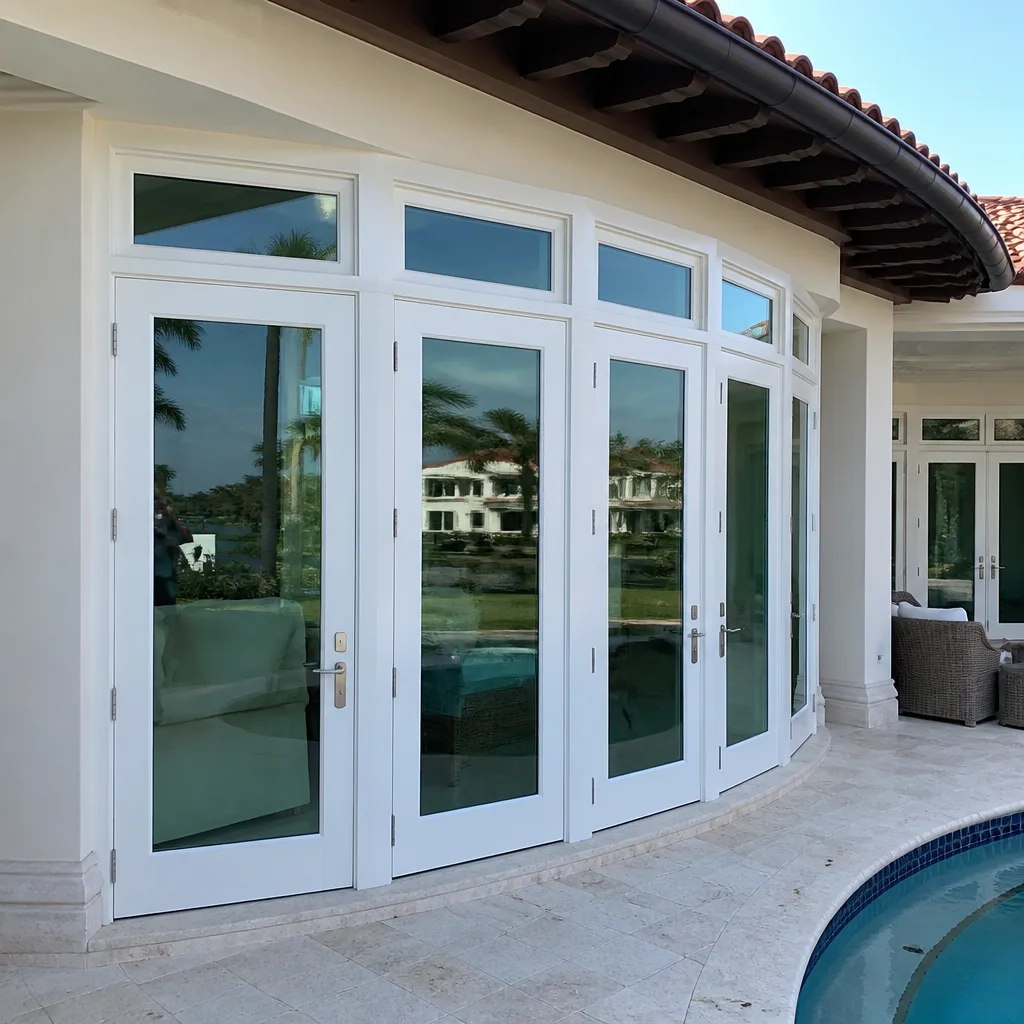 After
AfterThe Complete Guide to Windows & Doors in Palm Beach
Most national buying guides were written for Chicago or Phoenix climates. They talk about R-values and winter heat loss as if February in Palm Beach looks like February in Milwaukee. It doesn’t. Palm Beach sits in a coastal High-Velocity Hurricane Zone where salt-spray corrosion rates can void a window warranty in under five years if you choose the wrong frame material. This guide is built for the conditions we actually live with: salt air, 150-mph wind codes, and historic-district rules that change what you’re allowed to install on a street-by-street basis. By the time you finish reading, you’ll know how to choose products that survive here, pass inspection here, and hold their value here.
Quick Answer
A Palm Beach window or door purchase comes down to three interacting decisions: choosing a product with a valid Miami-Dade or Florida Building Code NOA (Notice of Acceptance) for the High-Velocity Hurricane Zone, selecting a frame material that can take decades of salt air without corroding, and matching the style to your property’s historic-district status where applicable. Expect to spend $900 to $2,800 per opening for impact-rated windows installed, and $2,500 to $7,500 for impact-rated entry or French doors, depending on size and wind-load requirements. The quickest way to avoid a costly mistake is to verify the NOA before you fall in love with a product, not after.
Table of Contents
- Why Palm Beach’s HVHZ Designation Changes What You Can Buy
- Salt Air: The Warranty Killer Most Guides Ignore
- Historic Districts and the Landmarks Preservation Commission
- The Real Cost Difference: Minimum Code vs. Premium Impact Glass
- How to Sequence Windows, Doors, and Roofing
- Frame Materials Compared for Palm Beach Conditions
- Energy Efficiency in a Cooling-Dominated Climate
- Common Mistakes to Avoid
You can read this guide straight through or browse our more guides & resources, or jump to the section that matches the decision you’re facing right now. Each section works on its own, because sometimes you’re shopping for one window and sometimes you’re planning a whole exterior.
Why Palm Beach’s HVHZ Designation Changes What You Can Buy
Palm Beach County is one of only two counties in Florida governed by the High-Velocity Hurricane Zone provisions of the Florida Building Code. Think of HVHZ as a separate, stricter codebook layered on top of the standard one. If a window or door doesn’t carry a valid NOA (Notice of Acceptance) from Miami-Dade County or the Florida Building Commission, it cannot legally be installed here. That’s not a preference. A permit won’t be issued. An inspection won’t pass. An insurance company may deny a claim over it.
Here’s the three-step verification process we walk every homeowner through:
- Ask for the NOA number. Every impact-rated product has one. If a salesperson can’t produce it, walk away.
- Look up the NOA online. Miami-Dade maintains a public database. You want to confirm the product is approved for HVHZ applications, not just “impact-rated,” because the two aren’t the same thing.
- Check the wind-load rating against your specific opening size. An NOA covers particular frame sizes and glass configurations. A larger window may need a heavier frame or thicker laminated glass at your elevation and exposure category.
What trips up a lot of homeowners is buying a national-brand window that’s “impact-rated” but only approved for use in the non-HVHZ parts of Florida, like Orlando or Tampa-a mistake our How to Hire a Windows & Doors Contractor in Palm Beach: A Step-by-Step Guide helps you avoid. Palm Beach wind pressure calculations run higher because of our coastal exposure. That’s why big-box stores will happily sell you a window that a Palm Beach building inspector won’t sign off on. The box store doesn’t pull the permit. We do.
This is exactly why our Impact Windows in Palm Beach page gets into the brands we install: CWS, CGI, PGT, ES Windows, ECO Window Systems, Mr-Glass, Therma-Tru, and ViewLux. Every one of them carries HVHZ-approved NOAs, and we match the specific product line to your opening dimensions rather than assuming one size fits all.
Salt Air: The Warranty Killer Most Guides Ignore
Here’s a sentence that should be printed on every window brochure sold within five miles of the ocean: aluminum frames within 1,500 feet of salt water will show pitting and corrosion within three to seven years unless they’ve been specifically coated for marine environments. The standard AAMA 2603 finish on entry-level aluminum simply doesn’t hold up here. The pitting starts as tiny white spots on the bottom rail, then spreads. Once the finish breaches, the raw aluminum oxidizes, the frame weakens, and your warranty claim gets denied for “environmental exposure.”
What we’ve observed in homes throughout Palm Beach, from the condos on South Ocean Boulevard to the estate neighborhoods around the Everglades Golf Course:
- Within 1,000 feet of the ocean or Intracoastal: Standard aluminum shows visible finish degradation in roughly three to five years. You need AAMA 2604 or 2605 finishes, or marine-grade vinyl, or fiberglass.
- 1,000 to 3,000 feet out: Standard aluminum lasts longer, usually seven to ten years before visible wear, but the warranty fine print still excludes corrosion unless you bought the upgraded finish.
- 3,000+ feet inland (west of I-95, for example): Salt exposure drops significantly. Standard finishes hold up acceptably, though afternoon thunderstorms still put moisture through every seam.
Vinyl frames have a different salt-air problem. Vinyl doesn’t corrode, but it expands and contracts more than aluminum. In direct coastal sun, dark-colored vinyl can warp subtly enough to move the sash out of square, which breaks the weather seal and makes the window whistle in wind. Light-colored vinyl holds up fine. Fiberglass, whether it’s from PGT’s WinGuard line or another of our authorized brands, offers the best dimensional stability of all three, but it’s also the most expensive per square foot.
Our team installs ES Windows and ECO Window Systems in a lot of the direct-oceanfront properties along the North End because their aluminum frames come with marine-certified coatings right out of the factory. You pay a premium, but you aren’t replacing the frames in eight years.
Historic Districts and the Landmarks Preservation Commission
Palm Beach is a town that takes its architectural character seriously, and nowhere is that more evident than in the historic districts overseen by the Landmarks Preservation Commission. The Phipps Plaza Historic District, the Royal Park Historic District, and a handful of individually designated landmarks all impose restrictions on what you can install. If your property sits in one of these zones, you’ll file a Certificate of Appropriateness before pulling a building permit, and the Commission will have opinions about your window style, your frame material, your muntin profile, and even your glass tint.
What we’ve learned from working on these properties is that the Commission isn’t trying to block modern impact protection. They’re trying to protect sight lines. A 1920s Mediterranean Revival home with thin steel casement windows looks wrong with bulky white vinyl double-hungs, and the Commission knows it. The solution is usually an aluminum impact window from a manufacturer like CWS or ES Windows that can be ordered in custom colors and narrow sight lines that read as original from the street.
Three realities to plan around if you own a designated historic property:
- The review adds time. A standard window replacement can be permitted in a matter of days. A historic review typically adds two to six weeks, sometimes longer if the Commission asks for revisions.
- You may be required to repair rather than replace. The Commission’s default position on original wood windows is to repair them where feasible. If repair is structurally unsound, replacement becomes the conversation.
- The glass still has to be impact-rated. Historic designation doesn’t exempt you from HVHZ code. You get historic looks and modern protection, which narrows the field to manufacturers who offer both.
If you’re in a historic district, start your project by talking to the town’s preservation officer. It’s a free conversation that saves you from buying windows the Commission will reject. And if you’d rather have someone else work through the COA process, we handle that paperwork alongside the permit. You can read more about how we approach those installations on our Window Installation in Palm Beach page.
The Real Cost Difference: Minimum Code vs. Premium Impact Glass
Every impact window sold in Palm Beach clears the same legal bar. What differs is how far above the bar you choose to build. The price difference between a minimum-code impact window and a premium one isn’t about whether they both survive a hurricane. It’s about how they perform across the long tail of everything short of a named storm, and how much glass clarity you get for the money.
Here’s a realistic cost table for a standard 36-by-60-inch single-hung window, installed:
- Minimum-code impact laminated, standard aluminum frame: $900 to $1,400 per window. Meets code, laminated glass is 5/16-inch total, basic AAMA 2603 finish.
- Mid-range impact laminated, upgraded aluminum frame: $1,500 to $2,100 per window. Heavier glass, AAMA 2604 or 2605 finish, better sound attenuation, longer warranty.
- Premium impact laminated, reinforced or thermally broken aluminum frame: $2,100 to $2,800 per window. Maximum wind-load capacity, marine-grade finish, lowest air infiltration, highest energy performance.
The slide toward premium typically runs higher in Palm Beach for two reasons. First, the coastal wind-borne debris zones near the water require higher design pressures, and that means heavier laminated glass. Second, quieter glass matters more when you’re paying Intracoastal-frontage prices: the difference between standard 5/16-inch impact laminate and premium 7/16-inch impact laminate is genuinely audible, especially on nights when the wind is up.
A note on the “minimum-code” column: there’s nothing wrong with it. Those windows pass inspection and do their job in a storm. The issue is that minimum-code products in a salt-air environment age quickly, and you’ll pay the difference later in replacement costs. We’re happy to quote both tiers so you can see exactly what the upgrade buys you. What we won’t do is push a premium product on a home four miles inland where the salt load doesn’t justify it.
How to Sequence Windows, Doors, and Roofing
If you’re replacing windows, doors, and a roof in the same five-year span, the order matters more than most homeowners assume. On homes with barrel tile roofs, the roof-to-wall flashing detail actually overlaps the top of the window frame on some elevation styles. If you install windows first, the roofer may have to remove and re-set the top trim to properly flash the roof edge, and you’ll pay for that labor twice.
Best sequencing for a full exterior protection project in Palm Beach:
- Roof inspection and replacement first. The roof drives water away from the walls. Getting it watertight before touching windows and doors protects the new openings beneath it.
- Windows and doors second. With the roof sealed, you can remove old openings without worrying about stormwater intrusion from above. Your window contractor can also coordinate flashing tie-ins with the new roof edge while both crews understand the final water path.
- Stucco repair and paint last. Impact window installation is heavier work than standard replacement. Expect some stucco patch at the perimeter, especially on masonry walls. Paint after the patch cures, not before.
If budget forces you to phase the work, do the roof and any openings on the prevailing storm side (east and southeast in Palm Beach) first. That’s where wind-driven rain hits hardest. Phase the west and northwest sides later.
One more thing: combining all three scopes under one contractor saves you money. When we handle the Window Replacement in Palm Beach and roofing together, we only mobilize the crew once, only pull permits once, and only pass one set of inspections on one schedule. Splitting the scopes across three different companies means three mobilizations, three permit fees, and three opportunities for finger-pointing when a leak appears.
Frame Materials Compared for Palm Beach Conditions
Every frame material has a vulnerability profile in our climate. The trick is matching the material to your distance from salt water, your home’s architectural style, and your budget. Here’s how we break it down for Palm Beach buyers:
- Marine-grade aluminum: The default choice for direct oceanfront in Palm Beach. Highest dimensional strength, takes custom finishes and narrow sight lines. From brands like ES Windows, CWS, and ECO Window Systems. More expensive than standard aluminum, but it holds up.
- Standard aluminum: Fine for inland Palm Beach locations west of I-95. Budget-friendly. Avoid within visible distance of salt water unless you’re prepared to replace frames early.
- Vinyl: Best budget option for inland locations. Resists corrosion, insulates well, but doesn’t love direct coastal sun. Light colors only. The big brands, like PGT, make strong vinyl impact products.
- Fiberglass: The highest-performing material across every metric, and priced accordingly. Minimal expansion and contraction, paintable, strong. Excellent for high-end properties. Available through select authorized lines, though the premium is real.
What about wood? We almost never recommend wood windows in Palm Beach. Termites, humidity, and wood rot are a year-round triple threat. When we work on historic properties, the Commission-preferred route is an aluminum window in a wood-look finish, not actual wood. Wood doors like Therma-Tru fiberglass-entry systems are a different conversation, because the fiberglass composite solves the rot problem while looking convincingly like wood from the curb.
Energy Efficiency in a Cooling-Dominated Climate
Energy guides written for northern markets obsess over winter heat retention. In Palm Beach, the game is reversed: you’re fighting solar heat gain, not heat loss. The single most impactful metric on a Palm Beach window isn’t U-factor. It’s the Solar Heat Gain Coefficient, the SHGC number printed on the window’s NFRC label.
A lower SHGC means the window blocks more incoming solar radiation. In Palm Beach, you want SHGC at or below 0.25 on east-facing and west-facing windows, and 0.30 or below elsewhere. Most impact windows with a reflective low-e coating land in that range. Windows without low-e will roast a west-facing room every summer afternoon and drive your AC bill through it.
Here’s the subtle part: impact laminated glass naturally reduces SHGC because the laminate scatters incoming radiation. But not all laminates are created equal. A basic impact laminate without a low-e coating might have an SHGC around 0.35, which still lets too much heat into a western exposure. Adding low-e drops it to 0.22 or lower. The upgrade costs a bit more per window but pays back in reduced AC load within a few years, especially on the big fixed-glass panels so common in Palm Beach architecture.
If you’re wondering whether your existing windows are underperforming, stand near a west-facing window at 4 p.m. in August. If you can feel the heat radiating through the glass from two feet away, your SHGC is too high. That’s the test we’ve run on hundreds of homes from the Estate Section down to the South End, and it’s the most common reason we quote energy-focused replacements.
Common Mistakes to Avoid
- Buying a product without verifying its NVOA. Buyers assume anything sold in Florida is legal in Palm Beach. It isn’t. We see this every month: a homeowner buys windows online, applies for a permit, and the product has no valid NOA. The windows sit in the garage while the buyer scrambles.
- Choosing black frames on a south-facing wall. Dark frames absorb direct sun and thermal-expand enough to affect the weather seal. In Palm Beach’s summer, that’s a year-round problem, not a seasonal one.
- Ignoring the historic designation until after the purchase. If your home is in a designated historic district, the Commission’s aesthetic requirements come before code compliance in the workflow. Buy first, ask later usually means returning product.
- Fixing the roof after replacing the windows. Water always finds the seam between roof and wall first. If your roof has even minor leaks, new windows will get damaged from above before the roof gets fixed.
- Under-buying on south-facing openings. Palm Beach homes with large south-facing glass, especially around the lakefront, need LV-U-factor codes on the glass. A single standard pane can create a solar oven in a room you can’t cool.
- Assuming all installers know HVHZ code. National chain installers often send a crew from elsewhere in Florida who are used to non-HVHZ counties. They’ll install product that doesn’t pass Palm Beach inspection. Then they’ll be gone, and the problem is yours.
When to Call a Professional
You should call a professional the moment any of these apply: you see condensation between the glass panes (that’s a failed seal, not a cleaning issue), you can feel air moving around a closed window, your window or door is original to a home built before the 1994 Florida Building Code updates (meaning it’s almost certainly not impact-rated), or you’re planning any project in a historic district where the permit path is unfamiliar. Impact window and door installation is not a DIY job, full stop. The glass panels are heavier than most people expect, the anchoring requirements are specific, and a lost panel during installation can cause serious injury. Winslow Windows & Doors offers free estimates in Palm Beach, call (561) 831-7863 to schedule a visit.
Frequently Asked Questions
You can use either, but impact windows protect you every day of the year, not just the hours before a storm. Shutters only work when someone is home to deploy them. Impact windows are always on, which is why most Palm Beach insurance carriers offer better premium credits for impact-rated openings than for shutter systems, provided you follow a solid Impact Windows Maintenance Checklist for Palm Beach Homeowners. Many of our coastal customers do both: impact windows as the first line and decorative shutters as the architectural layer.
For an average 2,000-square-foot Palm Beach home with 12 to 18 openings, expect $18,000 to $38,000 for impact-rated replacement windows, depending on the product line, building elevation, and historic-district requirements. The range is broad because oceanfront properties in the HVHZ wind zones often require heavier laminated glass and marine-grade frames. Call (561) 831-7863 for a precise quote. Estimates are free, and we itemize every opening so you can see exactly where your money goes.
No, not with us. Our quotes are fixed. The only circumstance that changes price is if the owner changes scope (adds a window, upgrades a product, or asks for an additional opening). We detail every cost in a written line-item quote before the contract is signed. The price on the contract is the price on the invoice.
Yes. Every installation we do in Palm Beach gets the required building permit, and we schedule the inspections. This is one of the things that separates a legitimate Palm Beach contractor from a fly-by-night operation. The permit process also creates a public record confirming your windows meet current HVHZ code, which your insurance company will want to see.
They’re all authorized brands we install, but each has strengths. PGT’s WinGuard line is the volume leader with strong value for inland Palm Beach homes. CWS builds heavier aluminum frames suited to coastal exposure. ES Windows and ECO Window Systems offer high-design aluminum products with marine finishes and narrow sight lines popular in luxury and historic-renovation work. Mr-Glass specializes in custom and geometric shapes when standard rectangles don’t fit the architecture. We match the brand to your home’s elevation, distance from salt water, and style rather than pushing one brand for every job.
Most single-home window replacements across 10 to 20 openings take two to four working days once the products arrive. Custom-order impact windows from our authorized brands typically run four to eight weeks from order to delivery, and historic-district approvals can add additional lead time. We’ll give you a firm schedule when you approve the quote.
The Bottom Line
Windows and doors in Palm Beach aren’t a commodity purchase; they’re a structural and insurance decision governed by one of the most stringent building codes in the country, an unforgiving marine environment, and a town that protects its architectural character. The products that work in Orlando or Tampa often don’t meet HVHZ requirements here, and the cheapest option frequently turns into the most expensive once salt air and warranty exclusions do their work. Get the NOA verified, check the SHGC, respect the historic districts, and sequence your exterior project from the roof down. If you’d rather not manage any of that yourself, we’ve been helping Palm Beach homeowners since 2011 with windows, doors, and roofing done right the first time. Call (561) 831-7863 for a free estimate, or start reading more on our Winslow Windows & Doors home page.
Written by Ed Winslow, Owner at Winslow Windows & Doors, serving Palm Beach since 2011.
Six Reasons Homeowners Choose Winslow Windows & Doors
Impact systems engineered to design pressures up to +/-100, matched to your wind zone - your openings hold when the storm arrives.
Low-E insulated impact glass from our manufacturer lines commonly cuts monthly cooling bills 20-30%.
Laminated impact glass shuts out up to 40% of outside noise - traffic, neighbors, weather.
Monitoring services run $30-90 a month. Laminated impact glass resists forced entry around the clock, with no subscription.
Florida homeowners average around 25% savings on the windstorm portion of their policy after protecting every opening - some homes qualify for more.
A full impact package upgrades curb appeal, buyer confidence and appraised value in one project.