
Last updated August 27, 2026
Free in-home measure and quote - PGT, CGI and CWS impact lines compared on your actual openings, style by style
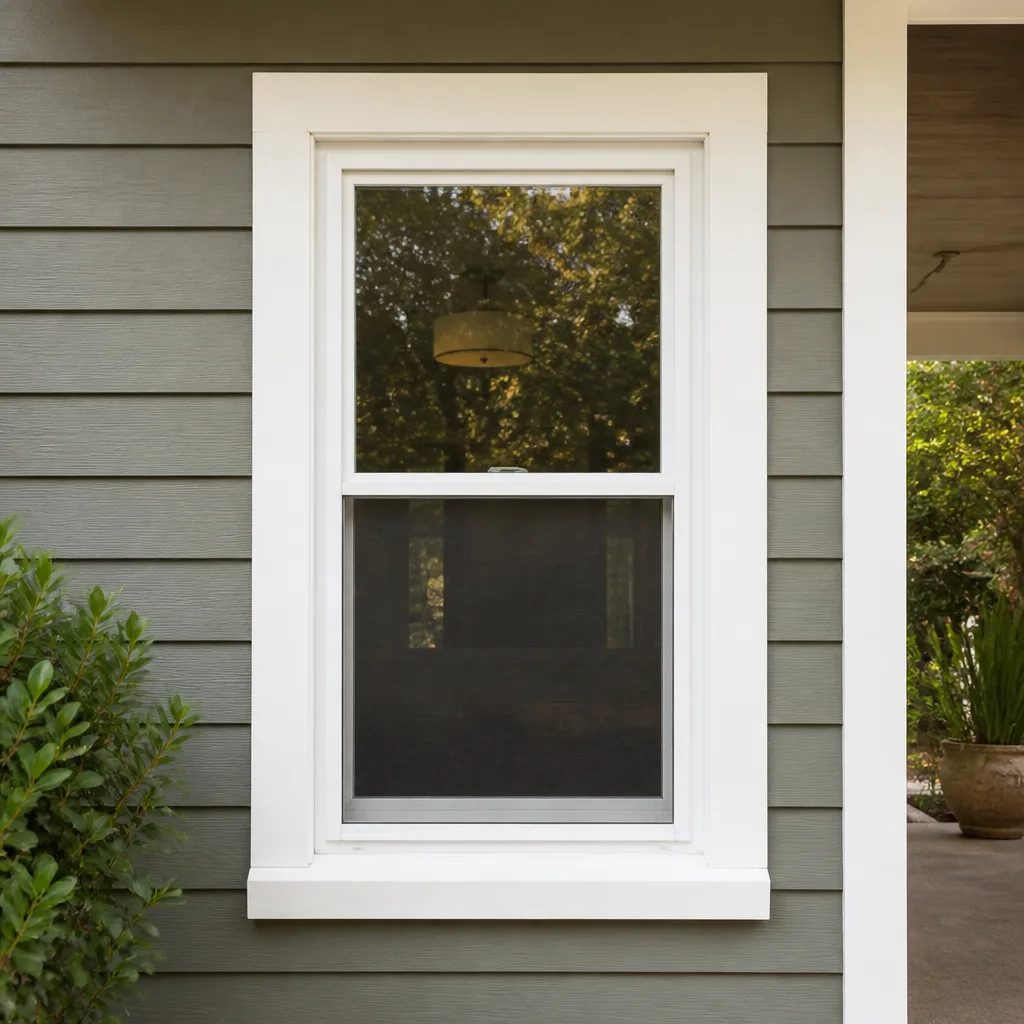

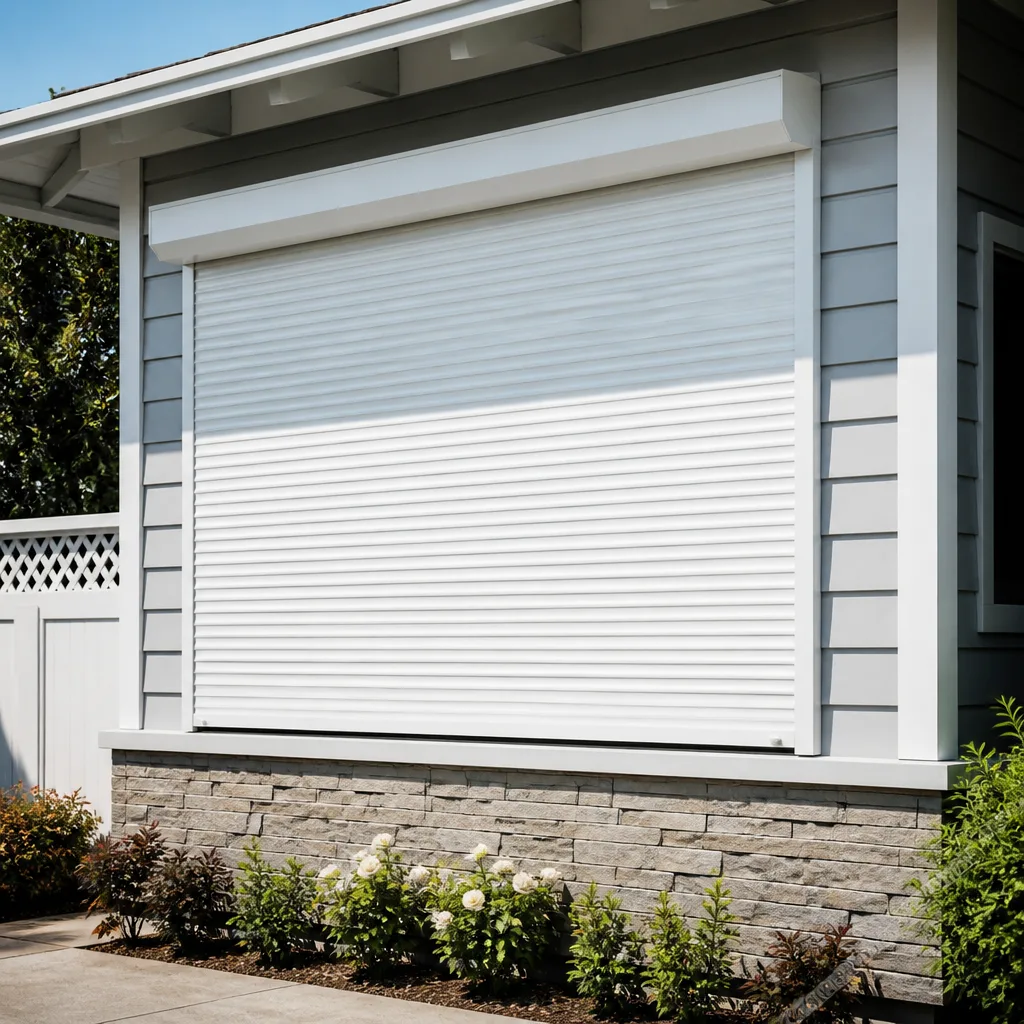

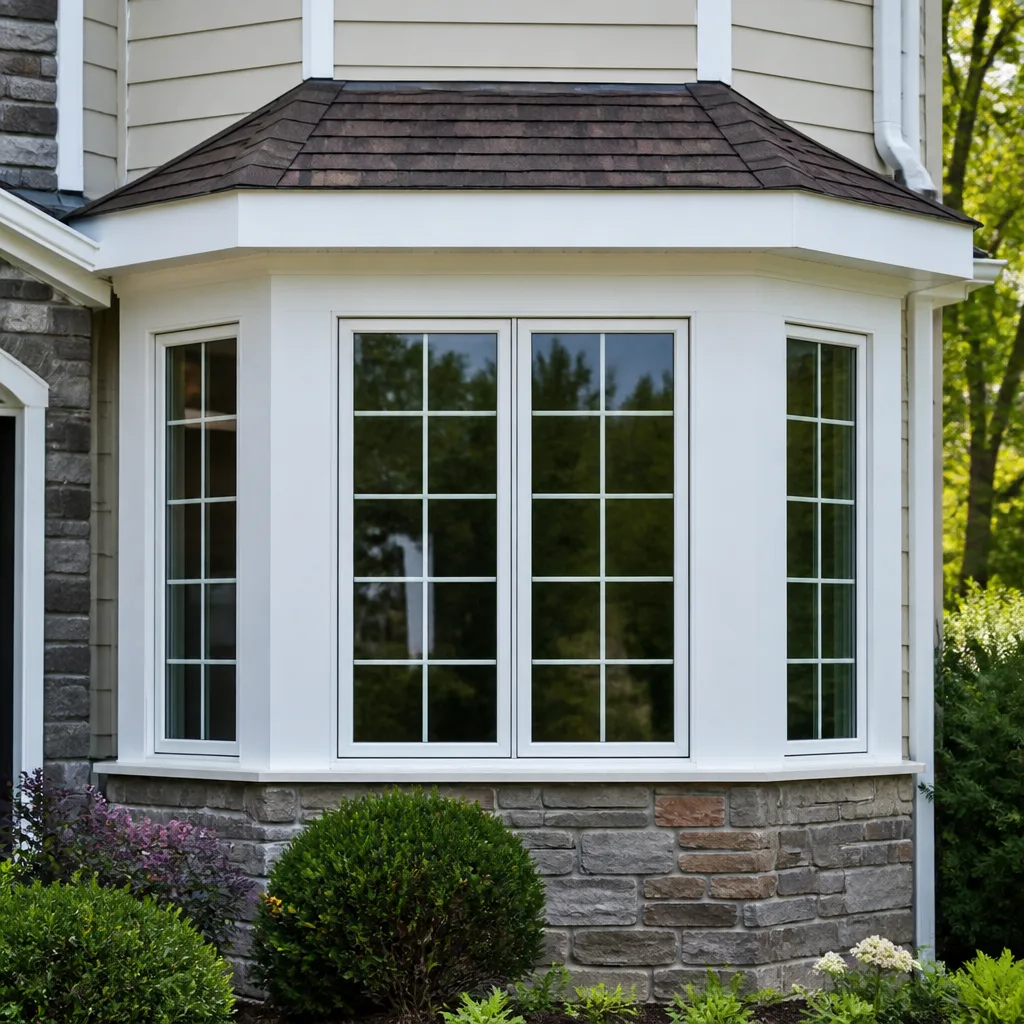

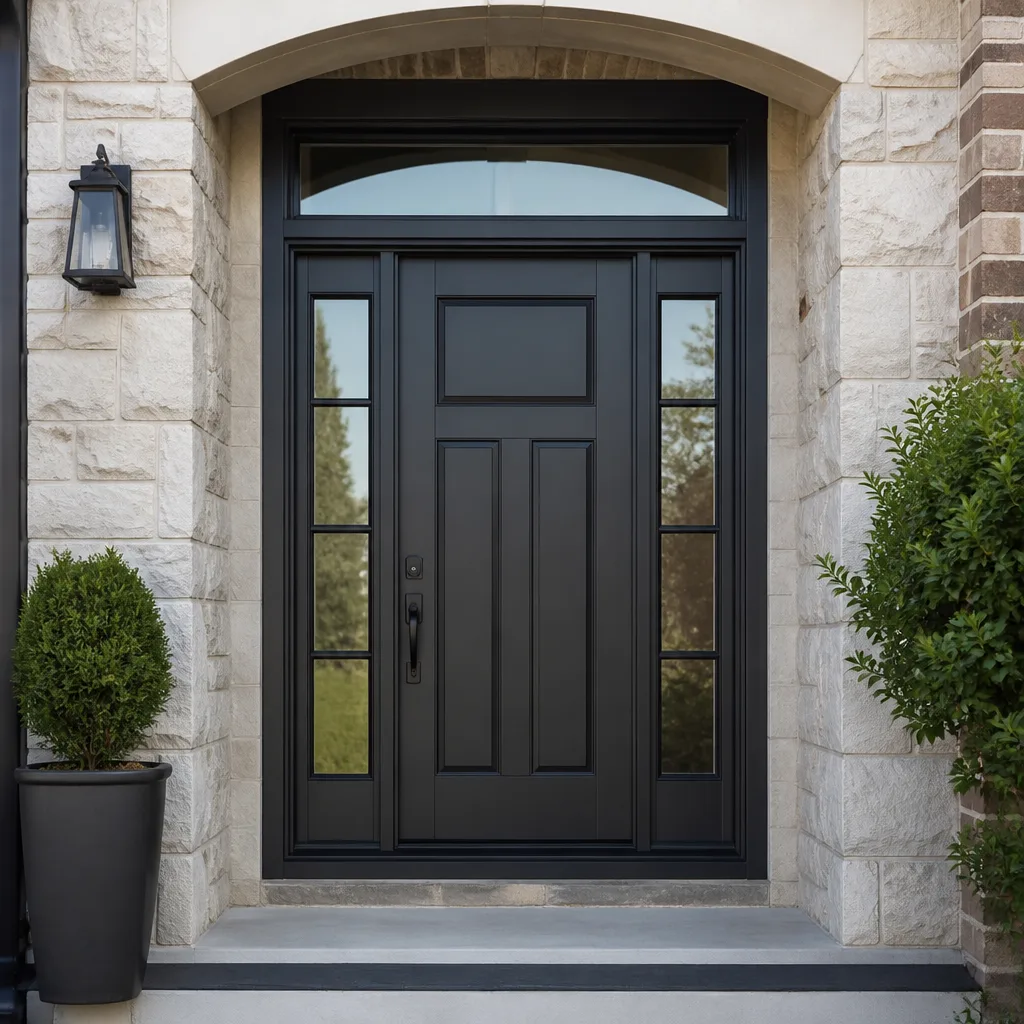

 Before
 After
After Before
 After
After Before
 After
AfterImpact Windows Maintenance Checklist for Palm Beach Homeowners
The phrase “impact windows are maintenance-free” is the most expensive myth in South Florida home improvement. Salt air degrades the silicone glazing compounds and weep hole channels that keep your windows watertight - quietly, invisibly, until you see water staining on your interior drywall. By then, the fix is rarely a cleaning. It’s a full glazing reseal, a sash rebuild, or a window replacement that could have been prevented with ninety minutes of work a year.
This guide is the maintenance protocol we’ve developed at Winslow Windows & Doors after fifteen years of watching Palm Beach salt air do its worst. We’ll walk you through the exact checklist our own technicians follow when servicing impact windows in Palm Beach, the cleaning products that won’t destroy your low-e coating, the hardware lubrication mistakes that void warranties, and the seasonal rhythm that keeps a $15,000-$50,000 window package performing like new for decades. No fluff. No upsell. Just what actually works, written by a local company that answers its own phone.
Quick Answer
Impact window maintenance in Palm Beach comes down to five annual or semi-annual routines: clear the weep holes monthly during rainy season, wash glass with ammonia-free cleaner twice a year, lubricate all moving hardware with a dry silicone spray (never WD-40), inspect glazing compound for hairline cracks every spring, and perform a full post-hurricane-season inspection each December. Budget about $50-$100 a year in supplies and three to four hours of your time total. That small investment protects an installation that cost you tens of thousands - and keeps your warranty intact.
Table of Contents
- Why “Maintenance-Free” Is the Most Expensive Myth in Palm Beach
- The Monthly Weep-Hole Inspection: Palm Beach’s Rain-Then-Dry Cycle
- How to Clean Low-E Impact Glass Without Destroying the Coating
- Hardware Lubrication: What to Use and What Will Ruin Your Seals
- Annual Glazing-Compound Inspection: Hairline Crazing vs. Full Reseal
- The Palm Beach Seasonal Maintenance Calendar: Pre- and Post-Hurricane Season
- Frame and Track Care for Aluminum, Vinyl, and Wood Impact Windows
- Common Mistakes to Avoid
- When to Call a Professional
- Frequently Asked Questions
Why “Maintenance-Free” Is the Most Expensive Myth in Palm Beach
Impact windows are engineered to take a 2×4 at 50 feet per second and hold. What they’re not engineered to do is ignore the unique chemistry of Palm Beach’s coastal environment. The salt aerosol that rolls in off the Atlantic settles on every exterior surface - and when rain follows, it wicks into the tiniest channels, gaskets, and glazing beads on your windows. Dry that salt out, and it crystallizes. Repeat that cycle a few hundred times, and the crystals act like micro-abrasives inside your window’s drainage channels.
The result isn’t dramatic. It’s slow. Weep holes clog with a paste of salt, sand, and pollen. Water that should drain to the exterior pools inside the frame. The glazing compound - the silicone or polyurethane seal that holds your impact laminate in place - begins to oxidize. Hairline cracks form. Then the real South Florida problem arrives: humidity. Palm Beach’s average relative humidity sits above 70% for most of the year, and all that moisture is looking for a way into your wall cavity.
When a weep hole fails or a glazing bead separates, water doesn’t just leak onto your windowsill. It migrates into the wall, saturates the insulation, and feeds the mold that Palm Beach building inspectors know all too well. We’ve opened walls in West Palm Beach and Lake Worth where a failed window seal caused $15,000 in hidden damage before the homeowner noticed a single stain. Maintenance isn’t about polishing glass. It’s about catching the failure chain before the first link breaks.
The good news: every step in this checklist is simple enough for a homeowner to do on a Saturday morning. And for the steps you’d rather not do, a local company like Winslow Windows & Doors home provides full-service maintenance inspections as part of our standing service menu.
The Monthly Weep-Hole Inspection: Palm Beach’s Rain-Then-Dry Cycle
Weep holes are the small gaps or slots at the bottom of your impact window’s exterior frame. They exist for one reason: to let water that gets past the exterior gasket drain harmlessly to the outside instead of pooling inside the frame. In most climates, weep holes get inspected yearly. In Palm Beach, that’s not nearly enough.
Palm Beach’s rainfall pattern is a maintenance problem in itself. The summer rainy season delivers sudden, heavy downpours - often an inch or more in an afternoon - followed by intense sun that bakes everything dry within hours. That rain-then-dry cycle is exactly what packs debris into weep holes. The rain loosens pollen, salt crust, sand, and insect debris. The sun bakes it into a hard plug before it has a chance to drain away. A weep hole that was clear in April can be completely blocked by August.
Here’s the monthly protocol we recommend to every Palm Beach homeowner, especially from June through October:
- Identify every weep hole. On most impact windows from PGT, CGI, ES Windows, ES, and CWS, you’ll find two or three weep holes spaced evenly along the bottom exterior track of each sash. Sliding glass doors typically have more. Count them so you know what “clear” looks like.
- Visually inspect each one. Get at eye level with the track. You’re looking for a dark, open slot or hole. If it looks flat, crusted, or solid, it’s plugged.
- Clear with a soft tool only. A wooden toothpick, a pipe cleaner, or a small zip tie works best. You can also use compressed air at low pressure from the exterior. Never use a metal pick, flathead screwdriver, or wire - one slip scores the track finish and creates a rust point.
- Flush the channel from inside. If you can access the interior track of a double-hung or slider, pour about a cup of clean water into the track and watch where it exits. If water doesn’t emerge from the weep hole within 10 seconds, the channel is blocked somewhere inside the frame. That’s a professional-level fix, not a DIY one.
- Check the exterior flap or cover. Some impact windows use weep hole covers - small plastic flaps or screens that keep insects out. If the flap is stuck shut with debris, clean it gently with a soft brush. If the screen is torn, replace the cover.
We’ve been doing maintenance inspections across Palm Beach since 2011, and blocked weep holes are the single most common problem we find - more than failed seals, more than broken hardware. The fix takes five minutes a month. Ignoring it can cost thousands.
How to Clean Low-E Impact Glass Without Destroying the Coating
Almost every modern impact window ships with a low-e (low-emissivity) coating on the interior side of the glass. It’s a microscopic metallic film that reflects heat back to the outside in summer and back inside in winter. It’s a big part of why your energy bills stay sane in August. And it’s surprisingly fragile.
The mistake we see most often from Palm Beach homeowners is using a standard household glass cleaner. Here’s the problem: most big-brand glass cleaners contain ammonia. Ammonia is a strong alkaline compound, and repeated contact with a low-e coating breaks down the thin metallic layers. You won’t see the damage after one cleaning. You’ll see it after three years of routine ammonia exposure, when the coating starts to look mottled or hazy from certain angles and its heat-rejection performance quietly drops.
The correct cleaning protocol:
- Use an ammonia-free glass cleaner. Brands like Sprayway and Hope’s Perfect Glass are widely available and safe for low-e coatings. You can also make your own: one part white vinegar to three parts water, with a few drops of dish soap. That cuts through Palm Beach salt film without damaging the coating.
- Use microfiber or soft cotton cloths only. Never paper towels. Paper towels are wood pulp - slightly abrasive. Over years of use, they micro-scratch the glass and degrade the coating’s uniform surface.
- Clean in the shade or early morning. Palm Beach sun heats glass fast. Cleaning solution flashes off hot glass in seconds, leaving streaks and concentrating whatever residue was in the water. Warm glass also expands, which can stress aging glazing compound at the edges.
- Don’t spray directly on the glass if you can avoid it. Spray the cloth, then wipe. Direct spray can run into the glazing channel where the seal material sits. Some glass cleaners contain surfactants that slowly soften silicone and polyurethane sealants over time.
- Wipe the interior too. Your low-e coating lives on one of the interior glass surfaces. Condensation, cooking residues, and hairspray all build up a film on the inside that degrades coating performance. Twice a year, hit the interior lites with the same ammonia-free cleaner.
If you’ve already used ammonia-based cleaner on your impact windows for years, don’t panic. One deep clean with a gentle solution won’t reverse any damage, but stopping now prevents further degradation. And if you’re replacing windows in Palm Beach, ask your installer which glass surface carries the low-e coating. At Winslow Windows & Doors, we walk every customer through the exact cleaning routine that protects their specific glass package - whether they came to us for our Impact Windows services or any other project - whether it’s from PGT, CGI, or any brand we carry.
Hardware Lubrication: What to Use and What Will Ruin Your Seals
Impact window hardware is not like the hardware on a regular window. Multi-point locking systems, reinforced hinges, and heavy-duty rollers carry far more weight and take more stress. They need lubrication. But the wrong lubricant will do damage that’s invisible until the seal fails around it.
The rule that matters: never use petroleum-based products on impact window hardware. That means WD-40, 3-in-1 oil, motor oil, or any penetrating oil with a petroleum base. These products break down the synthetic rubber gaskets, glazing beads, and weatherstripping they contact. They also attract dust and sand - and in Palm Beach, “dust” means salt spray. The sticky residue left by petroleum lubricants captures salt crystals and holds them against the precise metal edges where they do the most damage.
What to use instead:
- Dry silicone spray. This is the workhorse. It goes on wet, flashes off to a dry lubricating film, and won’t attract debris. Look for a food-grade or marine-grade silicone if possible - those formulations are designed for exactly the kind of salt-air environment Palm Beach delivers. Apply to hinge pivots, lock points, and the multi-point lock mechanism inside the sash.
- White lithium grease in a tube. For sliding glass door rollers and heavier hinge assemblies. Apply sparingly with a toothpick or cotton swab - you want a thin film, not a glob. Excess grease gets flung off the roller and into the track, where it mixes with sand and becomes a grinding paste.
- PTFE (Teflon) dry lube. Great for lock cylinders and tight pivots where silicone spray doesn’t hang around long enough. It’s also non-sticky, so it doesn’t collect salt.
How often depends on proximity to salt water. If you’re within a mile of the ocean - or on a canal, the Intracoastal, or Lake Worth Lagoon - lubricate every four to six months. Homes further inland can stretch to annual lubrication. If a hinge squeaks, a lock feels gritty, or a roller drags, lubricate it now. Waiting until the hardware binds is how you end up with sheared lock gears and warped sashes that need full replacement.
Annual Glazing-Compound Inspection: Hairline Crazing vs. Full Reseal
Glazing compound is the material that seals the impact-rated laminated glass unit into the window frame. It keeps water out of the gap between glass and frame, and it helps the window flex as a unit when the glass takes an impact. In Palm Beach’s salt environment, glazing compounds age faster than the rated lifespan suggests. The annual spring inspection is your chance to catch the problem while it’s still cosmetic.
Here’s how to tell the difference between hairline crazing (watch it) and a full reseal job (call someone):
What hairline crazing looks like
Run your thumbnail gently along the glazing bead - the visible line of compound where glass meets frame. Hairline crazing shows as very fine, shallow surface cracks, shorter than a quarter inch, usually running parallel to the frame edge. They don’t form a continuous line. You can’t get your fingernail into them. This is normal cosmetic aging and doesn’t require immediate action, but you should note where it is and photograph it so you can monitor year over year. If the cracking hasn’t progressed next spring, the window is fine.
What a full reseal looks like
Deep separation: you can slide the edge of a business card into the gap. Continuous cracking: the fine lines have joined into a single crack running more than two inches along the frame edge. Color change: the compound has turned chalky white, rough, or shrunken in from the frame edge. Water movement: after a rain, you see moisture trapped between the glass and frame, or a water line has formed on the interior sill.
Any of these signals means the weather-seal has been compromised. Palm Beach’s humidity will exploit the breach quickly, and the repair is no longer a maintenance item - it’s a glazing reseal or a sash rebuild. This is skilled work, not a caulk-and-forget fix. The compound must be fully removed, the channel cleaned and primed, and the correct-rated replacement material applied under controlled conditions. Done wrong, a reseal fails within a year and you’ve paid twice.
The good news: most impact windows from brands like PGT and CGI carry warranties that cover glazing failures for a decade or more, provided the homeowner performed reasonable maintenance. Keeping a photographic record of your annual inspections is the best way to prove “reasonable maintenance” if a warranty conversation ever happens. We walk our window installation customers through this documentation process during their final walkthrough - because we know how insurance adjusters think, and we want your warranty claim to survive their scrutiny.
The Palm Beach Seasonal Maintenance Calendar: Pre- and Post-Hurricane Season
Palm Beach has two real seasons: hurricane season and the rebuilding season that follows it. Maintenance should follow the same rhythm. Most homeowners think about pre-season prep. The post-season inspection is actually more important - and it’s the one almost everyone skips.
Pre-hurricane season (May)
Before June 1, walk every opening in your house and complete this checklist:
- Test every window and door for full closing and locking. Multi-point locks should engage at all points, not just the center. If a lock point won’t seat, the sash is slightly misaligned, and that weakens the entire impact assembly.
- Inspect all weatherstripping and gasketing. Run a finger along every gasket. Look for flat spots, tears, or detachment from the frame. Torn gaskets may not fail in a storm, but they degrade wind-pressure resistance, and hurricane-force winds will find the weak point.
- Clear weep holes per the monthly protocol. A clogged weep hole before a tropical storm guarantees water intrusion during it - that water has nowhere to drain except into your wall.
- Lubricate locks and hinges so everything works smoothly under the stress of winds that will push and pull on the sash for hours.
- Photograph every window. Front frame, rear view, interior, and a closeup of the glazing beads. If a storm causes damage, you’ve documented the pre-storm condition. This makes the insurance claim process dramatically smoother.
Post-hurricane season (November or December)
This is the one that prevents catastrophic hidden damage. After the last storm threat has passed, do a complete inspection while the damage - if any - is still fresh:
- Check every sash for movement. Open and close each window fully. Look for binding, grinding, or a sash that suddenly sits differently in the frame. Even a direct hit that doesn’t crack the glass can torque the frame and misalign the hardware.
- Inspect glazing beads on all four sides of every window. Storm-driven rain and flying debris can impact the compound without breaking the glass. New cracks, chips, or separation that appeared during the season tell you that seal was stressed and may now be compromised.
- Water-test the weep system. On a dry day, pour water into the exterior track of each window and watch it drain. If drainage is slow or absent on windows that drained fine in May, something shifted during the season.
- Check for salt accumulation. A full hurricane season deposits a thick salt film on every exterior surface. That’s when the corrosion cycle starts. A thorough exterior wash and window cleaning in November resets the surface for dry season.
- Test all locks under simulated wind load. Push firmly on the closed window from the outside. It shouldn’t flex visibly or rattle more than it did in May. Increased rattling means gasketing has compressed or frames have warped, even if you can’t see the difference.
The post-season inspection catches failures while they’re small and cheap. Skip it, and a stressed seal fails quietly over the next eight months until you discover the water damage in August. That’s the homeowner horror story we hear at least twice a month at Winslow Windows & Doors, and it’s always preventable.
Frame and Track Care for Aluminum, Vinyl, and Wood Impact Windows
Different frame materials age differently in Palm Beach. The maintenance approach you take should match what you have.
Aluminum frames
Aluminum is the most common impact window frame material in Palm Beach because it resists the brutal UV exposure and doesn’t warp. But aluminum has a real enemy here: galvanic corrosion. When raw aluminum meets salt water and a dissimilar metal - like a steel screw or a copper flashing - it creates a small electrical circuit that eats the aluminum. We see it most often on older installations and on homes directly on the water.
Your maintenance jobs: keep the frame clean with a mild detergent and soft cloth, inspect screw heads and hardware joints for white powdery corrosion, and never use abrasive cleaners or wire brushes. If you see pitting or flaking paint, touch it up before the bare metal gets exposed to another salt-air season.
Vinyl frames
Vinyl is forgiving - it won’t corrode or rot. But Palm Beach’s heat can cause thermal expansion and contraction cycles that eventually loosen frame joints. Inspect corners and miter joints each spring for separation. A small bead of exterior-grade silicone caulk can stop a minor gap from growing. Never use expanding foam or construction adhesive on a vinyl frame; both can distort the material and void the manufacturer’s warranty.
Wood frames
Wood impact windows are rare in Palm Beach, but they exist in some of the historic housing stock in neighborhoods like El Cid and the North End. Wood is a capital-M maintenance material here. The salt air dries out wood fibers, and the humidity invites rot. You need to inspect for paint and sealant integrity twice a year, not once, and address any bare wood within weeks. Once rot starts in a wood frame, the only fix is replacement - and that’s typically a custom-milled sash, not something off the shelf.
Interior and exterior tracks
All frame types have tracks, and Palm Beach’s airborne sand is a grinding compound. Vacuum tracks with a crevice tool twice a year - after dusty construction season, and again after hurricane season. Follow with a wipe-down using a damp cloth with mild dish soap. Don’t let water pool in the track. After cleaning, check that weep holes are still clear.
Common Mistakes to Avoid
- Using ammonia glass cleaner on low-e glass. The coating breaks down over time, reducing heat rejection. Switch to ammonia-free formulas and you’ll add years to the coating’s life.
- Lubricating with WD-40 or petroleum oils. These attract the very salt and sand you’re trying to manage, and they degrade the rubber seals they touch. Use only dry silicone, white lithium grease, or PTFE lube.
- Skipping post-hurricane-season inspection. The pre-season checklist is only half the job. Damage that happens during storms is invisible to the naked eye and only shows up months later as a water stain or a fogged window.
- Clearing weep holes with metal tools. A wire or screwdriver scratches the track and starts corrosion. Stick to wooden toothpicks, pipe cleaners, or low-pressure compressed air.
- Letting water sit in a track after cleaning. If it doesn’t drain through the weep holes, you’ve just created a standing pool of saltwater inside your window frame. Flush carefully and confirm drainage before moving on.
- Ignoring hairline glazing cracks until they spread. Photograph them, monitor them, and if they deepen into a continuous line, get a professional evaluation. Waiting until you see interior staining means the wall damage has already happened.
- Assuming every window needs the same maintenance routine. Oceanfront windows age differently than inland windows. A house on Palm Beach’s beach side needs more frequent lubrication and weep-hole clearing than a house in Lake Worth or Wellington. Adjust your protocol to your exposure.
When to Call a Professional
Some maintenance tasks are true DIY work, and some are not. Call a trained window technician when you see: a breached glazing seal that shows deep separation or continuous cracking longer than two inches, water inside the home that traces back to a window or door, visible frame warping, hardware that binds or locks that won’t seat fully, fogging between glass layers (this means the double-glazed seal has failed and the whole sash needs replacement), or any window that won’t close completely after a storm or impact. These are structural and weather-resistance issues, and getting them wrong is expensive. A professional inspection costs less than a failed repair or an insurance claim denial. Winslow Windows & Doors offers free estimates in Palm Beach - call (561) 831-7863 and a live person will answer, day or night.
Frequently Asked Questions
Twice a year is the minimum for the glass, but the exterior surfaces need more attention if you’re within a mile of the ocean, where salt film builds quickly. Clean the glass with an ammonia-free cleaner every spring and fall, and wipe exterior frames and tracks in between if you notice visible salt buildup. The monthly weep-hole check is separate from glass cleaning and runs all through the rainy season.
Clearing the weep holes. It takes five minutes a month, costs nothing, and prevents the most common and most expensive failure mode we see across Palm Beach. Blocked weep holes force water into the frame and the wall, causing damage that often costs thousands before it’s even visible. If you only do one thing from this checklist, do that one.
No. Windex and most other big-brand glass cleaners contain ammonia, which slowly degrades the low-e coating on the interior glass surface. Use an ammonia-free glass cleaner, or a vinegar-and-water solution with a microfiber cloth. Apply to the cloth and wipe - don’t spray directly onto the glass where it can run into the glazing seal.
Look for three telltale signs: a gap you can fit a card into between glass and frame, cracks that run continuously along the frame edge for more than two inches, or a chalky, powdery appearance on the glazing bead itself. Hairline surface cracks that don’t connect and don’t deepen are cosmetic and fine to monitor. Once the gap opens, call a professional.
Yes. The impact rating covers glass and frame strength, not the longevity of the seals, gaskets, and drainage channels that surround the glass. Palm Beach’s salt air, intense UV, and rain-then-heat cycles put more wear on those components than any storm does. A maintenance-free impact window is a window that’s being quietly damaged every day.
Doing it yourself costs about $50 to $100 per year in supplies: a can of dry silicone spray, an ammonia-free glass cleaner, microfiber cloths, and perhaps a tube of white lithium grease. If you’d rather have a professional handle the annual inspection, most companies in Palm Beach charge between $150 and $300 for a full exterior window and door maintenance visit. For an exact number on your windows, call (561) 831-7863 and we’ll give you a straight answer, free.
The Bottom Line
Impact windows are a five-figure investment in your Palm Beach home, and a small annual maintenance routine is what protects that investment for decades. For more guides & resources on keeping your windows and doors in top condition, visit our blog. Clear the weep holes every month during the rainy season, clean with ammonia-free products twice a year, lubricate with dry silicone only, inspect the glazing compound each spring, and do a complete post-hurricane-season walkthrough every December. It’s about four hours a year and fifty bucks in supplies. For reference, the average failed-seal repair the team at Winslow Windows & Doors handles runs between $500 and $1,800. If you’d like help with any of these steps - or a professional maintenance inspection that covers all of them at once - call (561) 831-7863. Ed Winslow’s name is on the door, and his word stands behind every window.
Written by Ed Winslow, Owner at Winslow Windows & Doors, serving Palm Beach since 2011.
Six Reasons Homeowners Choose Winslow Windows & Doors
Impact systems engineered to design pressures up to +/-100, matched to your wind zone - your openings hold when the storm arrives.
Low-E insulated impact glass from our manufacturer lines commonly cuts monthly cooling bills 20-30%.
Laminated impact glass shuts out up to 40% of outside noise - traffic, neighbors, weather.
Monitoring services run $30-90 a month. Laminated impact glass resists forced entry around the clock, with no subscription.
Florida homeowners average around 25% savings on the windstorm portion of their policy after protecting every opening - some homes qualify for more.
A full impact package upgrades curb appeal, buyer confidence and appraised value in one project.