
Last updated August 27, 2026
Free in-home measure and quote - PGT, CGI and CWS impact lines compared on your actual openings, style by style
 Before
 After
After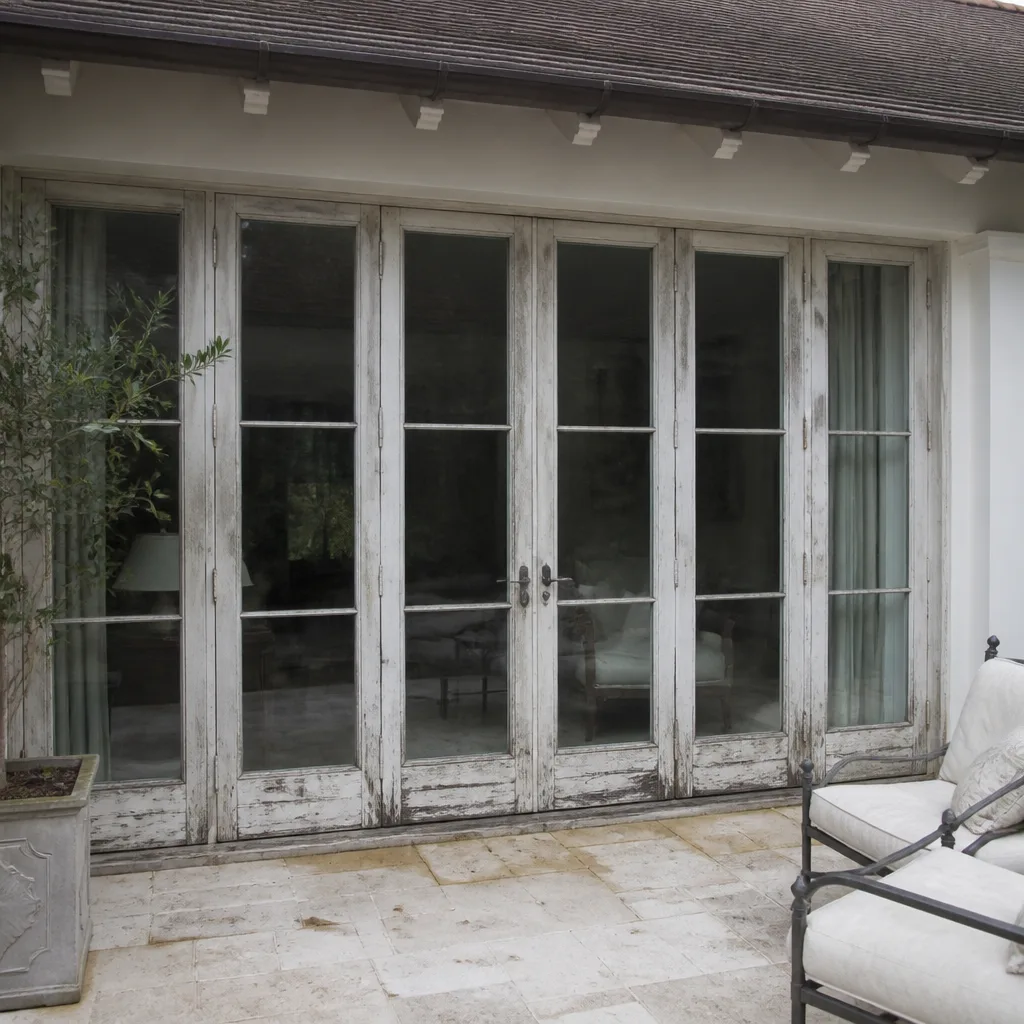 Before
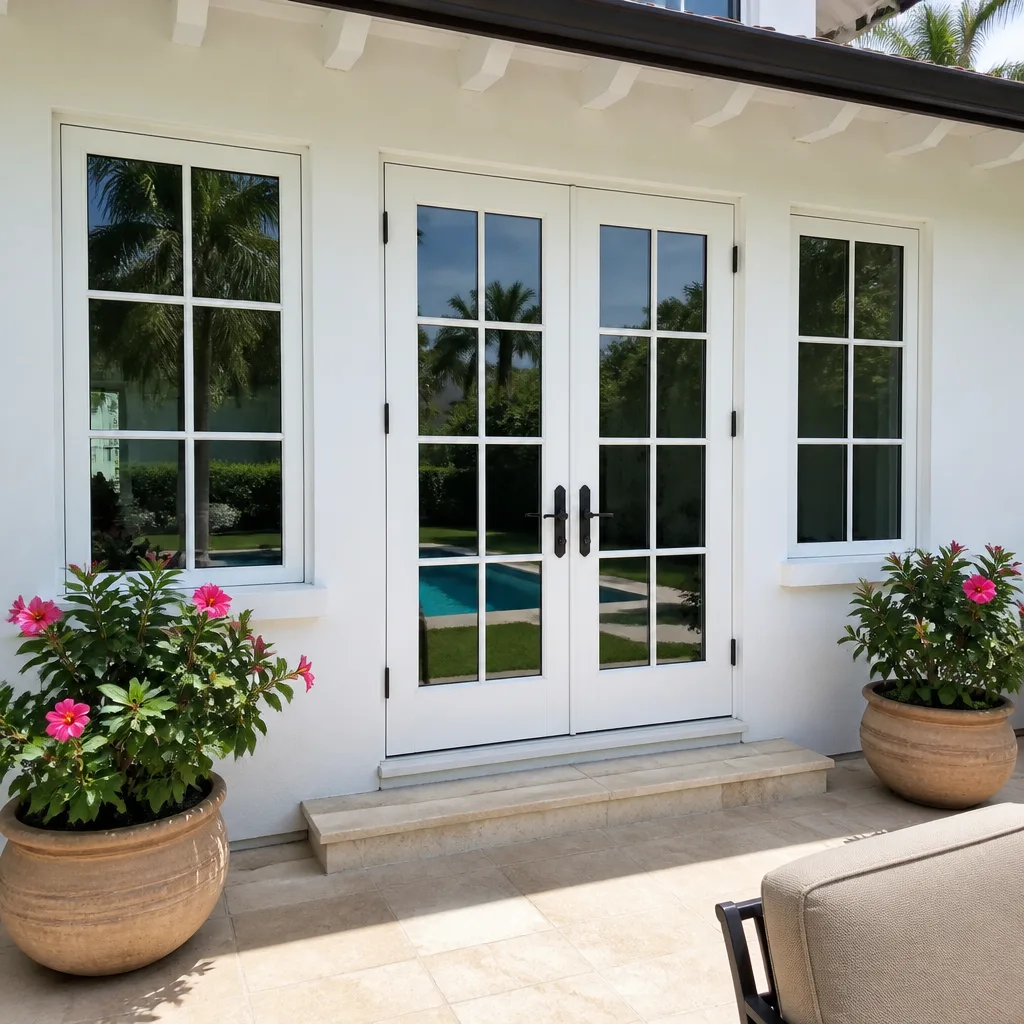 After
After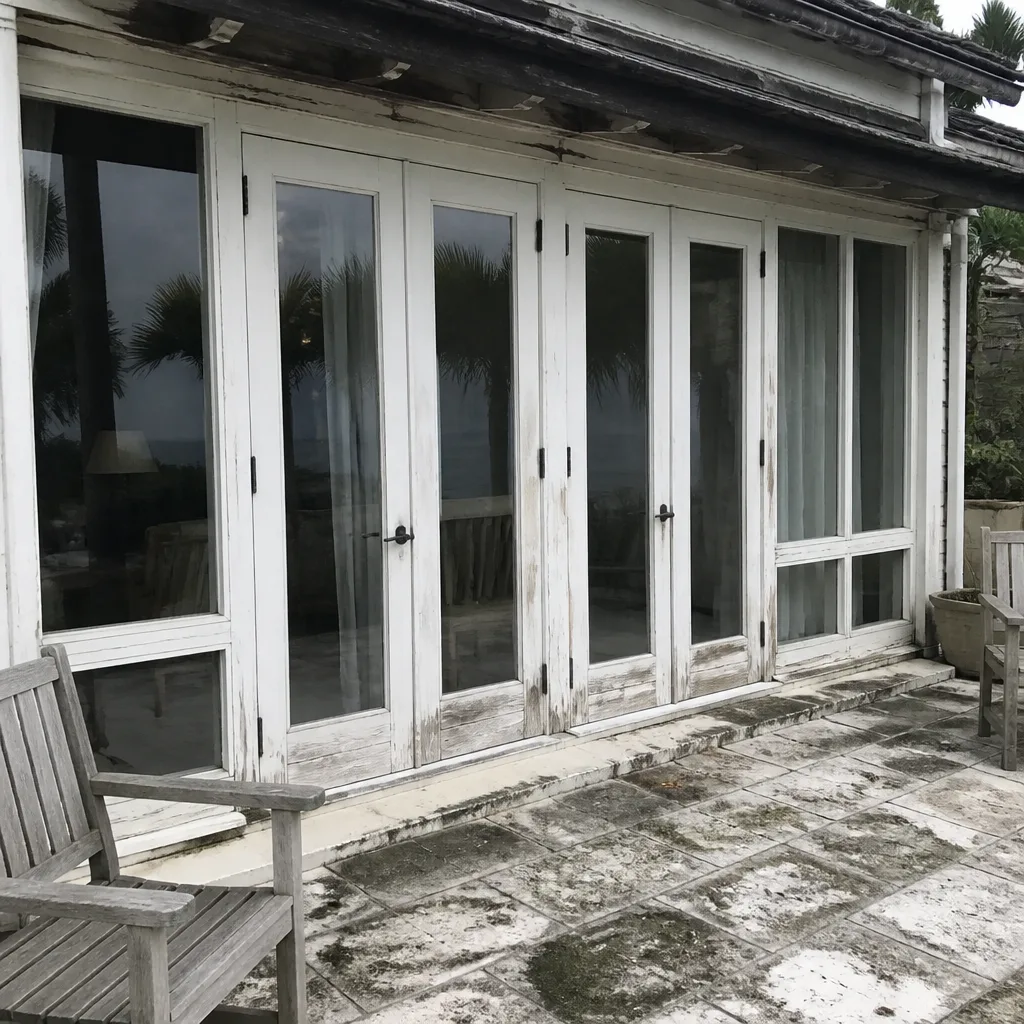 Before
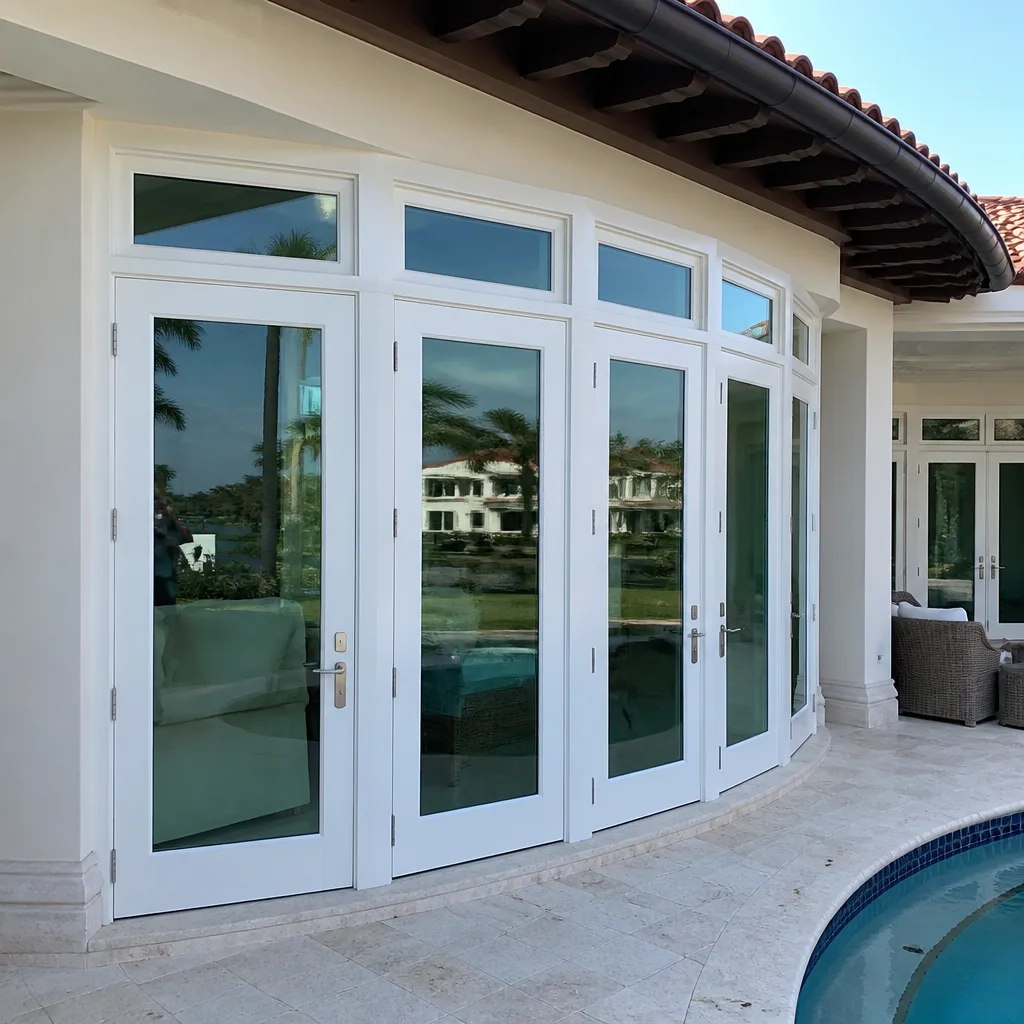 After
AfterSeasonal Windows & Doors Care for Palm Beach: Year-Round Homeowner’s Guide
October is when most Palm Beach homeowners finally walk around the house and inspect their windows and doors. That’s exactly the wrong time. By October, hurricane season has already spent five months doing quiet damage: weatherstripping compressed by heat, weep holes clogged with salt and debris, frame sealants stressed by UV that won’t reveal themselves until a January cold front drives rain sideways and finds the gaps. This guide walks you through the four actual weather phases Palm Beach experiences, the specific checks each phase demands, and the one door component that fails faster here than anywhere else in Florida. For Windows & Doors Warning Signs: A Palm Beach Homeowner’s Reference Guide, see our dedicated resource. If you own a home in Palm Beach and want your windows and doors to outlast the next decade of storms, this is the protocol to follow.
Quick Answer
Palm Beach window and door care works best as four distinct seasonal protocols: a May-June pre-hurricane inspection focused on pressure-rated performance, August-September storm-readiness checks on hardware and locks, November-December post-storm documentation for insurance and warranty purposes, and January-March salt-wind corrosion prevention. Homeowners who treat these as one generic annual task typically discover damage after it has already spread. The single most overlooked component is the door bottom sweep, which Palm Beach sun and occasional flooding destroys in under two years.
Table of Contents
- May-June: The Pre-Season Protocol Most Homeowners Skip
- August-September: Peak-Season Hardware and Lock Testing
- November-December: Post-Storm Documentation for Insurance
- January-March: The Dry-Season Salt-Wind Phase
- The Door Bottom Sweep: Palm Beach’s Fastest-Failing Component
- What “Impact-Rated” Actually Means in Palm Beach
- What Does Seasonal Window and Door Maintenance Cost in Palm Beach?
- Common Mistakes to Avoid
- When to Call a Professional
- Frequently Asked Questions
- The Bottom Line
May-June: The Pre-Season Protocol Most Homeowners Skip
South Florida’s hurricane season officially starts June 1, and every Palm Beach homeowner with impact windows or hurricane-rated doors should complete a six-point inspection before that date. This isn’t about aesthetics. It’s about confirming your windows and doors still perform to their rated pressure differential, and the window for repair work closes fast once the season gets active.
Here are the six checks that determine whether your openings are still doing their job:
- Weep hole clearance. Weep holes at the bottom of window frames and sliding door tracks exist to drain water that gets past the first line of defense. In Palm Beach, they clog with sand, salt, pollen, and lovebug residue. Run a thin wire or pipe cleaner through each weep hole. If water can’t drain, it will find the interior wall.
- Weatherstripping compression. Heat and humidity compress rubber seals over time. Press your fingernail into the weatherstripping around each window and door. If it doesn’t spring back within a few seconds, the material has lost its resilience and won’t seal against wind-driven rain.
- Frame sealant continuity. Walk the perimeter of each window frame and door jamb looking for hairline cracks in the caulk or sealant. Palm Beach UV intensity breaks down exterior sealants faster than in most of the country. A half-inch gap is the difference between a dry room and a water stain on your ceiling during the first named storm.
- Glass date stamp verification. Impact glass carries a permanent marking in the corner identifying the manufacturer, the standard it was tested to (look for ASTM E1886 or E1996), and the pressure rating. If you bought the home with windows already installed and can’t confirm that each marked unit matches what was permitted, call a licensed window professional to verify. This matters for insurance discounts and for actual protection.
- Operational cycle test. Open and close every window and door fully, twice. Listen for grinding, feel for binding, and note any sash or panel that won’t seat cleanly into its frame. A misaligned sash is a breach point regardless of hurricane rating.
- Hardware torque check. Take a screwdriver to every hinge, handle, and strike plate on swing doors and every lock pawl on sliding doors. Two minutes of tightening now prevents a door that rattles out of alignment during September winds.
We perform these six checks daily across Palm Beach homes. The most common failure we find is not broken glass. It’s compromised sealant and clogged weep holes on houses that look perfectly fine from the street. If you’re not comfortable doing these checks yourself, or if you find something concerning, Palm Beach impact windows deserve a professional evaluation before the season peaks.
August-September: Peak-Season Hardware and Lock Testing
By August, Palm Beach enters the statistical peak of hurricane season. The biggest mistake homeowners make during these two months is assuming that because they did a pre-season check in May, they’re done. Peak-season care is not about re-inspecting glass or sealant. It’s about preparing your windows and doors to lock down hard and stay locked for up to 72 hours of repeated pressure cycles.
Here are the peak-season tasks that matter most before a named storm appears on the map:
- Lubricate multi-point lock mechanisms. Multi-point locks on French doors, patio doors, and many Therma-Tru entry doors have multiple pawls that throw into the frame. In coastal air, the internal grease dries out or gets sticky with salt accumulation. A silicone-based dry lubricant applied to each pawl and the lock’s rail system keeps the mechanism from binding. Do this now, not when a storm is 48 hours out and you’re testing the door for the first time since spring.
- Test every multi-point lock three times. Each cycle should be smooth. If you feel resistance on the second or third throw, the door has shifted in its frame or the lock rail needs adjustment. This is the exact failure mode that leaves a door partially locked during a storm, and a partially locked door is a sail.
- Verify sliding door interlock engagement. Sliding glass doors in coastal Palm Beach need their interlock pin to seat fully when closed. Splash salt and sand in the track prevent this. Clean the track thoroughly with a vacuum, then wipe with a dry cloth. If the door still won’t seat, call a professional rather than forcing it.
- Remove and clean roller assemblies on heavy sliders. If your sliding door moves with resistance, the rollers have collected debris. Removing panels requires lifting a heavy glass unit out of its track, which is a two-person job and hazardous if done alone. This is one task where calling a trained technician is the right call, not a DIY project.
- Photograph every window and door now. Before a storm approaches, take date-stamped photos of each opening from inside and outside. If you need to file a claim later, these photos establish baseline condition.
One more peak-season note: if you own non-impact windows with accordion shutters or panels, now is also the time to test the shutter hardware. Every year, we see homeowners in Palm Beach discover during a hurricane warning that their shutter bolts no longer line up with the anchors in the wall because the window frame shifted. That’s a discovery you want to make in August, not in an emergency.
For homeowners considering an upgrade, window installation in Palm Beach follows a protocol that starts with a structural assessment, and that assessment is most accurate during dry weather when the framing is dimensionally stable.
November-December: Post-Storm Documentation for Insurance
Once hurricane season officially ends on November 30, most Palm Beach homeowners exhale and move on. That’s a mistake that costs real money, and one we cover in our Windows & Doors Permits, Codes & Inspections in FL: What You Need to Know. Subtle storm damage, especially from storms that never make landfall but generate days of high wind and pressure cycling on the coast, shows up in ways that are easy to miss but expensive to ignore.
Here’s the post-storm inspection protocol we recommend for every homeowner in Palm Beach after the season closes:
- Document frame shifts. If a window or door frame shifted during a storm, it won’t always be visible to the naked eye in passing. Run a level along the top and sides of every frame. Note any deviation. Then check the reveal around each sash: the gap between the sash edge and the frame should be uniform. A tight top-left and wide bottom-right means the frame torqued. Photograph and log it.
- Inspect for glass delamination. Impact glass is laminated, meaning two or more panes are bonded with an interlayer. Under extreme cyclic pressure, that bond can begin to fail invisibly along the edges. Look for a cloudy or milky appearance near the glass edge, especially at corners. This is called delamination and it’s a warranty issue, but only if you catch and report it early.
- Check sealant displacement. Go back to every caulk and sealant line you inspected in May. Storms can push sealant out of its channel or create micro-tears that open during the first winter rain. Run a soft plastic tool along each bead. If you can lift it, it needs replacement.
- Run water tests on dry days. Pick a clear day in late November or December. Use a garden hose to run water over each window and door for two minutes, and have someone inside check for moisture at sills, corners, and thresholds. This simulates a January squall before you have water running down an interior wall.
- File claims before year-end. If the documentation reveals damage from the current season’s storms, you have a window for insurance and warranty claims. Waiting until March to discover a window frame shifted in September makes the claim harder to prove and more likely to be denied as pre-existing wear.
This is also the right time to schedule a professional second opinion if anything looks questionable. We regularly help Palm Beach homeowners who bought the house years ago and never knew whether their windows were true impact-rated units or just laminated glass in a standard frame. A free second opinion on a written estimate is one of the permanent offers at Winslow Windows & Doors, and it’s designed exactly for this kind of uncertainty.
January-March: The Dry-Season Salt-Wind Phase
Palm Beach’s dry season, roughly January through March, brings lower humidity and clear skies, but it also brings something worse for window and door hardware than hurricane season: persistent salt-laden ocean wind with almost no rain to wash it away. This is the phase that causes more corrosion damage on non-impacted homes in Palm Beach than any storm.
Here’s why this window matters so much and what to do about it:
- Salt accumulates faster in dry conditions. During rainy months, rainfall rinses salt off exterior surfaces naturally. In the dry season, salt lands on window tracks, hinges, latches, and door thresholds and stays there. It is hygroscopic, which means it absorbs moisture from the air, creating a concentrated corrosive film on metal components day after day.
- Aluminum frames and stainless hardware are not immune. Anodized aluminum window frames resist corrosion, but only as long as the anodized layer is intact. Any scratch, hinge cut, or where a screw passes through the frame becomes a galvanic cell in salt air. The result is white powdery pitting that you can see around older windows in the more exposed parts of town.
- Wash exposed metal surfaces monthly during this phase. A simple rinse with fresh water, followed by hand-drying, removes salt film. Pay special attention to hinges, handles, closing mechanisms, and threshold plates. Do not use a pressure washer on window frames or doors, it drives water past seals and into wall cavities.
- Apply corrosion inhibitor to hardware. After rinsing and drying, apply a thin film of corrosion inhibitor to lock pawls, hinge pins, and the edges of metal tracks. For coated hardware like powder-coated handles, use a marine-grade protectant intended for coated metals.
- Check for early-stage white rust on thresholds. Thresholds and surface-mounted door components made of aluminum or zinc-plated steel are the first to show white rust in coastal Palm Beach. If you see it forming, address it now rather than waiting for complete granular corrosion.
One more consideration for this phase: if you live within sight of the Intracoastal or ocean, or on a street with direct eastern exposure, the salt-wind effect is several times stronger than in inland Palm Beach neighborhoods. Homes built closer to the water genuinely need more frequent hardware maintenance, just as they need more frequent exterior paint maintenance. This is part of the reality of coastal ownership.
For homeowners in older homes with original aluminum windows, this phase is also when single-pane frames show their age most visibly. If you’re evaluating window replacement in Palm Beach, the dry season is the best time for the installation itself, because the absence of daily rain makes for cleaner, faster installs and truer sealant curing.
The Door Bottom Sweep: Palm Beach’s Fastest-Failing Component
Of every component in an exterior door system in Palm Beach, the bottom sweep fails first. Not the hinge. Not the handle. Not the lock. The sweep.
Here’s why: a door bottom sweep is typically a strip of rubber, vinyl, or brush material attached to an aluminum carrier at the base of the door. Its job is to seal the gap between the door bottom and the threshold so that air, water, insects, and debris stay outside. In Palm Beach, this component takes a triple hit that nowhere else in Florida delivers in the same combination:
- Daily UV exposure. South Florida sun beats down on door bottoms, especially on east-facing entries. The polymer materials used in sweeps naturally degrade under UV exposure. After 18 to 24 months, most sweeps in direct sun are stiff, cracked, or crumbling.
- Occasional flooding and standing water. Summer thunderstorms and king tides put water against the threshold. When a door closes and the sweep sits in standing water, the flexible material wicks water and absorbs whatever was in it, including brackish water in low-lying neighborhoods.
- Threshold salt retention. Even when the sweep isn’t standing in water, road spray and coastal air leave salt on the threshold. The sweep rubs against that salt every time the door opens and closes, accelerating abrasion and material breakdown.
We replace more door sweeps on Palm Beach homes than any other minor door component. The fix is straightforward: a new sweep, properly measured and installed, takes under an hour. But it’s the kind of small job that national chains either won’t schedule or quote with a trip charge that makes it uneconomical. Winslow Windows & Doors doesn’t charge a trip fee inside the home county, and we apply $40 off any repair over $200 as a standing offer year-round. Call (561) 831-7863 and a live person picks up, any hour, any day.
What “Impact-Rated” Actually Means in Palm Beach
Homeowners in Palm Beach often assume that any window or door labeled “impact” or “hurricane-rated” is equally protective. The reality is more specific and more important. Impact ratings are tied to a product’s design pressure rating, or DP rating, which measures the amount of wind pressure the unit can withstand before failure, and to the specific test protocol it passed, typically ASTM E1886 and E1996.
Here’s what matters in practice:
- Design pressure ratings vary by zone. Palm Beach is in a High Velocity Hurricane Zone. The Florida Building Code requires different DP ratings for different building heights and exposures. A window rated for a second-story bedroom in a protected interior lot may be different from one rated for a first-floor opening on an oceanfront property.
- The label tells you the facts. Every code-compliant impact window or door carries a signed and labeled glass mark. That mark includes the manufacturer, the standard it was tested to, the pressure rating, and the glazing type. If someone is selling you “impact windows” without printed ratings, you’re buying glass, not a rated system.
- Approved installation matters as much as the product. An impact-rated PGT or CGI window installed without the correct anchoring fails at the frame before the glass fails. The product’s rating only counts when installation matches the manufacturer’s placement and anchoring requirements.
- Product selection matters for real-world endurance. Different impact glass systems handle salt exposure and UV differently. In our experience, the right choice for a Palm Beach oceanfront home is often not the same as the right choice for a house in a western Palm Beach neighborhood with a canal view and less direct salt exposure.
For anyone weighing options, Impact Windows in Palm Beach from Winslow includes a full evaluation of your home’s location, exposure, and code requirements before any product recommendation. We install PGT, CGI, CWS, and other tested brands, and we tell you which one makes sense for your specific house, not which one is easiest for us to stock.
What Does Seasonal Window and Door Maintenance Cost in Palm Beach?
For a detailed Windows & Doors Cost Breakdown: The Palm Beach Homeowner’s Reference for 2026, seasonal maintenance pricing varies by the condition of the home, the number of openings, and whether any repairs are identified. But for planning purposes, here are the ranges we see most often for homes in this market:
| Service | Typical Range in Palm Beach | Notes |
|---|---|---|
| Full seasonal inspection (pre- or post-season) | $150-$350 | Includes all windows and exterior doors, documented findings |
| Weatherstripping replacement per opening | $40-$120 | Depends on window/door size and material type |
| Weep hole clearing and track cleaning per unit | $25-$60 | Fast fix, labor only in most cases |
| Hardware lubrication and adjustment per door | $60-$150 | Multi-point lock adjustment on premium doors costs more |
| Door bottom sweep replacement | $75-$180 | Parts and labor included |
| Sealant replacement per window frame | $50-$140 | Price scales with linear feet and access |
| Sliding door roller replacement per panel | $150-$300 | Two-person lift required for heavy panels |
| Full-year maintenance plan (inspection plus two follow-up visits) | $400-$800 | Customized to home size and exposure |
Some Palm Beach condo associations require documented maintenance for unit owners, particularly in high-rise buildings where the Florida Building Code mandates maintenance verification. If your association sends an annual letter, the above inspection ranges are what to budget. Winslow’s pricing is always upfront and in writing, and there is no trip charge inside the home county. Seniors and veterans receive a permanent 10% discount. Call (561) 831-7863 for an exact quote, not an estimate range.
Common Mistakes to Avoid
- Checking impact windows only when a storm is already approaching. By that point, you are either ready or you are not. The May-June pre-season protocol exists to give you time to fix what needs fixing before you need it.
- Assuming all impact windows in the house are impact-rated. We regularly find homes in Palm Beach where the previous owner installed impact windows on the street-facing side and standard glass on the back. This is a hidden risk that a quick walkthrough won’t catch.
- Using petroleum-based lubricants on door hardware. WD-40 and similar products displace water but leave a film that attracts dust and creates a sticky sludge in coastal air. Use dry silicone or Teflon-based lubricants on lock mechanisms.
- Skipping the post-storm inspection because there was no visible water intrusion. Water intrusion is the symptom, not the damage. Frame shifts, sealant displacement, and hardware fatigue are all things you can catch and fix before water works its way in.
- Waiting for spring to replace a failed door sweep. By March, you will have lived through four months of air conditioning loss, higher energy bills, and insect and dust intrusion that the sweep was supposed to stop. Replace it when it fails.
- Power-washing your windows and doors. The pressure drives water into weep holes, behind sealant, and through micro-gaps around frames. In Palm Beach humidity, that trapped moisture creates the perfect environment for mildew and frame corrosion. Hand-wash with a hose and soft brush instead.
- Forgetting that salt-wind damage is seasonal, not random. The January-March dry season is when corrosion accelerates. If you only schedule maintenance for May and skip the winter phase, you are letting salt sit on your hardware for three months unpaid.
When to Call a Professional
Some seasonal tasks are genuinely safe for any homeowner to do: cleaning tracks, rinsing salt film off hardware, testing locks, checking weatherstripping. But certain conditions call for a trained technician, and ignoring that boundary is how small problems become expensive ones.
Call a professional if you see glass delamination (white or milky edges on laminated glass), any evidence of frame separation from the surrounding wall, a door or window that no longer seats squarely, hardware that binds even after cleaning and lubricating, or if you own impact-rated openings but cannot verify their installation date or ratings. Adjusting multi-point locks on a heavy entry door is also a technical task. The lock geometry matters and a wrong adjustment is worse than none at all.
Winslow Windows & Doors offers free estimates in Palm Beach. Call (561) 831-7863 and a live person answers, day or night. There is no phone tree, no callback request, and no trip charge inside the home county.
Frequently Asked Questions
Twice a year is the minimum for Palm Beach homeowners: once in May or early June before hurricane season peaks, and once in November or December after the season ends. Homes closer to the ocean or Intracoastal benefit from monthly hardware checks during the dry season from January through March when salt accumulation is fastest.
Impact windows require less maintenance than standard windows in terms of breakage, but they still require the same maintenance on hardware, weatherstripping, weep holes, and frame sealants. The impact rating protects against windborne debris and pressure, but it does not protect against a clogged weep hole or a dried-out seal.
In our experience, a door bottom sweep on a Palm Beach exterior door lasts 18 to 36 months before the UV exposure, salt, and occasional standing water have degraded it to the point of failure. East-facing doors and doors within sight of salt water are at the shorter end of that range. Call (561) 831-7863 if yours has cracked or no longer seals.
A pre-season check in May or June is about preparedness: verifying weatherstripping, sealants, weep holes, hardware function, and impact-rating documentation. A post-storm check in November or December is about documentation: identifying frame shifts, glass delamination, and sealant displacement, then photographing and logging everything carefully for insurance and warranty purposes.
Yes, you can clean and lubricate your own door hardware using a dry silicone or Teflon-based lubricant and a soft cloth. Start by rinsing salt and dust off the hardware with fresh water, dry it thoroughly, then apply a thin film of lubricant to the moving parts. Avoid petroleum-based sprays and do not force any lock that resists smooth operation.
Most seasonal inspections in Palm Beach fall between $150 and $350 for a full home, depending on the number of openings and the home’s exposure level. Winslow Windows & Doors offers free estimates and no trip charge inside the home county. Call (561) 831-7863 for a precise quote.
The Bottom Line
Palm Beach weather never stops working on your windows and doors. It cycles through four distinct phases, and each one damages a different component in a different way. The homeowners who avoid surprise failures are the ones who treat window and door care as a year-round protocol, not a chore. Complete the six-point pre-season check in May and June, test hardware and locks in August and September, document everything after the season ends in November and December, and fight salt-wind corrosion from January through March. Pay special attention to the door bottom sweep and never assume impact-rated means maintenance-free. For more guides & resources, or if you want a second set of eyes from someone who lives here and works here every day, call Winslow Windows & Doors at (561) 831-7863. We’re the one down the road.
Written by Ed Winslow, Owner at Winslow Windows & Doors, serving Palm Beach since 2011.
Six Reasons Homeowners Choose Winslow Windows & Doors
Impact systems engineered to design pressures up to +/-100, matched to your wind zone - your openings hold when the storm arrives.
Low-E insulated impact glass from our manufacturer lines commonly cuts monthly cooling bills 20-30%.
Laminated impact glass shuts out up to 40% of outside noise - traffic, neighbors, weather.
Monitoring services run $30-90 a month. Laminated impact glass resists forced entry around the clock, with no subscription.
Florida homeowners average around 25% savings on the windstorm portion of their policy after protecting every opening - some homes qualify for more.
A full impact package upgrades curb appeal, buyer confidence and appraised value in one project.