
Last updated August 27, 2026
Free in-home measure and quote - PGT, CGI and CWS impact lines compared on your actual openings, style by style
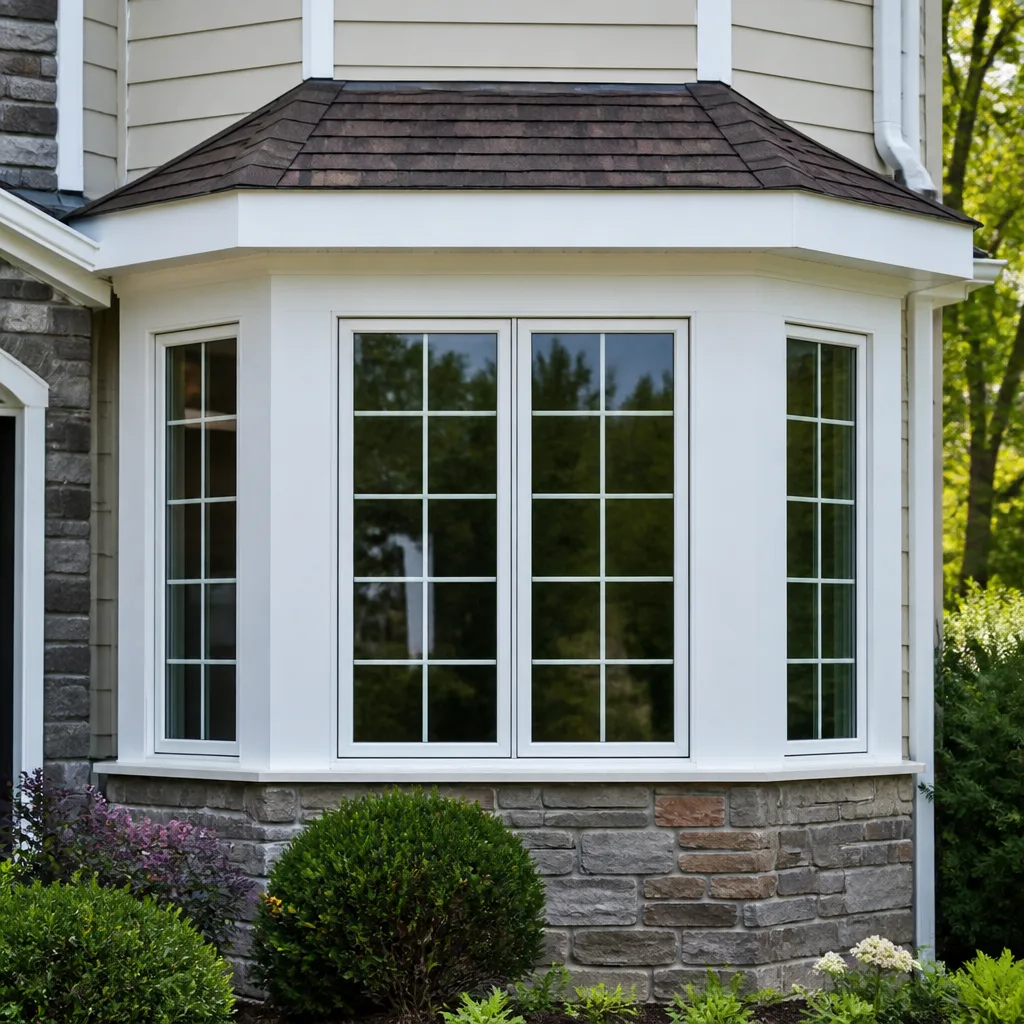
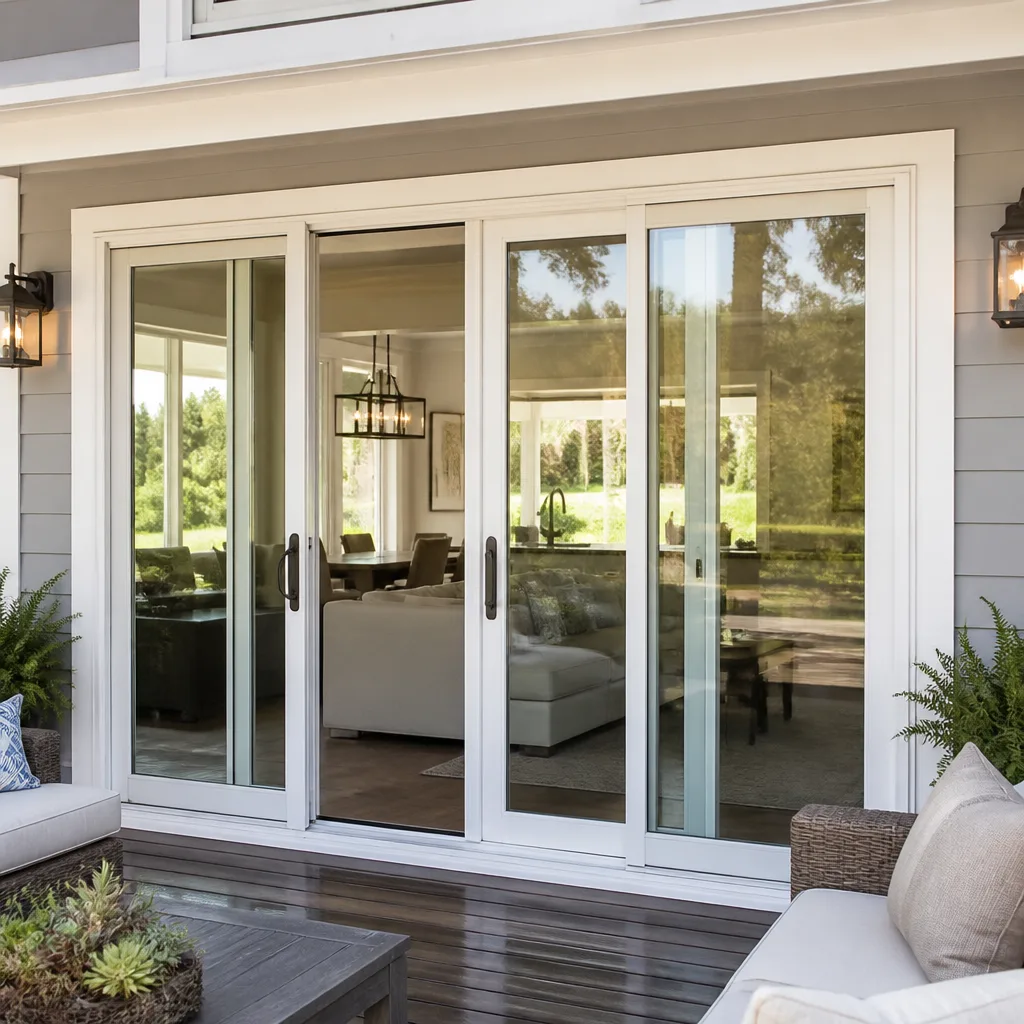
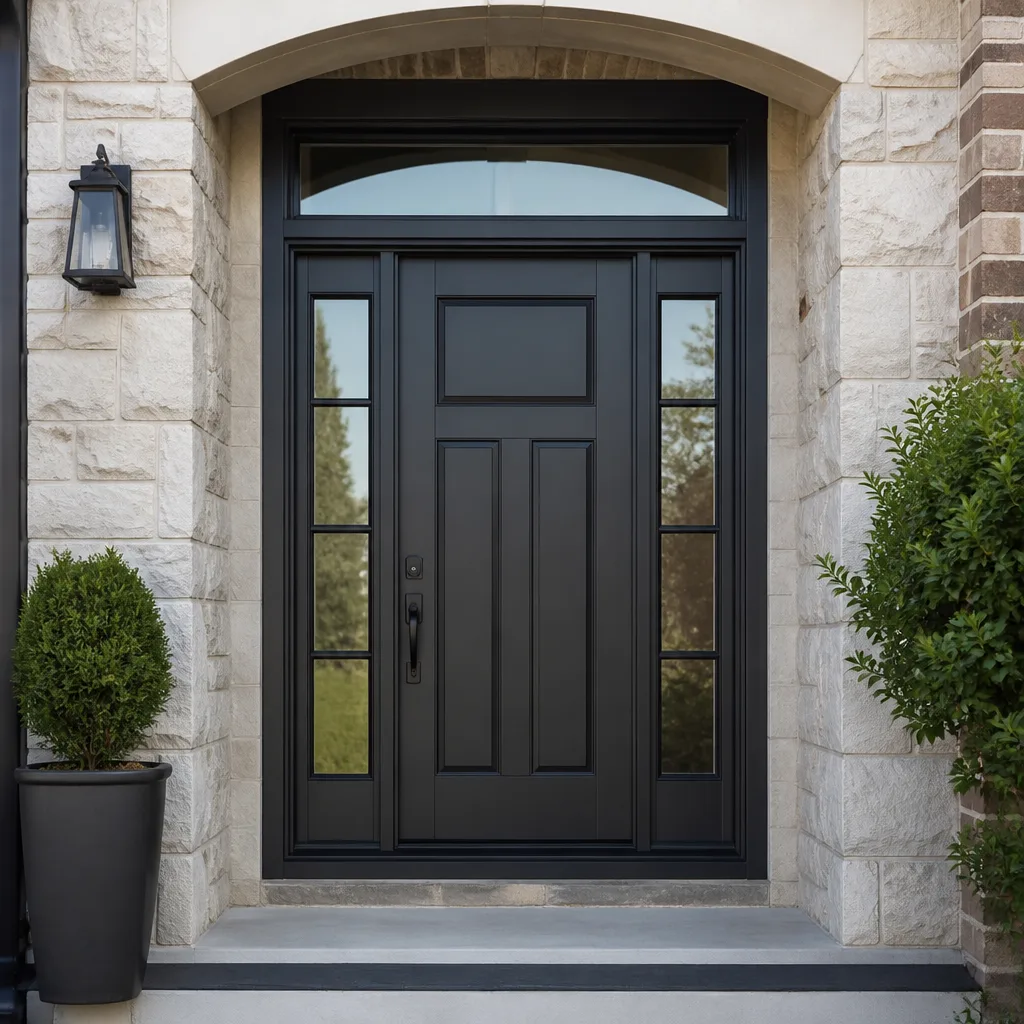
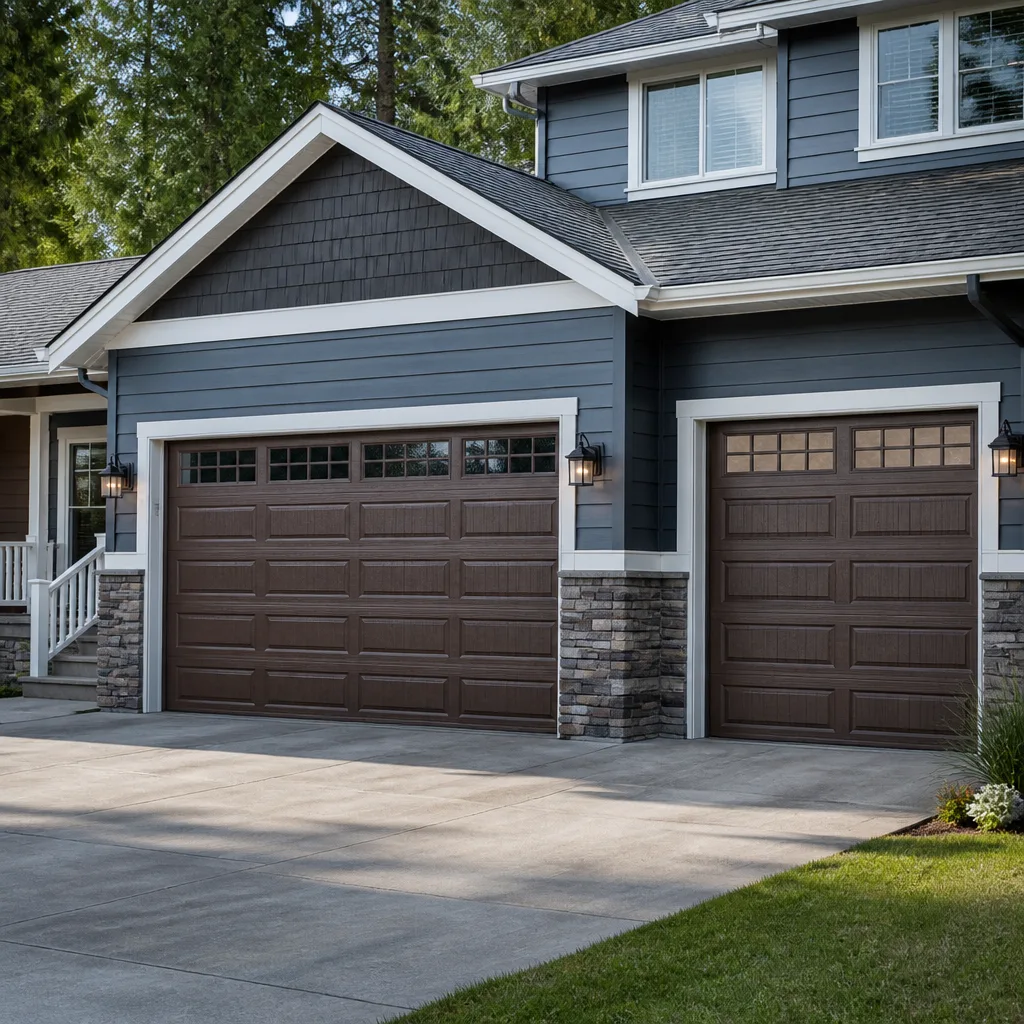
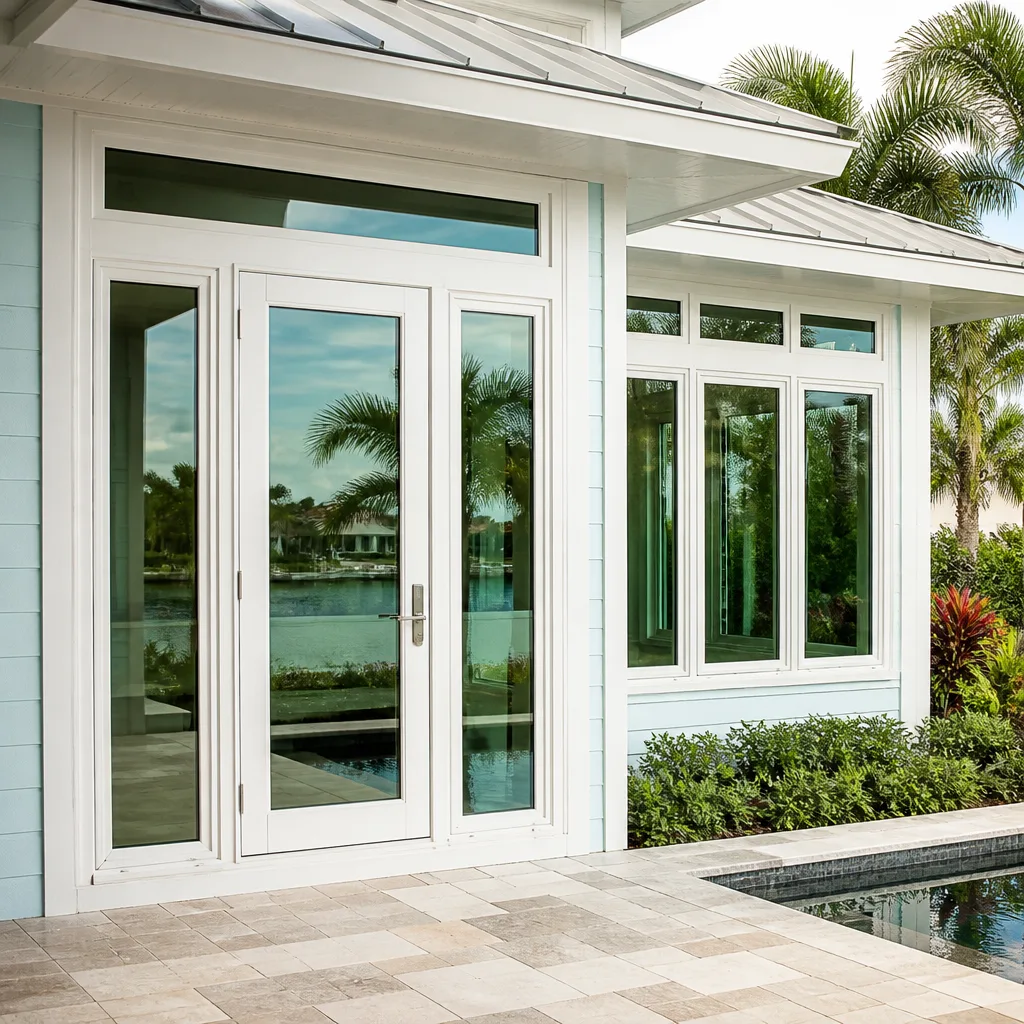
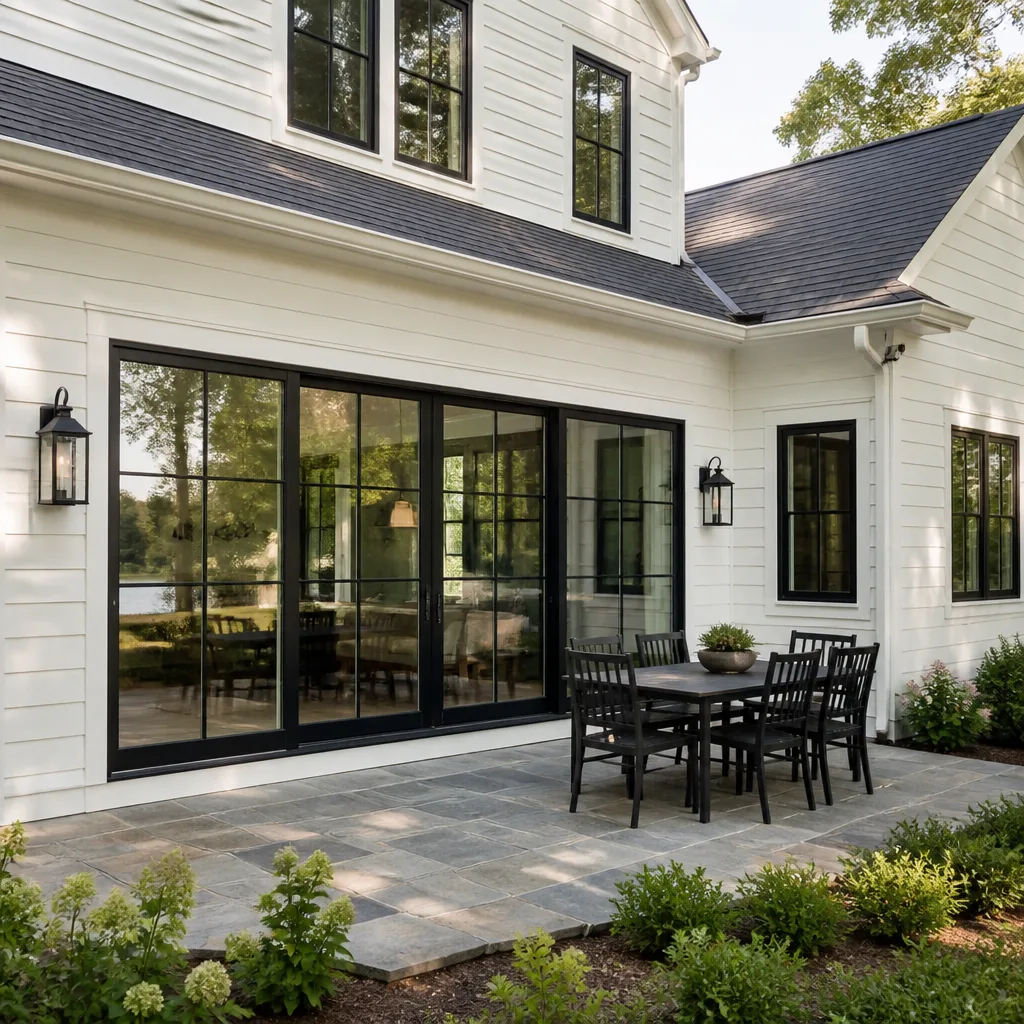
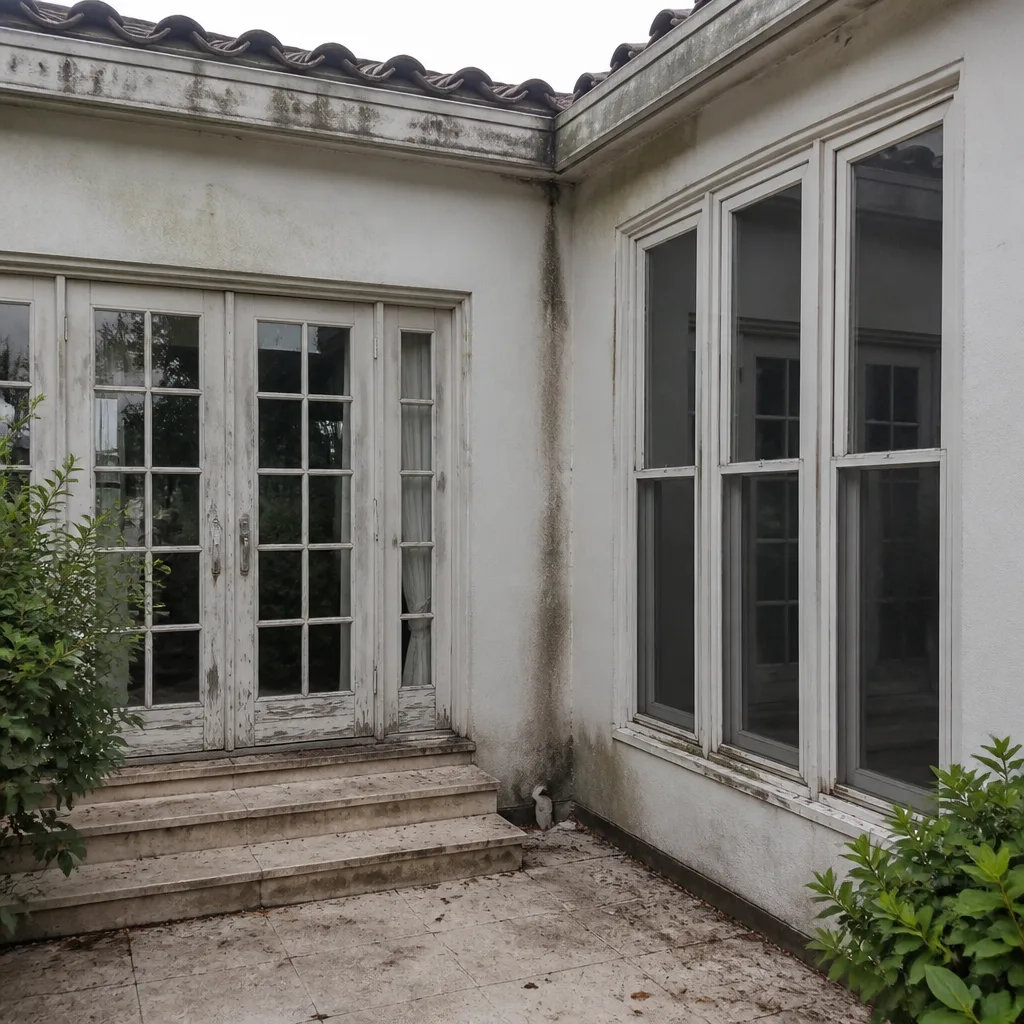 Before
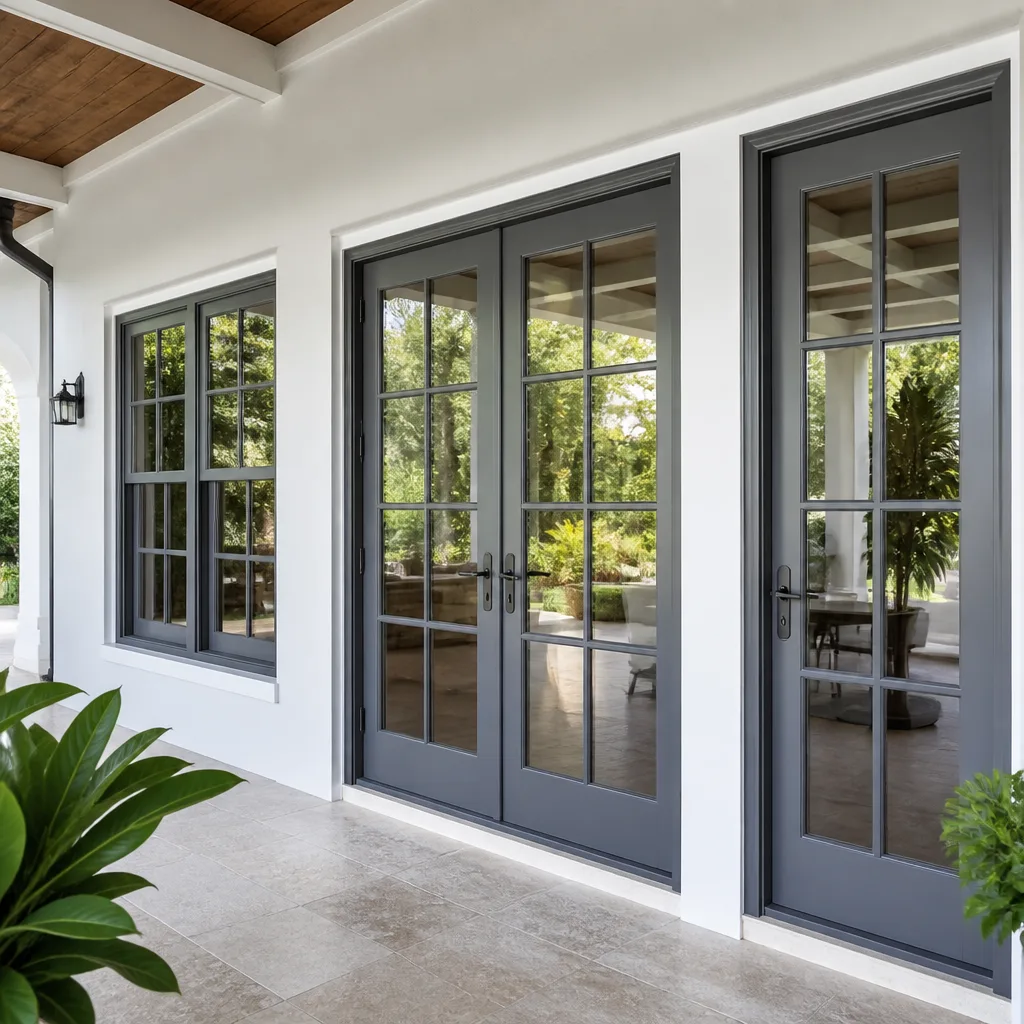 After
After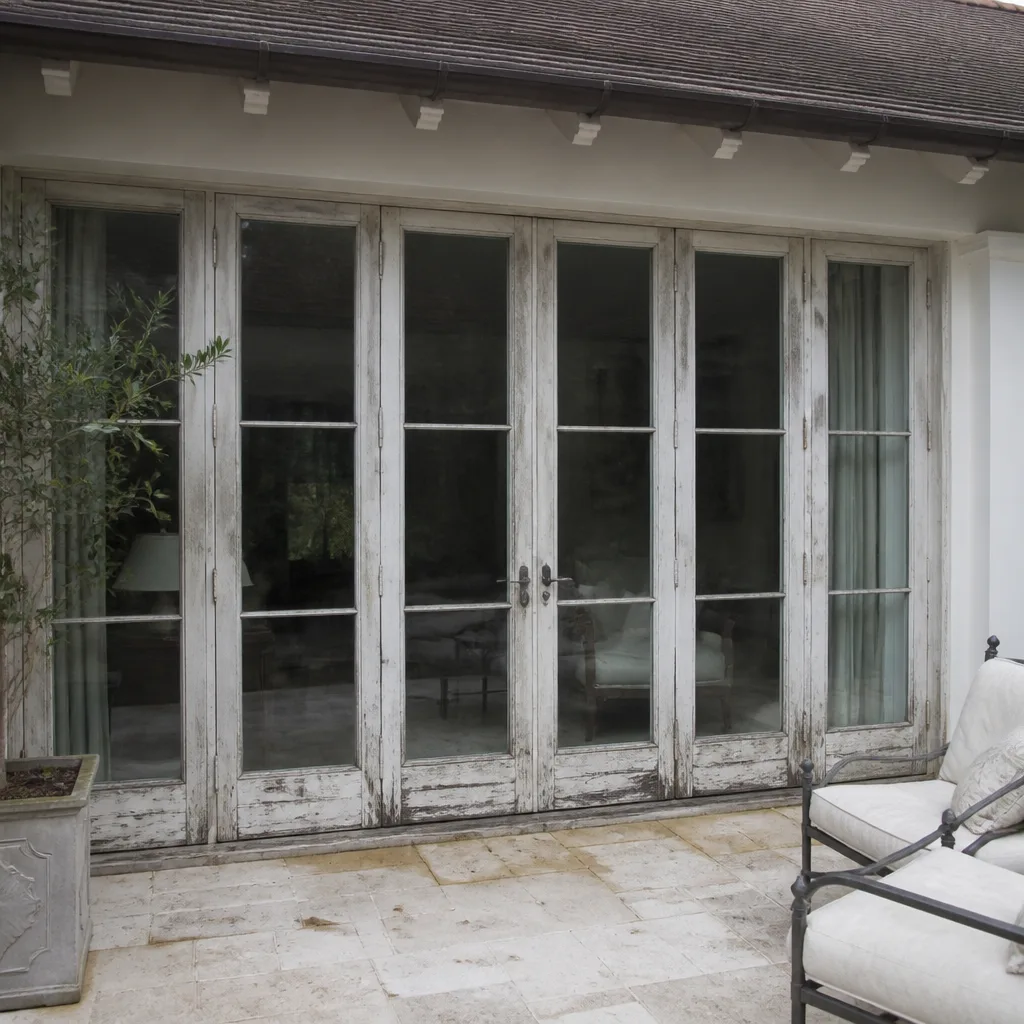 Before
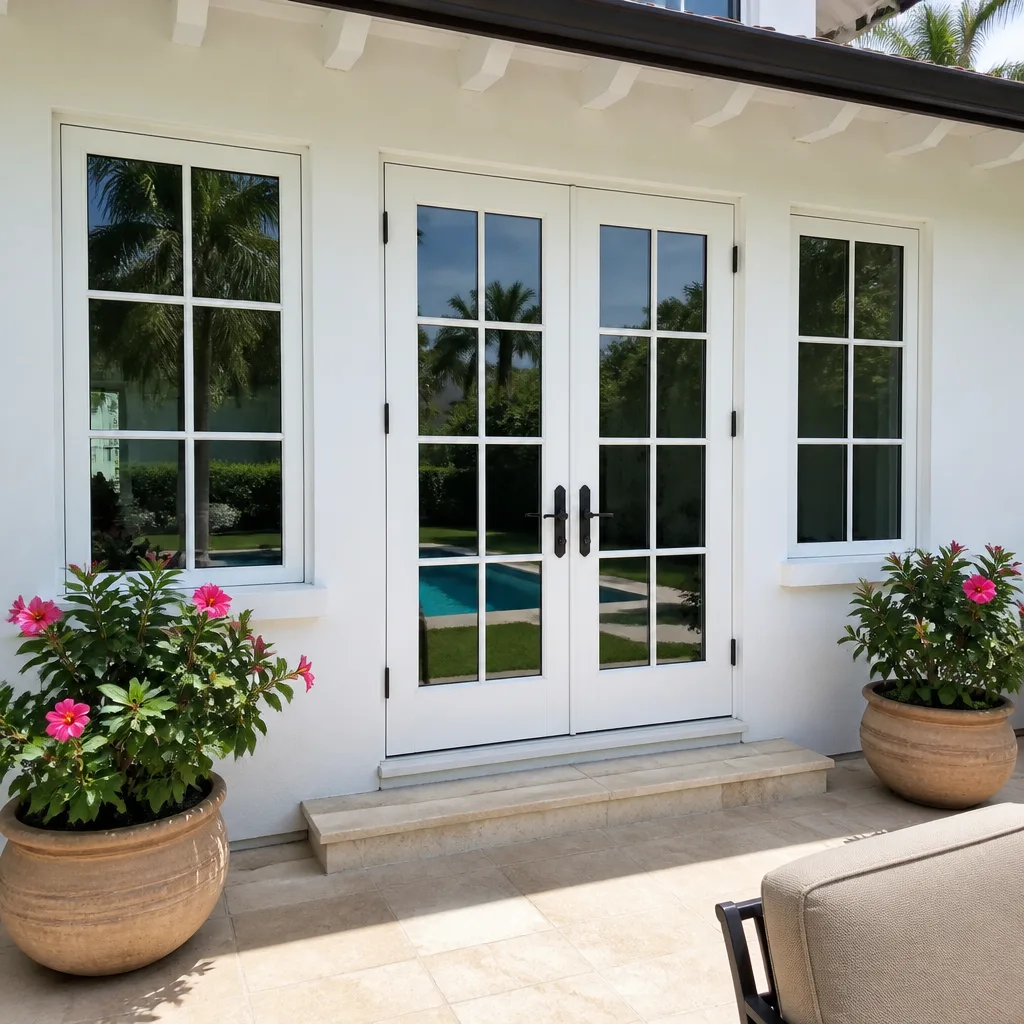 After
After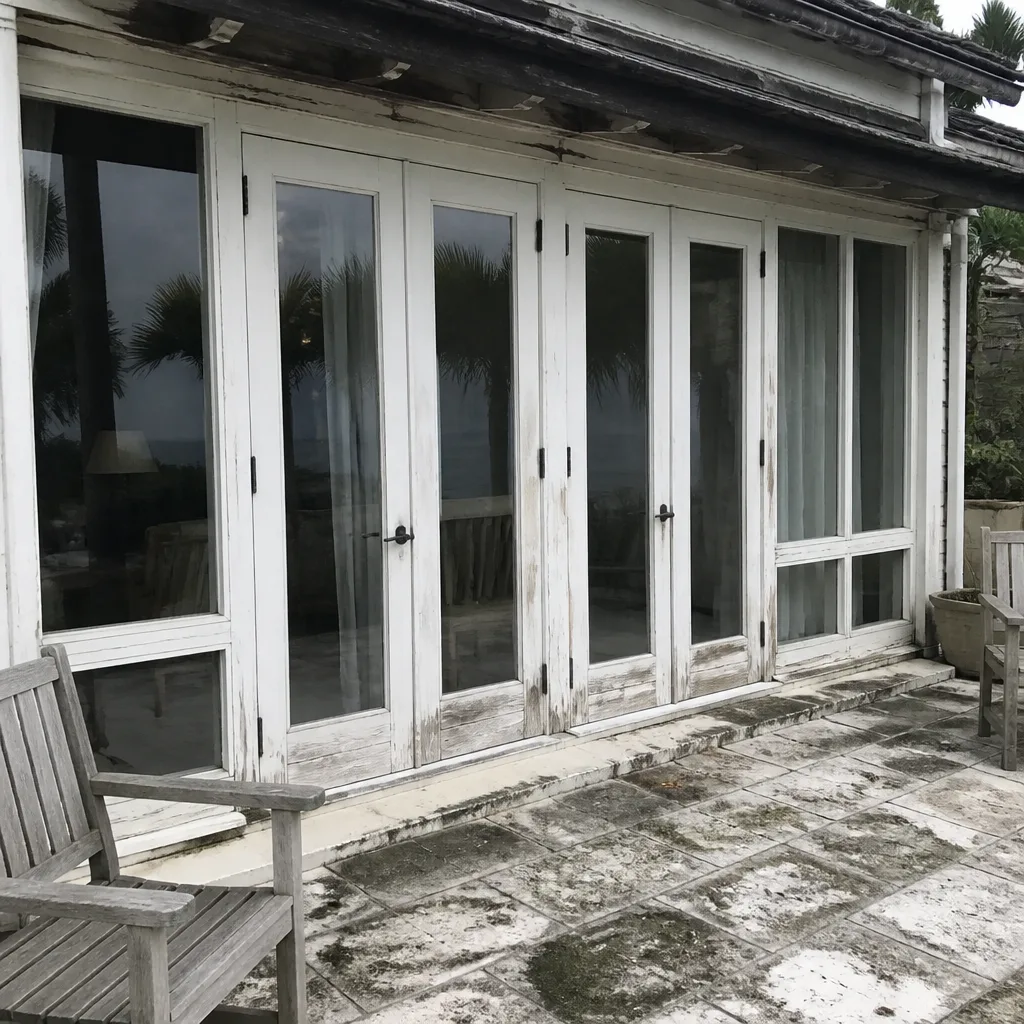 Before
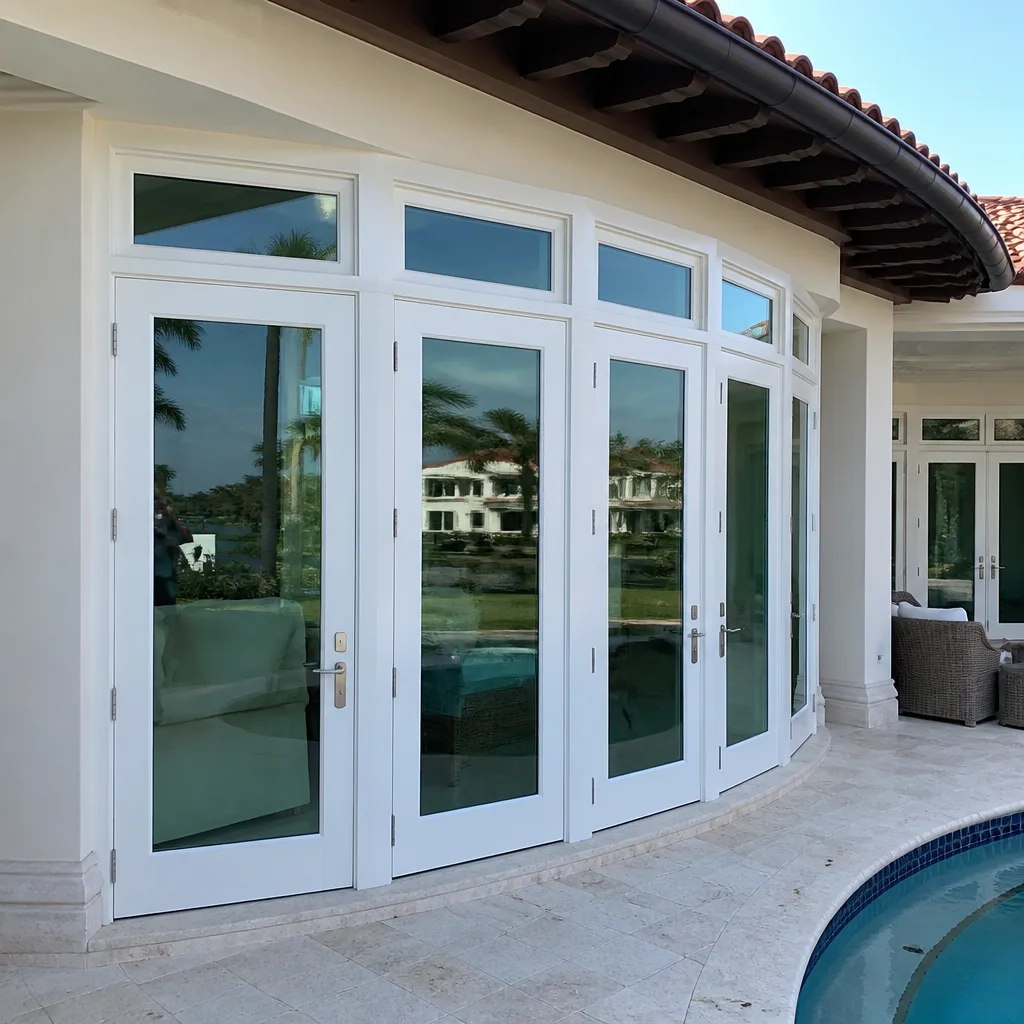 After
AfterDIY vs Professional Windows & Doors: The Palm Beach Homeowner’s Decision Guide
Somewhere in suburban Dallas, a homeowner is happily posting a video of themselves installing a replacement window they bought from a big-box store. The comments are full of praise. The project looks clean. And absolutely none of it applies to you. That video was not filmed in Palm Beach County, where the Florida Building Code’s High-Velocity Hurricane Zone (HVHZ) provisions govern every opening in your exterior walls. In our climate, that same installation performed without a licensed contractor and a pulled permit can be ordered removed by a code inspector at the homeowner’s expense, even if it was done perfectly. This guide explains what you may legally do yourself, what the insurance implications are, and where the line sits between a Saturday project and a code violation in Palm Beach.
Quick Answer
In Palm Beach, installing or replacing impact windows, exterior doors, and sliding glass doors is not a legal DIY project. The Florida Building Code’s High-Velocity Hurricane Zone provisions require licensed contractors, specific product approvals, and a permit process for any exterior opening work. What homeowners can legally handle themselves is limited to interior trim, weatherstripping replacement, and hardware lubrication. Anything involving a window flange, an exterior seal, or a structural opening needs a professional, and choosing the DIY route can void product warranties, fail insurance inspections, and create a legal liability at resale. Call (561) 831-7863 for a free estimate if you are unsure where your project falls.
Table of Contents
- Why Palm Beach Is Different From the Rest of the Country
- What the Florida Building Code Actually Says
- The Truth About Owner-Builder Permits in Palm Beach County
- How a DIY Install Affects Your Product Warranty
- Three Legitimate DIY Tasks (and Where That Jurisdiction Ends)
- The Real Cost of a Failed DIY Permit Inspection
- Common Mistakes to Avoid
- When to Call a Professional
- Frequently Asked Questions
- The Bottom Line
Why Palm Beach Is Different From the Rest of the Country
Every conversation about DIY window and door work in Palm Beach has to start with the wind. The county sits inside Florida’s High-Velocity Hurricane Zone, a designation created after Hurricane Andrew exposed how badly homes were failing in real storm conditions. The HVHZ includes Miami-Dade and Broward counties, along with coastal Palm Beach County. Within that zone, the Florida Building Code imposes stricter structural testing, specialized anchoring requirements, and product approval standards that do not exist for homeowners in Georgia or Texas. A window that works fine in a house outside Atlanta can fail within minutes during a Category 3 storm moving across our barrier islands toward West Palm Beach and Jupiter.
That wind reality drives everything else. It drives why you need a permit. It drives why product approvals list exact installation methods. It drives why insurance companies request documentation after a window replacement and why home inspectors look specifically at fastener patterns during a resale inspection. Palm Beach is not a place where you can skip code because it is convenient. The code exists because storms here are not hypothetical. They are scheduled, seasonal, and genuinely lethal when assemblies fail. For more on protecting your home year-round, see our Seasonal Windows & Doors Care for Palm Beach: Year-Round Homeowner’s Guide.
The Barrier Island Factor
If you live on Palm Beach island, in neighborhoods like Phipps Estates or along North Ocean Boulevard, you face additional wind exposure classifications that can be higher than mainland locations. Homes closer to the coast are subject to larger design pressure ratings. That means the window you buy matters, but so does the anchoring system specified for your exact exposure category. A homeowner watching a tutorial filmed in an inland neighborhood may not know they need a higher DP rating or different fastener spacing for their waterfront home. Licensed installers working Palm Beach jobs daily know how to read the exposure maps and specify accordingly.
What the Florida Building Code Actually Says
Here is the plain-language version, because the statute itself is hundreds of pages. The Florida Building Code explicitly requires permits for the replacement of windows, exterior doors, and sliding glass assemblies. It does not offer a homeowner exemption for this type of work. The code sections governing the HVHZ require that installations be performed following the manufacturer’s product approval documents, which are engineering documents that specify anchor types, spacing, embedment depth, and fastening sequence. Those documents presuppose a licensed contractor performing the work. A homeowner cannot certify their own work as compliant, and no building official can accept a certification that was not performed by a licensed party.
What this means practically is simple. If you pull a permit as a homeowner, you will still be required to meet every inspection requirement. The inspector will verify the anchoring. The inspector will verify the product approval matches the installed window. If something fails, you will be responsible for the correction. And unlike a contractor, who carries liability insurance and a license bond, you personally carry the full financial risk of a failed outcome.
What the Code Does Not Care About
The code does not care that you are handy. It does not care that you watched every PGT installation video on YouTube. It does not care that your neighbor, who is also unlicensed, helped his cousin do a window in Fort Lauderdale. The code regulates outcomes, and the only legally recognized mechanism for a compliant outcome in Palm Beach is a licensed contractor with a permit, or a homeowner acting as an owner-builder with full personal liability, which we will cover next. We have seen homeowners with excellent carpentry skills fail inspections because they anchored into stucco through a decorative band that was not structural. That is not a skill problem. It is a documentation problem.
The Truth About Owner-Builder Permits in Palm Beach County
Florida allows something called an owner-builder permit, which lets a homeowner act as their own contractor for certain types of work on property they own and occupy. Some homeowners in Palm Beach assume this creates a legal path to installing their own impact windows. In the strictest sense, it can, but the practical conditions make it a bad idea for almost everyone. Here is what the process actually looks like.
- You must sign an owner-builder disclosure affidavit acknowledging that you are personally liable for the work, including all code compliance, all worker injuries, and all future structural failures.
- You must provide the same product approvals a licensed contractor would, including the exact window model, DP rating, and anchoring method specified for your structure type and wind exposure.
- You must pass the same inspections. Failing mid-inspection means ordering remedial work at your own cost, then paying a re-inspection fee.
- You must live in the home. Owner-builder permits are not valid on rental properties or homes you intend to sell immediately.
- You cannot hire unlicensed individuals to help you. Anyone you bring on to perform regulated work must themselves be licensed. Otherwise, you are operating as an unlicensed contractor by proxy.
The insurance and resale consequences are where this becomes truly risky for Palm Beach homeowners. When you sell a home in Palm Beach County, the standard sale contract requires the seller to disclose any work performed without a licensed contractor. Buyer’s inspectors are trained to look for non-compliant window installations. If one is discovered, the buyer can demand repair, escrow holdbacks, or price reductions. And if your homeowner’s insurance carrier learns that impact windows were installed by an unlicensed individual, they may decline to renew your policy. In the worst cases we have seen, homeowners who used owner-builder permits for impact windows ended up paying a licensed contractor to remove and reinstall the work anyway. The savings evaporated completely.
Before you commit to an owner-builder route for window or door work, review what a professional Impact Windows installation in Palm Beach actually involves. The comparison may change your mind.
How a DIY Install Affects Your Product Warranty
Every major impact window and door manufacturer, including PGT, CGI, Therma-Tru, and Mr-Glass, writes installation requirements directly into their warranty documents. This is not a hidden clause. The warranty coverage is conditioned on the product being installed by a licensed professional, following the manufacturer’s published installation instructions, and in accordance with all applicable building codes. A homeowner who installs the product themselves has, in the manufacturer’s view, performed an unverified installation. If the product later fails, whether due to seal adhesion, glass delamination, or frame distortion, the manufacturer is within their rights to deny the claim.
Consider a specific scenario based on what we see in Palm Beach. A homeowner installs a set of PGT impact windows themselves. Two years later, a hurricane passes close to shore. One window develops an interior leak at a corner. The homeowner files a warranty claim. PGT’s claims process asks for the installation date, the installing contractor’s name, and the permit number. When the homeowner cannot produce a contractor or a permit, the claim is denied, and the homeowner eats the replacement cost. This is not hypothetical. We have spoken to Palm Beach homeowners who learned this the hard way.
What CGI and Therma-Tru Require
CGI documents are particularly explicit. Their warranty states that coverage applies only to products installed by licensed, insured contractors. CGI’s testing data supports their product only when the anchoring method matches the approval document. A DIY install that substitutes a different anchor, even a larger one, can change the structural behavior of the assembly under wind load. Therma-Tru’s door documentation carries similar language, requiring licensed installation for exterior doors in HVHZ jurisdictions. A Therma-Tru fiberglass entry door installed by a homeowner in Palm Beach has essentially no warranty protection.
If you want to understand the standard process a professional follows, review how professional Window Installation in Palm Beach is documented, permitted, and verified. It shows you exactly what the manufacturer expects to see when a claim is filed.
Three Legitimate DIY Tasks (and Where That Jurisdiction Ends)
Not everything is off-limits. There are tasks around windows and doors that any Palm Beach homeowner may legally and safely perform without a permit or a license. Here are the three that matter most, along with the boundary where you should stop.
- Weatherstripping replacement. Removing old, deteriorated weatherstripping from a window sash or door frame and installing new material is maintenance, not construction. You can buy replacement weatherstripping at a local hardware store and install it in an afternoon. This does not require a permit, and it can make a measurable difference in your air conditioning costs during a Palm Beach summer. Stop at the point where weatherstripping touches the anchoring system. You are not modifying the frame, the flange, or the seal to the rough opening.
- Hardware lubrication and adjustment. Applying a manufacturer-approved lubricant to window tracks, hinges, and door hardware is normal maintenance. If a sliding glass door is sticking, you may clean the track and apply lubricant. If the hardware itself needs replacement, you are still fine buying the identical hardware from the manufacturer and installing it. You are not modifying the door’s structural function. Stop when the hardware issue involves the sill, the frame, or the anchoring screws into the substrate.
- Interior trim work. Replacing interior casing, trim, or baseboards around a window or door is finish carpentry, not structural work. You may remove and replace interior trim without a permit. This is a popular project in Palm Beach homes where owner-builders want to update a room’s look. Stop when the trim work intersects the exterior envelope. The exterior casing, the window flange, and any flashing are part of the water and air barrier system, and those are regulated.
Where the Line Is Drawn
The easiest way to think about jurisdiction is this: if your work touches the rough opening, the exterior surface, or the structural anchoring of a window or door, you are no longer in maintenance territory. You are in code territory. Caulking the interior seam is fine. Caulking the exterior perimeter as a substitute for proper flashing is not. Touching up paint is fine. Replacing a sill because there is rot behind it, revealing the rough opening, that is a stop-and-call-a-licensed-contractor moment. In our experience across Palm Beach, the homeowners who get into trouble are the ones who started with a small task, discovered a larger issue, and pressed forward because they felt committed. That is the moment to stop and make the call.
The Real Cost of a Failed DIY Permit Inspection
A failed inspection is not a slap on the wrist. It carries real, itemized costs that stack quickly. Here is what we have seen on Palm Beach jobs where a homeowner attempted a permit pull and failed, then came to us to correct the situation.
- Re-inspection fees. Palm Beach County charges a fee for each re-inspection. One failure and one correction cycle might cost a few hundred dollars. Three failures, which is not unusual for an inexperienced installer, begins to feel punitive.
- Correction labor and materials. When an inspector flags non-compliant anchoring, the fix usually involves removing the window or door, repairing the rough opening, and reinstalling with the correct anchors and sealants. A homeowner who installed a $900 window themselves might now pay $1,200 in correction labor, having still not gotten it certified.
- Removal orders. In the worst cases, a code official can order the assembly removed if it fails to meet the product approval in a way that cannot be remediated in place. That means demolition of the DIY work, disposal, and a full professional replacement.
- Timeline impact. A pending home sale in Palm Beach with an open permit and a failed inspection stalls everything. Buyers will not close. Lenders will not fund. Sellers often end up accepting a reduced price or paying for remediation out of escrow. We have watched a single failed window inspection add six weeks to a closing.
When you compare the cost of a professional installation against a DIY route that goes wrong, the math nearly always favors the professional. Professional Window Replacement in Palm Beach carries a permit number, an inspection record, and a contractor’s accountability. A DIY attempt carries your personal signature on a document that says you accept all liability. That is a heavier document than most homeowners realize until it is already signed.
Common Mistakes to Avoid
- Assuming Florida building code is a suggestion. It is enforced in Palm Beach, and code officials have the authority to stop work, order removal, and issue fines. We have seen homeowners shocked that an inspector actually showed up. They always show up.
- Watching tutorials from non-HVHZ states. A replacement window install in North Carolina looks nothing like one in coastal Palm Beach County. The anchors, sealants, and flashing details are entirely different.
- Buying windows online without verifying a Florida Product Approval. If the product does not have a valid FL number, it cannot pass a Palm Beach inspection, period. You now own an expensive, unpermittable window.
- Using an unlicensed handyman to save money. If they get hurt on your property, you may be liable. If the work fails, you have no recourse beyond small claims court. Either way, the savings are gone.
- Pulling a permit on a home you plan to sell. Sellers are required to disclose owner-builder work, and buyers in Palm Beach are increasingly represented by inspectors who know exactly what to look for.
- Skipping the product approval documentation. Every legitimate impact window carries documents specifying exactly how it must be anchored. Ignoring those documents is the single fastest route to a failed inspection.
- Caulking over structural problems. Caulk is not a structural material. Sealing the exterior of a poorly anchored window hides the problem from your eye but not from an inspector, an adjuster, or a hurricane.
When to Call a Professional
Call a licensed contractor any time your project involves removing a window or exterior door, exposing a rough opening, modifying an exterior wall, installing or replacing impact-rated glass, or touching the anchoring system of any existing fixture. Also call if you discover rot, termite damage, or water intrusion around a window or door frame. Those conditions require an assessment of the structural opening, not just the visible trim. If a home inspector has flagged your windows or doors for any reason, call before you list or buy. Winslow Windows & Doors offers free estimates throughout Palm Beach, and we are happy to walk your property, explain what the code requires, and put honest numbers down in writing. Reach Ed at (561) 831-7863.
Frequently Asked Questions
You cannot legally replace windows or exterior doors in Palm Beach without either a licensed contractor or an owner-builder permit, and an owner-builder permit carries full personal liability for code compliance, worker safety, and future structural performance. In practice, this is not work the building department expects homeowners to perform themselves. For a permitted, inspected installation, call (561) 831-7863 for a free quote, and Ed will explain exactly what your home requires.
Impact window installation in Palm Beach typically runs between $900 and $2,800 per window, depending on size, product choice, wind exposure, and whether structural retrofitting is needed. Basic single-hung replacements sit at the lower end, while large picture windows or specialized geometries on beachfront properties cost more. An exact price requires a site visit, which is why we offer free written estimates with no trip charge inside our home county – call (561) 831-7863 to set one up.
No. Our estimates are line-item specific and we do not issue change orders unless you request a different product or we uncover concealed structural damage that must be addressed to pass inspection. If that happens, we show you the damage, photograph it, and get your approval in writing before any additional work begins. Call (561) 831-7863 and we will put the full scope in writing before you commit.
Yes, we pull permits for every installation in Palm Beach, and we handle the inspection scheduling and passing. This includes all building department paperwork, product approval documentation, and scheduling re-inspections if a first pass is ever required. Our standing commitment to permit compliance is unconditional – call (561) 831-7863 for an estimate that includes full permitting.
Most single-family window replacements in Palm Beach are completed in one to three days, depending on the number of openings and site conditions, with inspections typically scheduled within the following week. Larger whole-home projects, or homes with extensive stucco remediation, take longer. The one part we can never rush is the permit process, which runs on the building department’s schedule. For an honest timeline on your specific home, call (561) 831-7863.
Possibly yes. Insurance carriers in Palm Beach have stepped up underwriting scrutiny on properties with impact windows, specifically requesting installation documentation, permit numbers, and contractor licensing at renewal. If you cannot produce those documents for a DIY install, your carrier may deny the wind mitigation credit or decline to renew. Get it permitted and done by a licensed contractor to keep your policy and your discount intact – call (561) 831-7863.
The Bottom Line
Palm Beach is not the place to test your DIY window installation skills. The code says no. The warranty documents say no. The insurance carriers say no. The one thing you can do is the small stuff: weatherstripping, lubrication, interior trim. Everything involving the structural opening belongs to a licensed professional who carries the liability, the product approvals, and the inspection record. The one down the road has been doing this in Palm Beach since 2011. For more guides & resources, visit our blog, or call (561) 831-7863 for a free estimate, and you will get Ed on the line – not a call center, not a ticket number.
Written by Ed Winslow, Owner at Winslow Windows & Doors, serving Palm Beach since 2011.
Six Reasons Homeowners Choose Winslow Windows & Doors
Impact systems engineered to design pressures up to +/-100, matched to your wind zone - your openings hold when the storm arrives.
Low-E insulated impact glass from our manufacturer lines commonly cuts monthly cooling bills 20-30%.
Laminated impact glass shuts out up to 40% of outside noise - traffic, neighbors, weather.
Monitoring services run $30-90 a month. Laminated impact glass resists forced entry around the clock, with no subscription.
Florida homeowners average around 25% savings on the windstorm portion of their policy after protecting every opening - some homes qualify for more.
A full impact package upgrades curb appeal, buyer confidence and appraised value in one project.